Weather in France Throughout the Year
Weather in France is not one climate. The Atlantic west can be damp and mild, the east can feel more continental, the south can be hot and dry in summer, mountain areas have real winters, and old housing can make ordinary weather feel much more uncomfortable than the forecast suggests.
Choosing where to live in France is partly a weather decision. The climate affects heating bills, damp, mould, summer sleep, mobility, social routines, transport, healthcare access, house maintenance and whether the place still works in January, July and November — not just during a pleasant viewing trip.
France has several climate realities, not one
France is large enough that the weather changes dramatically by region. A person moving from Brittany to Provence may feel as if they changed countries. Normandy, the Atlantic coast, Paris, Alsace, Burgundy, the Alps, the Pyrenees and the Mediterranean all create different daily-life problems.
The practical mistake is choosing a region from holiday memories. A sunny week in May tells you little about winter damp, summer heat, autumn storms, mistral winds, mountain snow, tourist-season humidity or whether an old stone house is comfortable without expensive heating.
Milder temperatures, more damp days, wind and regular rainfall.
Cooler winters, grey periods, moderate summers and practical urban convenience.
Bigger seasonal contrast, colder winters and hotter summer spells.
More sunshine, dry summers, heat risk, strong winds and autumn rain episodes.
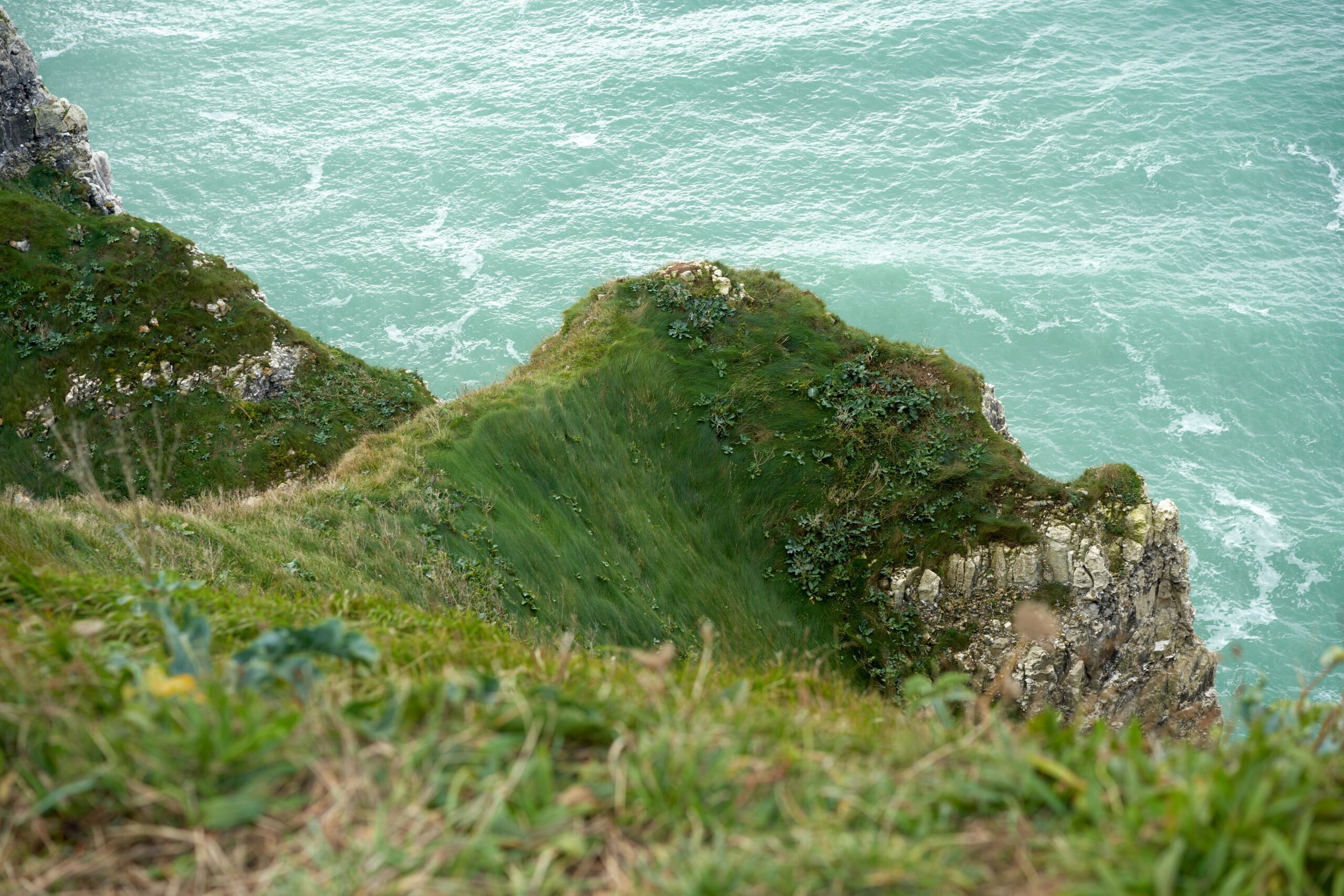
Winter: often less about snow, more about damp and heating
Many foreigners underestimate winter in France because they look only at temperature. In much of western, northern and central France, winter discomfort is often about damp, grey skies, weak insulation, old windows, stone walls and heating costs rather than extreme cold.
A house that feels charming in September may feel raw in February. Thick stone walls can stay cold. Tile floors can feel icy. Older homes may have electric radiators, inefficient heating, draughts or poor ventilation. Damp can affect clothes, bedding, cupboards, books and health.
For utility and heating planning, read Electricity and Utility Bills in France Explained and Apartment vs House in France for Retirement.
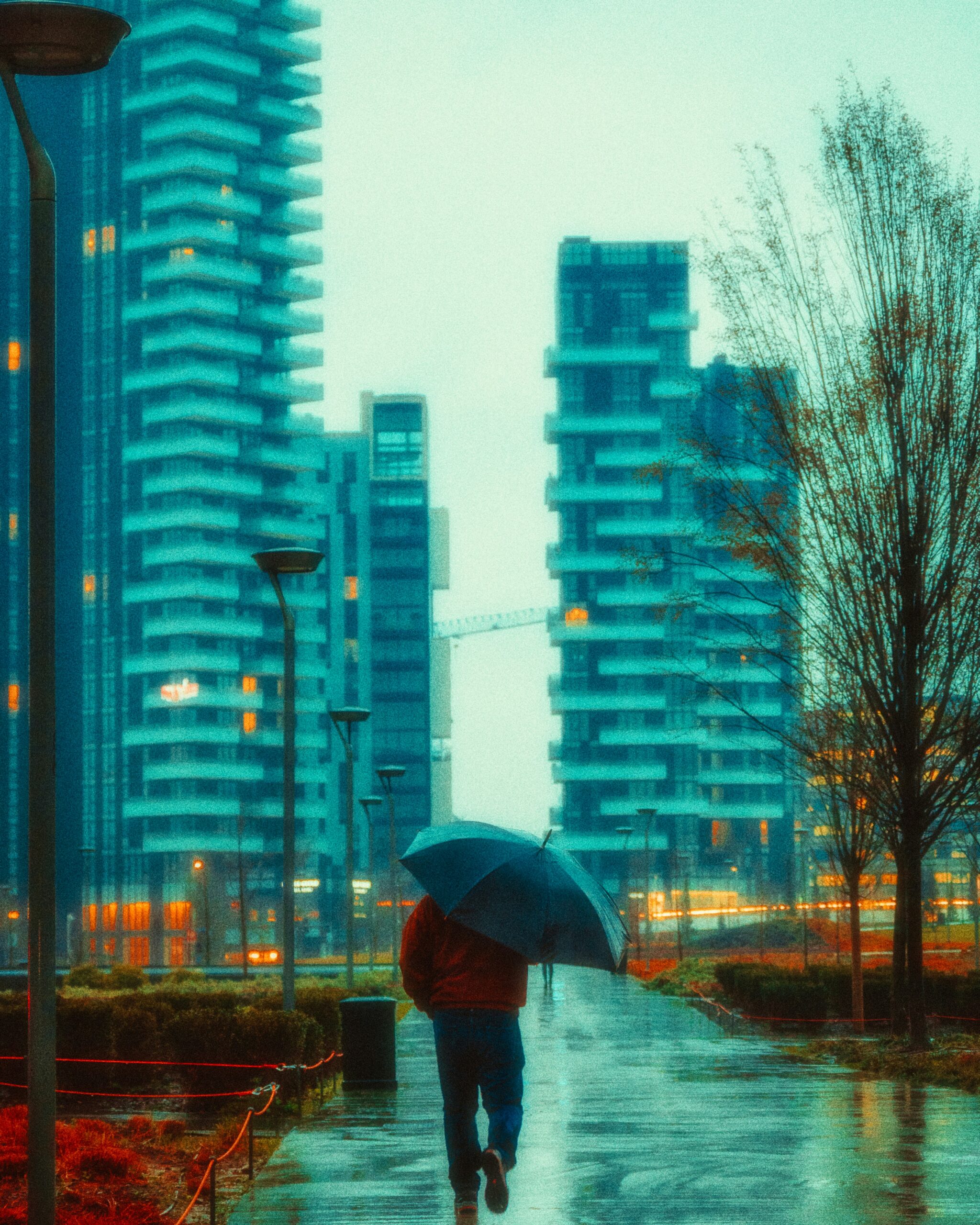
Spring: pleasant, but unstable
Spring can be one of the best seasons in France. Markets return, cafés fill up, walking becomes easier and many towns feel alive again after winter. But spring can also be unstable: rain, wind, cold mornings, sudden warm afternoons and delayed home repairs after winter problems.
For people moving house, spring is a useful testing season. You can see how the home handles rain, whether the heating still matters in the evening, how walkable the town feels and whether the garden, terrace or balcony is actually usable.
You can inspect damp, drainage, ventilation and light after winter.
A sunny spring week does not show July heat or August tourism.
Roof, shutter, heating and garden issues often appear after winter.
Cafés, markets and associations often become easier to join again.
Summer: heat can be the real problem
Summer in France is not only about sunshine. Heat has become a serious livability factor, especially in cities, inland towns, the Rhône corridor, Provence, Occitanie and poorly ventilated housing. Older apartments may have no air conditioning. Top-floor units can become difficult to sleep in. Stone homes can stay cool for a while, then hold heat during long hot spells.
Heat affects daily routines. Shopping moves earlier. Walking becomes harder. Medical appointments may feel more tiring. Public transport can be uncomfortable. Sleep can suffer. If you have heart, lung, mobility or medication issues, summer heat should be treated as a health and housing question, not a lifestyle detail.
| Summer issue | Why it matters | What to check |
|---|---|---|
| Night heat | Poor sleep makes daily life and health management harder. | Cross-ventilation, shutters, bedroom exposure and top-floor risk. |
| Old buildings | Some stay cool, others trap heat after several hot days. | Insulation, roof exposure, window direction and ventilation. |
| Urban heat | Dense streets, stone, asphalt and limited trees increase discomfort. | Shade, parks, river access, nearby cool public spaces. |
| Medical risk | Heat can worsen fatigue, dehydration and chronic conditions. | Doctor access, pharmacy proximity and emergency planning. |
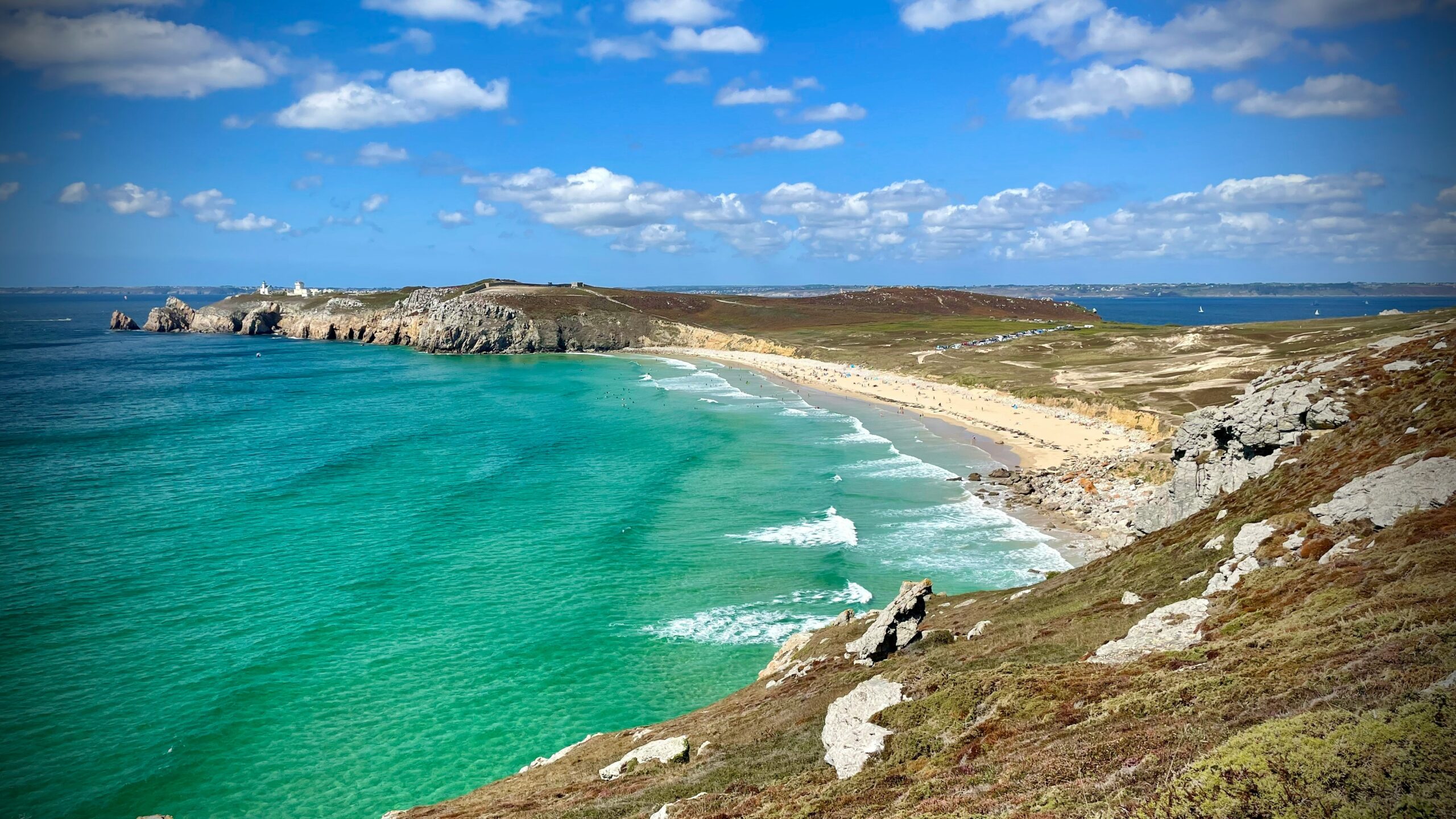
Autumn: storms, heavy rain and maintenance reality
Autumn is when many housing weaknesses show themselves. Gutters overflow, roofs leak, damp returns, terraces become slippery, old shutters swell, drains smell, gardens become heavy to maintain and coastal or mountain areas may experience more difficult weather.
In the Mediterranean south, autumn rain can be intense even after dry summers. In Atlantic regions, wind and repeated wet days can affect mood and maintenance. In rural areas, fallen leaves, drainage, access roads and storm preparation matter more than people expect.
For housing maintenance context, read Buying Property in France for Retirement – What Expats Get Wrong and Hidden Costs of Owning Property in France.

Regional weather tradeoffs
There is no perfect French climate. Every region has a tradeoff. The south may offer more sunshine but stronger heat and seasonal tourism. The west may be green and mild but damp. The east may offer structure and seasons but colder winters. Mountain areas offer beauty but snow, isolation and access issues.
| Region type | Advantages | Tradeoffs |
|---|---|---|
| Atlantic west | Milder winters, greenery, less extreme summer heat. | Damp, wind, grey days and possible mould issues in older homes. |
| North and Normandy | Cooler summers, attractive towns, often good access to services. | Cloud, rain, wind and less winter brightness. |
| Paris basin and central areas | Transport links, moderate climate, access to services. | Grey winters, heatwaves, urban heat and housing variation. |
| East and Alsace/Burgundy | Clearer seasons, attractive towns, strong local identity. | Colder winters and hotter inland summers. |
| Mediterranean south | Sunshine, outdoor life, mild winters in many places. | Summer heat, drought, autumn rain, tourist pressure and fire risk in some areas. |
| Mountain areas | Cooler summers, scenery, outdoor lifestyle. | Snow, access, winter driving, heating costs and distance from healthcare. |
Weather affects healthcare access
Weather changes how easy healthcare feels. A town that works well in May may feel very different during icy mornings, heatwaves, heavy rain or winter darkness. If you depend on regular appointments, medication, lab tests or specialist care, weather and transport must be considered together.
This becomes more important with age. Driving in heavy rain, walking on slippery pavements, waiting at exposed bus stops or reaching a pharmacy during a hot afternoon can become real daily-life constraints.
For healthcare planning, read Healthcare in France for Retirees, Pharmacies in France for Retirees and Emergency and Urgent Help in France for Retirees.
Weather affects transport more than people expect
Public transport, driving and walkability all change with weather. Rural buses may be limited. Train travel can be disrupted by storms or heat. Mountain and rural roads can become difficult. Walking to shops is pleasant in spring and tiring in rain, heat or icy mornings.
If you plan to live without a car, test the route to the supermarket, pharmacy, doctor, café and train station in bad weather. If you plan to drive, consider winter darkness, fog, heavy rain, mountain roads, parking and whether you will still want to drive every errand in ten years.
For mobility planning, read Public Transportation in France for Retirees, Driving in France as a Retiree and Best Walkable Places to Retire in France.

Weather and cost of living
Weather affects the budget in ways people miss before moving. Heating an old stone house can cost far more than expected. Electric radiators can be expensive. Air conditioning may be absent or limited. Damp can create maintenance costs. Storms can reveal roof, gutter and drainage issues.
The cheapest home is not always cheapest to live in. A larger rural house may cost less to buy than a town apartment, but heating, transport, repairs, damp control, garden work and car dependence can change the monthly reality.
Old homes, poor insulation and electric heating can raise monthly costs.
Fans, shutters, insulation and air conditioning affect comfort and bills.
Ventilation, dehumidifiers and repairs may be part of real housing cost.
Bad weather can increase car dependence in rural or poorly connected areas.
For cost planning, read Cost of Retiring in France and Electricity and Utility Bills in France Explained.
Season-by-season reality checklist
Winter: check heating bills, damp, mould, window quality, bathroom ventilation and whether the home feels cold inside.
Spring: inspect gutters, roof leaks, garden workload, drainage and how the town feels outside tourist season.
Summer: test bedrooms, shutters, ventilation, top-floor heat, shade, medical access and whether you can sleep.
Autumn: watch for storms, slippery access, heavy rain, heating restart, roof problems and transport disruption.
Year-round: compare the climate with healthcare, walkability, transport, social life and real monthly costs.
Common weather mistakes newcomers make
- Choosing from holiday weather. A spring or September visit may hide winter damp and summer heat.
- Ignoring the building. Weather comfort depends heavily on insulation, windows, heating and ventilation.
- Underestimating damp. Mild temperatures can still feel cold when homes are humid.
- Assuming southern France is always easier. Heat, drought, wind, tourism and autumn storms can be serious tradeoffs.
- Buying too much house. Large homes cost more to heat, cool, maintain and protect from damp.
- Testing walkability only in good weather. Rain, heat and wind change daily errands.
- Forgetting healthcare access. Weather makes distance to doctors, pharmacies and hospitals more important.
Best practical approach before choosing a region
The safest approach is to visit the same area in at least two different seasons. If possible, rent before buying. Spend time indoors during bad weather. Ask for real heating bills. Check whether bedrooms overheat. Walk to the pharmacy in rain. Notice whether cafés and markets still operate outside the sunny season.
France can be a very comfortable country to live in, but only when the climate, home, health needs, transport and budget fit together.
Choose the climate that supports daily life
Weather in France is not just scenery. It decides heating comfort, summer sleep, walkability, healthcare access, maintenance and whether a beautiful location remains practical year after year.