Electricity and Utility Bills in France Explained
Utility bills in France are not difficult once everything is working. The difficult part is the first setup: meters, supplier contracts, direct debits, old houses, heating systems, water billing, estimated payments and understanding why a cheap-looking property can become expensive every winter.
Electricity and utility bills in France are part of the relocation infrastructure. They connect to housing, banking, property condition, winter comfort, healthcare needs and daily reliability. A person moving into a modern apartment in a walkable town may have predictable bills and easy direct debits. Someone buying an old stone house with electric heating, poor insulation and a rural water setup may discover that utilities are one of the biggest practical costs of life in France.
What utility bills usually include in France
Utility costs in France are usually split across separate systems. Electricity is normally handled through an electricity supplier. Gas may be separate if the property uses mains gas or bottled gas. Water is usually handled locally through the commune, intercommunal service or a private water operator. Internet and mobile are separate contracts again.
This means there is rarely one neat “utilities package”. Each service has its own contract, billing rhythm, customer portal, moving-out process and paperwork. For newcomers, the first frustration is often not the cost itself. It is working out who supplies what, who owns the meter, whose name the contract is in and whether the previous occupant closed things properly.
Supplier contract, meter number, subscribed power, tariff option and direct debit.
Mains gas, bottled gas or no gas at all depending on the property and area.
Often local, sometimes billed less frequently and easy to forget after moving in.
Separate from energy and often dependent on address eligibility and fibre coverage.
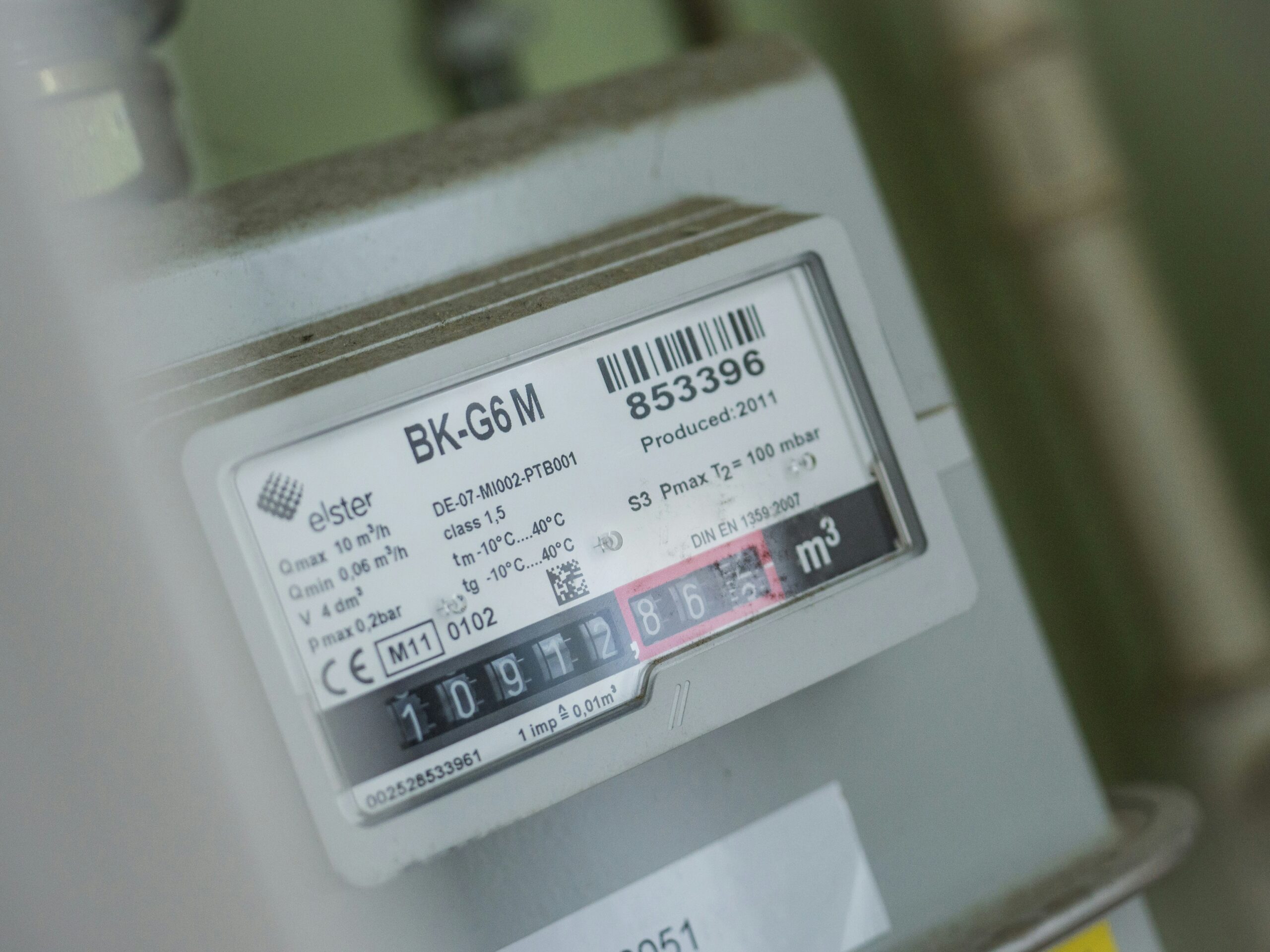
The electricity bill: subscription, consumption and tariff choice
A French electricity bill usually has two important parts: the standing subscription and the price of energy consumed. The subscription depends partly on the power level of the connection. The consumption part depends on how much electricity the household uses and which tariff option applies.
Many households use a simple base tariff. Others use peak and off-peak pricing, where electricity is cheaper during certain hours and more expensive during others. This can make sense if you can shift water heating, laundry, dishwasher use or electric vehicle charging into off-peak periods. It is less useful if most consumption happens during expensive hours or if the household does not understand the schedule.
| Bill element | What it means | Why it matters |
|---|---|---|
| Subscription | The fixed part of the electricity contract. | A property with higher power capacity may cost more before using any electricity. |
| Consumption | The kWh actually used. | Heating, hot water and poor insulation can drive usage quickly. |
| Tariff option | Base, peak/off-peak or other structured pricing. | The wrong option can quietly cost more for your lifestyle. |
| Taxes and contributions | Additional charges included in the final bill. | The kWh price alone is not the full bill. |
Linky meters: useful, but not magic
Many French homes now have a Linky smart meter. This can make meter readings, contract changes and consumption tracking easier. It may reduce the need for in-person meter reading and can help bills reflect actual usage rather than old estimates.
But the meter does not fix poor housing. If a home is badly insulated, heated mainly by inefficient electric radiators or has an old hot water system, Linky will show the problem more clearly — it will not make the property cheaper to run.
Meter information and activation can be easier when the property is already connected.
Consumption is easier to track if you actively check it.
A smart meter does not solve draughts, damp, bad heating or poor insulation.
You still need the correct contract, tariff and payment setup.
Heating is where many utility budgets go wrong
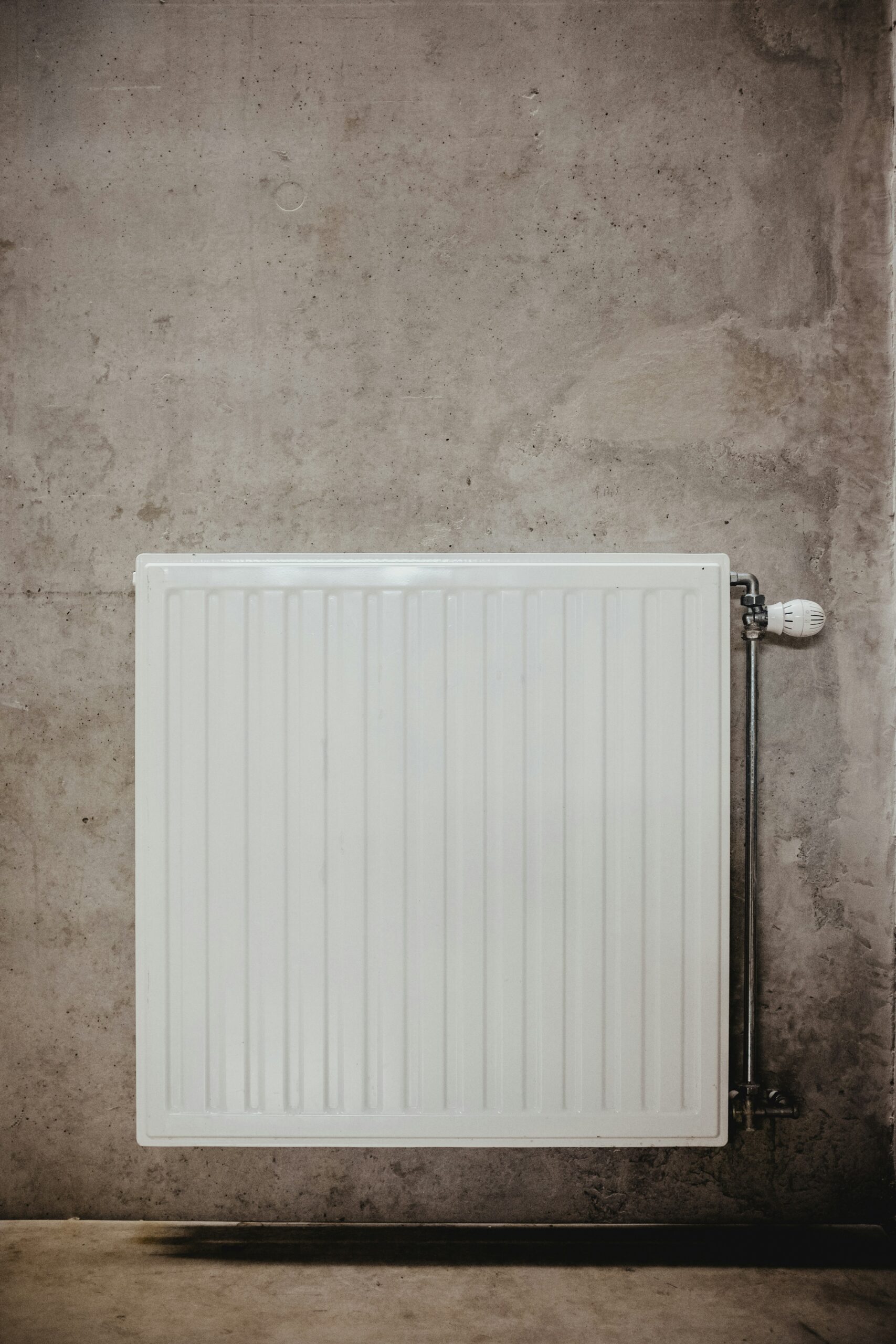
In France, the electricity bill is often manageable in spring and autumn, then suddenly uncomfortable in winter. The reason is usually heating. Old rural houses, high ceilings, stone walls, single glazing, weak insulation and electric radiators can create bills that surprise people who focused only on the purchase price or rent.
A cheap house in a cold or damp area can be expensive to live in. A modern apartment with good insulation may cost more each month in rent but less in heating, maintenance and stress. This is one of the reasons long-term livability matters more than the romantic first impression of a property.
Common heating setups
- Electric radiators: common, simple and sometimes expensive in poorly insulated homes.
- Heat pumps: potentially efficient, but installation quality and insulation matter.
- Wood burners: useful in some homes but require storage, handling, cleaning and safe installation.
- Oil or gas boilers: can exist in older properties and may bring maintenance or replacement concerns.
- Collective heating: common in some apartment buildings, but charges may be handled through service costs.
Water bills: local, irregular and easy to overlook
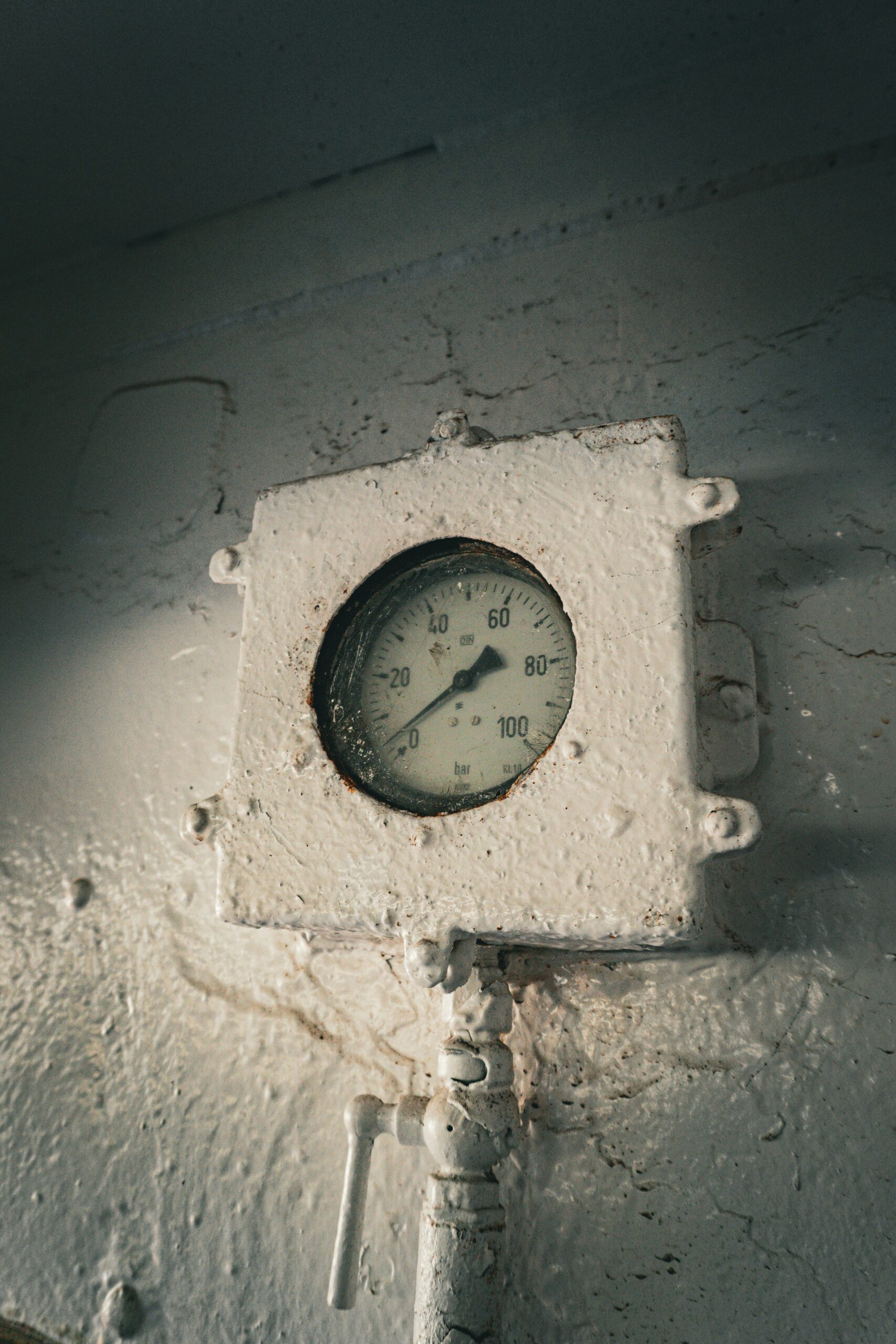
Water billing in France is more local than electricity. The provider depends on the commune or local water service. Some households receive bills directly. Others may have water included in rental charges or building charges, especially in apartments.
The practical issue is that water bills may not arrive monthly. A newcomer can move in, pay electricity and internet, then receive a water bill later and feel blindsided. If you are buying property, ask how water has been billed historically and whether the meter reading was recorded at handover.
What to check
- Where the water meter is located.
- Whether the contract is individual or handled through the building.
- The last meter reading at move-in or purchase.
- Whether there are unusual leaks, irrigation use or garden consumption.
- Whether the property uses mains drainage or a septic system.
Moving in: the utility setup checklist
Utility setup is easiest when handled before the move rather than after the keys are in your hand. The exact steps depend on whether you rent, buy, inherit, use the property seasonally or move into a home that has been empty for months.
Get the exact address. French rural addresses can be confusing, and supplier systems may need precise address matching.
Find the electricity meter number. This helps identify the correct connection and avoid opening a contract on the wrong property.
Take meter readings. Photograph electricity and water readings on the day of handover.
Choose a supplier and tariff. Do not accept a tariff option without understanding how you use electricity.
Set up direct debit carefully. Make sure the bank account has enough buffer before the first bills arrive.
Confirm water responsibility. Ask the landlord, agency, notaire or mairie who handles water billing.
Check internet separately. Electricity working does not mean fibre, broadband or mobile coverage will be good.
Direct debits, estimated payments and budget shocks
Many people pay French utility bills by direct debit. This is convenient, but it can also hide rising costs until the account is reviewed or adjusted. If monthly payments are based on an estimate, you may later receive a correction when actual consumption is known.
This matters for people living on pension or investment income because utility costs are not always smooth. A cold winter, new heating habits, guests, electric hot water, poor insulation or a tariff mismatch can push real usage above the estimate.
Renting versus buying: who pays what?
In a rental, electricity and internet are often in the tenant’s name. Water may be separate or included in charges. In an apartment building, some shared costs may appear through service charges. In a house, you are more likely to deal directly with several services.
Buyers need to be more careful. A property purchase can expose issues that a renter might avoid: outdated electrical systems, old boilers, bad insulation, septic systems, water leaks, chimney problems and heating equipment that technically works but is expensive or impractical.
Before buying, connect this guide with Buying Property in France for Retirement – What Expats Get Wrong, Hidden Costs of Owning Property in France and Apartment vs House in France for Retirement.
Rural properties: cheap purchase, expensive systems
Rural France can offer space, quiet and lower purchase prices. It can also bring complicated utility realities. Some houses have older electrical installations, patchy mobile signal, slow internet, septic systems, heating that depends on wood or oil, and long delays for tradespeople.
None of this means rural living is a mistake. It means the numbers must be realistic. A person who can drive, handle practical maintenance, manage French phone calls and wait for contractors may cope well. Someone who wants predictable systems, easy healthcare access and low daily friction may be happier in a smaller town with better infrastructure.
Electricity, healthcare and everyday comfort
Utility reliability becomes more important when healthcare needs are part of daily life. Heating, hot water, refrigeration, mobility aids, medical equipment, reliable phone charging and internet access all matter more as people build a long-term life in France.
This is why a very cheap property can be the wrong choice for a household that needs regular appointments, good transport, stable heating and low stress. Utility costs are not separate from healthcare planning; they are part of whether the home remains practical over time.
For the healthcare side of the move, read Healthcare in France for Retirees.
Banking and utility bills
Utility contracts are much easier with a reliable bank account and direct debit setup. A French IBAN can reduce friction with suppliers, landlords, insurance companies and local services. Problems often appear when a newcomer tries to set up utilities before the bank account, proof of address and identity documents are aligned.
If you are still sorting out financial setup, read Opening a Bank Account in France as a Foreigner and French Banking Fees Explained for Foreigners.
Common utility mistakes after moving to France
- Not photographing meters at move-in. This can create arguments about previous usage.
- Assuming the previous owner’s bill predicts your bill. Different heating habits can change everything.
- Choosing peak/off-peak without checking lifestyle. The tariff only works if usage moves to cheaper hours.
- Ignoring water billing. Water may arrive less often and surprise people later.
- Buying an old house without winter bills. Heating can destroy the budget.
- Underestimating standing charges. The subscription matters even before consumption.
- Forgetting internet coverage. A beautiful property is harder to live in if work, banking, healthcare portals and calls are unreliable.
- Not closing contracts when leaving. Moving out without closing or transferring contracts can cause bills to continue.
A realistic monthly budget approach
Instead of asking for one national utility number, build a realistic range based on property type. A small efficient apartment may be predictable. A detached house with electric heating may be highly seasonal. An old rural property may have lower purchase costs but higher heating, maintenance and contractor risk.
Often easier to budget, especially with good insulation and shared systems.
Can be charming but may have heating, damp or wiring issues.
More space, but more exposure to heating, water, septic and maintenance costs.
Standing charges continue even when you are not there, and winter protection still matters.
For broader budget planning, compare this with Cost of Retiring in France and Renting vs Buying in France for Retirement.
Before signing for a property, ask these questions
What is the main heating system? Electric, heat pump, wood, gas, oil or shared building heating?
Can I see winter bills? Summer bills are not enough for decision-making.
What is the energy rating? A poor rating usually means comfort and cost issues.
Where are the meters? You should know how to read and photograph them.
Who bills water? Landlord, building management, commune or local provider?
Is internet actually available? Check the address, not just the town.
What happens in winter if something breaks? Contractor availability matters, especially outside larger towns.
Treat utilities as part of the real cost of living in France
A home in France is not affordable just because the rent or purchase price looks good. Electricity, heating, water, internet, repairs and winter comfort decide whether the property works in daily life.