Bringing Your Car to France From Another EU Country
Bringing your own car to France can sound logical if you already own a reliable vehicle. But registration, insurance, inspections, parking, Crit'Air rules and daily French driving conditions often create more friction than retirees expect.
The real question is not only whether you can bring the car. It is whether the car still makes sense once France becomes your everyday home.
Bringing a car to France can work — but only if it fits French daily life
Many people assume moving a car within the EU is simple because there are no traditional customs borders. In practice, French administration still expects proper registration, insurance, technical inspection records, address documentation and environmental compliance once France becomes your normal place of residence.
Retirees often bring an existing car because they trust it, know its maintenance history and want familiar transport during the first months after arrival. That can be sensible. But it can also become expensive if the vehicle is too large, too old, restricted by Crit'Air rules or awkward in narrow French streets.
Use the France Move Planner to connect the vehicle decision with address proof, insurance, registration timing, parking, Crit'Air, transport backup, healthcare access and first-year relocation setup.
Quick answer: should you bring your car to France?
If the car is modern, compact, efficient, easy to insure and already suitable for your new French location.
If the car is an older diesel, oversized, expensive to repair locally or difficult to park in your chosen town.
A car can be essential in rural areas, but constant driving may become tiring later in retirement.
In compact towns and cities, a smaller local car or car-light lifestyle may be easier than importing a large vehicle.
Reality check: the practical question is not only “Can I import this car?” It is “Will this car make daily life easier or harder after I settle in France?”
Why retirees bring their existing car
Retirees often bring their existing vehicle because it feels safer than buying immediately. They know the car, trust the maintenance history and may want familiar transport during the first months after arrival.
This can be a reasonable temporary strategy, especially during a staged move. But it should not be confused with a long-term transport plan.
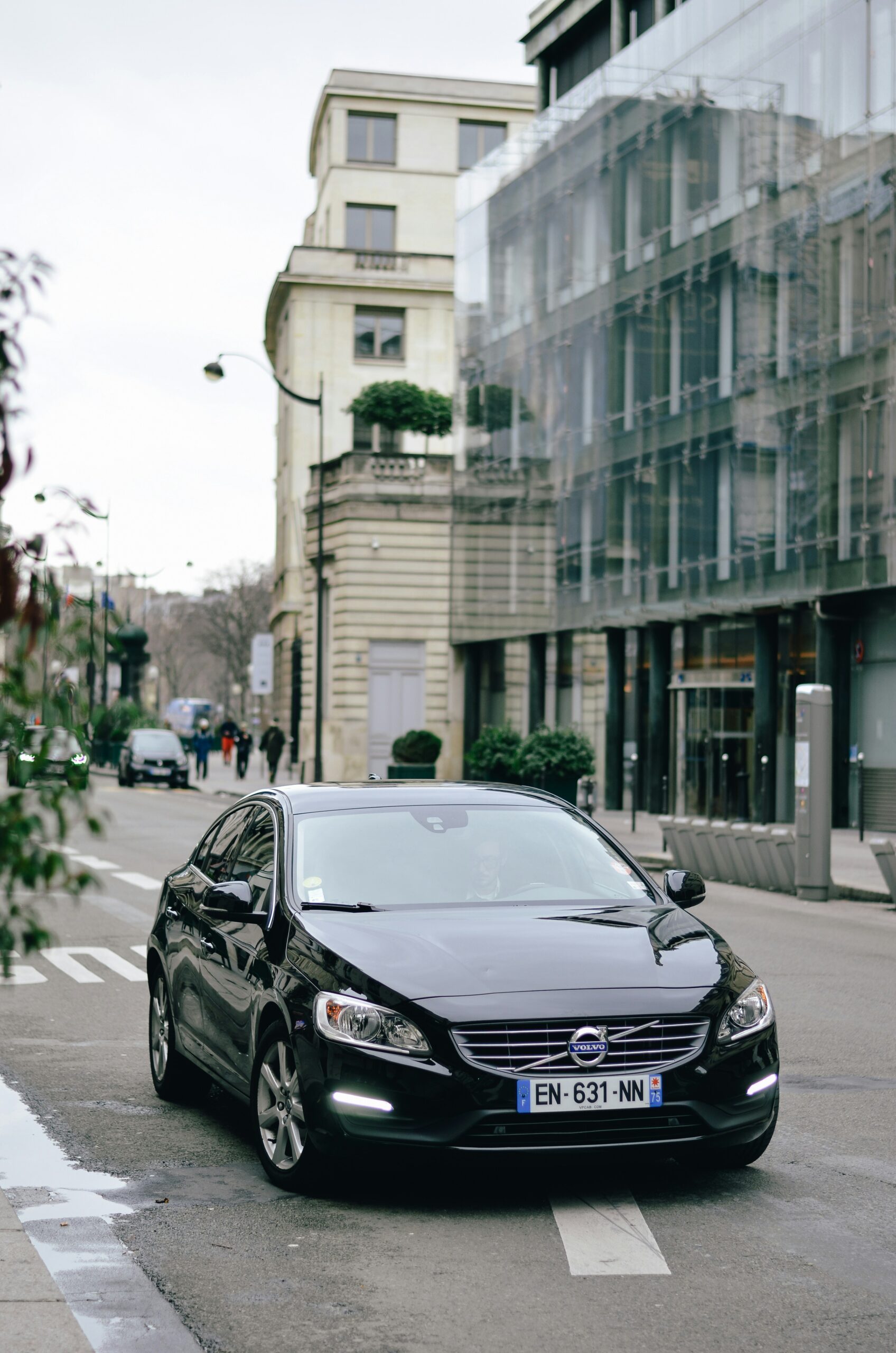
Planner step: treat the imported car as a bridge, not automatically the final answer. Add a six-month transport review to the France Move Planner after you have tested parking, doctors, shops, tolls and daily routes.
French registration eventually becomes necessary
Many retirees initially continue driving on their original EU registration plates after moving. But once you become resident in France, the vehicle normally needs to transition into the French registration system.
French address proof, ownership documents, identity records, insurance paperwork and inspection records.
One missing or mismatched document can delay the process after you have already arrived.
Do not arrive with a weak paperwork chain. French systems depend heavily on administrative consistency. Names, addresses, dates and vehicle documents should match cleanly.
Crit'Air can completely change the calculation

France uses low-emission classifications called Crit'Air. Certain cities restrict older or more polluting vehicles, especially diesel cars.
This creates a major trap for retirees bringing older vehicles from elsewhere in Europe. The car may still run well, insurance may still look affordable, but city access can gradually become more limited.
Hidden risk: a cheap older diesel can become expensive if it limits access to hospitals, airports, larger cities or urban services.
Large cars can become exhausting in French towns
One of the biggest long-term mistakes is bringing a large vehicle into environments built centuries before modern cars existed.
Many retirees who originally loved their SUV later become tired of parking damage, fuel consumption, insurance costs and city driving stress.
Insurance may become more complicated
Foreign insurance histories do not always transfer smoothly into French systems. Insurers may evaluate your French address, claims record, vehicle type, parking environment and how common the model is locally.
Parts availability, repair pricing and documentation may be less straightforward than expected.
Insurance pricing and conditions may change depending on whether you live in a rural area, town or city.
Practical move: confirm the insurance route before treating the imported car as your long-term France vehicle.
Toll roads and long-term costs
Retirees often focus on import costs while forgetting the ongoing transport expenses afterward. In France, long-term car ownership can mean motorway tolls, fuel, parking fees, inspections, insurance increases and maintenance.
A countryside property may look economical at first, but constant long-distance driving can quietly reshape the monthly budget.
Contrôle technique surprises
France uses vehicle inspections called contrôle technique. Older imported cars may need repairs sooner than expected, especially when lights, tyres, brakes, emissions, rust or windscreen damage are checked.
Common European models with available parts and mechanics who know them well.
Uncommon models, older cars, emissions issues or vehicles with incomplete service records.
Practical move: deal with known repairs and service documentation before relocating, not after you are already dependent on the vehicle in France.
When keeping your existing car makes sense
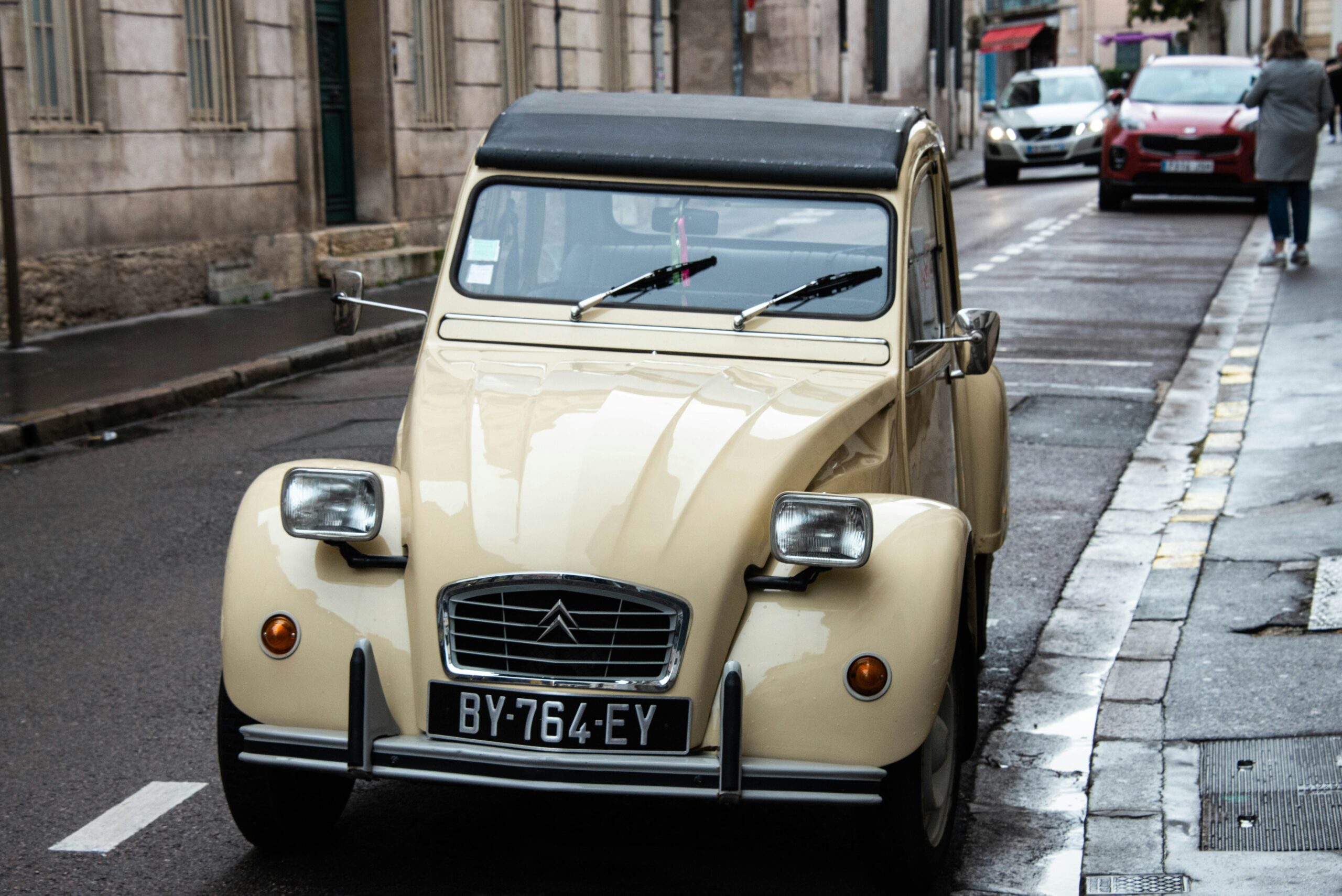
Bringing your existing car often works best when the vehicle is relatively modern, compact, efficient, easy to insure, compatible with Crit'Air zones and supported by local mechanics.
It works less well when the car is oversized, an older diesel, expensive to repair locally or needed for constant city access.
Best setup: practical vehicle size, good parking access, moderate driving dependency and a town where daily life does not require the car for every task.
Final thoughts
Bringing your car to France from another EU country can absolutely make sense. But the best decisions come from evaluating long-term lifestyle realities, not only emotional attachment to the vehicle.
In France, transport quality is often less about horsepower and more about reducing everyday friction: parking, inspections, Crit'Air, insurance, town streets, tolls and whether you can still manage life comfortably if you drive less later.
Use the France Move Planner to make car import part of the wider relocation sequence rather than a separate transport decision.
Plan transport before choosing a French home
The best retirement transport setup is usually the one that reduces stress, not the one that maximizes driving freedom.
A car can be useful in France, especially outside large cities. But the best retirement plan also includes walkability, public transport access and realistic thinking about how mobility changes with age. Use the France Move Planner to connect car import with registration, insurance, address proof and first-year setup.