The Best Medium-Sized Cities to Retire in France
Many retirees discover that medium-sized French cities offer the best balance between lifestyle, healthcare, transportation, walkability and lower daily stress. They often feel more practical and livable than either Paris or isolated countryside villages.
Medium-sized cities often solve the biggest retirement tradeoff in France: they provide enough infrastructure and healthcare to make daily life easy, while still keeping a calmer pace, lower stress and stronger local identity than very large metropolitan areas.
Why medium-sized cities work so well for retirement
Many retirement articles focus almost entirely on climate, scenery or property prices. But daily life in France depends just as much on infrastructure, transportation, healthcare access and how stressful ordinary routines feel over time.
This is why many retirees eventually gravitate toward medium-sized cities. These places often provide enough services and transportation to make life convenient, while still feeling relaxed, social and distinctly French.
Practical reality: medium-sized cities often provide the strongest combination of independence, convenience and lifestyle quality for long-term retirement in France.
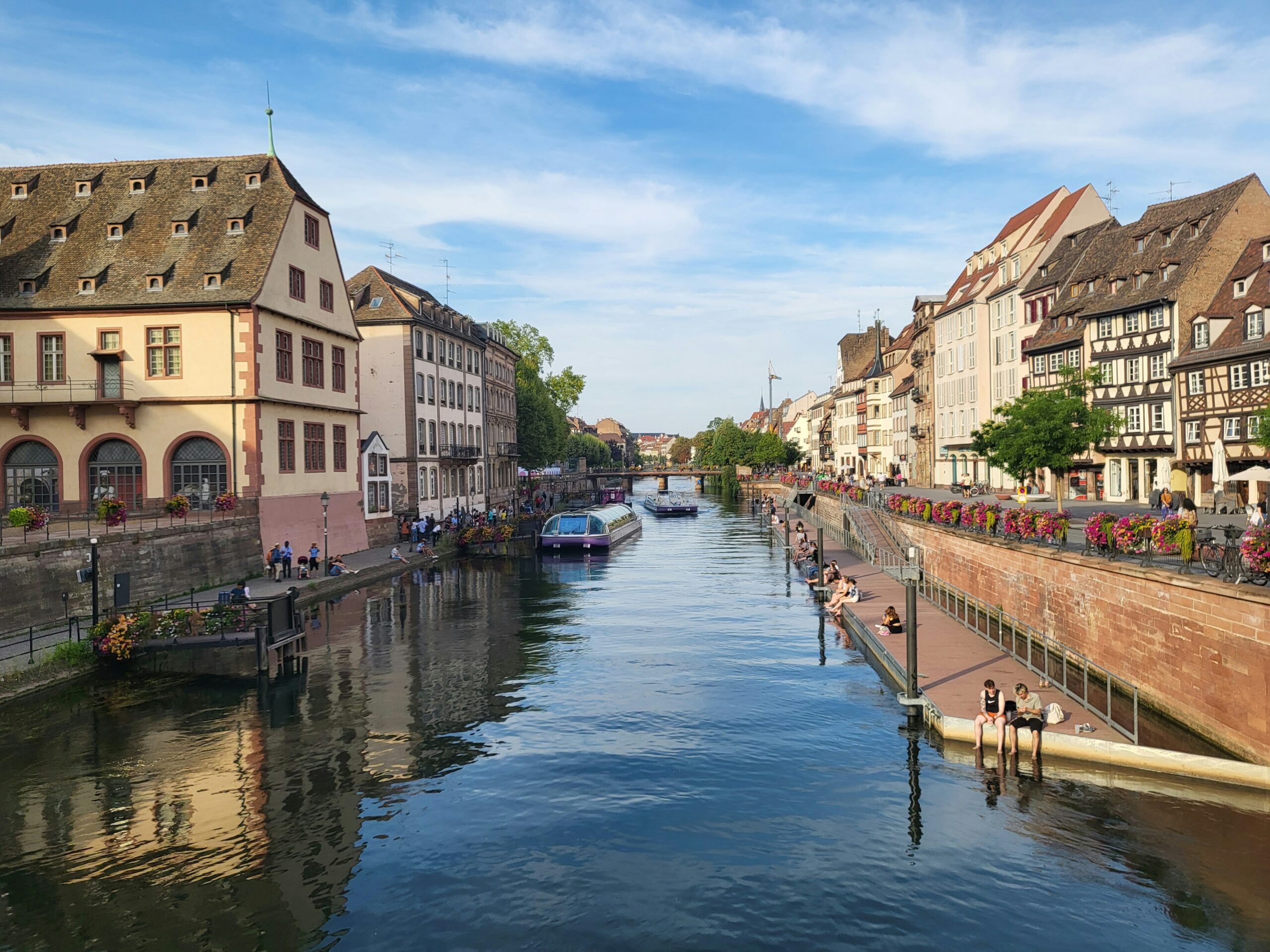
The retirement advantage is ordinary convenience
Many retirees eventually realize that convenience creates freedom. When healthcare, cafés, groceries, transportation and social life are easy to access, France becomes much easier to enjoy long term.
Medium-sized cities often provide walkable centers, regional train connections, better healthcare access, less congestion than Paris, strong café and market culture, lower stress daily logistics and more manageable housing.
You are less dependent on driving for every appointment, pharmacy visit, grocery trip or social activity.
You still get culture, healthcare and transport without the same scale, congestion or housing pressure.
Walkable routines and service access become more valuable if mobility or driving confidence changes later.
Real cities usually keep a stronger local rhythm outside summer and holiday periods.
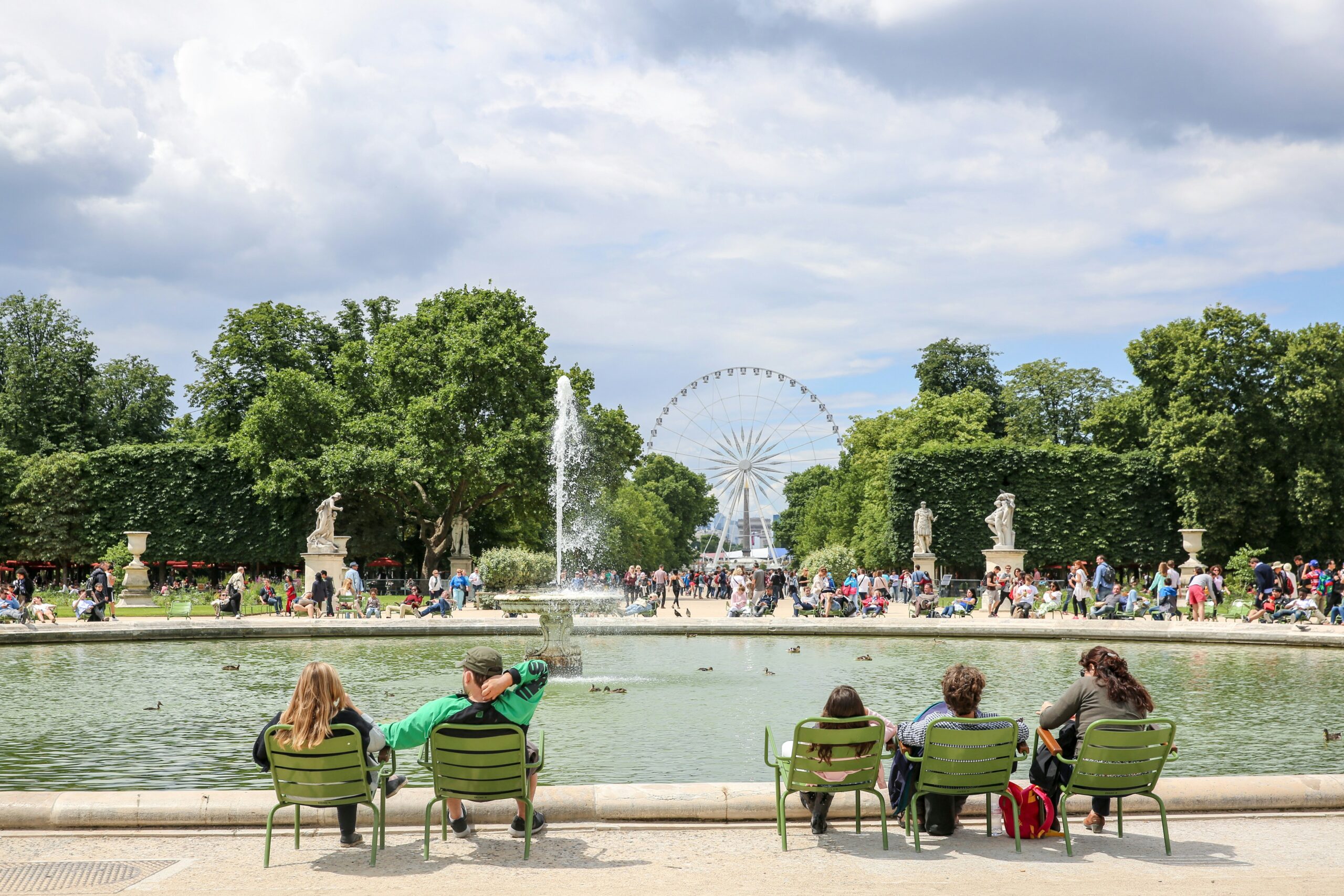
Toulouse and Nantes: stronger infrastructure without Paris pressure
Toulouse
Toulouse combines excellent transportation, healthcare infrastructure, walkability and a lively atmosphere without feeling as overwhelming as Paris.
The city benefits from strong healthcare access, tram and metro systems, major train connections, a mild climate, active café culture and good airport access. Many retirees appreciate that Toulouse still feels like a functioning French city rather than purely a tourist destination.
Nantes
Nantes often ranks highly for quality of life. It combines greenery, transportation, healthcare and a calmer rhythm than larger metropolitan areas.
The city works especially well for retirees who want walkable urban living, good train connections, Atlantic climate without Riviera prices, strong infrastructure and less tourism pressure.
Check neighborhoods carefully: even in good cities, retirement quality depends on the exact address, walking route, tram access, noise level and distance to healthcare.
Montpellier and Rennes: two different versions of practical city life
Montpellier appeals to retirees looking for Mediterranean climate combined with modern transportation and healthcare infrastructure. It offers tram systems, walkable districts, younger energy, good healthcare access and strong regional transportation.
Rennes is often overlooked internationally but works extremely well for practical retirement living, especially for retirees who value train connections, healthcare, a walkable center and less tourist pressure.
Montpellier can be attractive for retirees who want warmth, activity and coastal access, although summers can become very hot. Rennes usually suits retirees who prioritize daily functionality, rail access and a calmer urban rhythm over international prestige.
RetirePlan filter: choose the city whose ordinary weekday works best, not the one that looks most exciting during a short visit.
La Rochelle, Pau and Annecy: lifestyle strengths with different tradeoffs
La Rochelle
La Rochelle works well for retirees who want Atlantic coastal living without the intensity of larger Riviera destinations. It combines walkability, coastal atmosphere, markets, cafés, manageable scale and good quality of life.
Pau
Pau is often appreciated for its slower pace, mountain views and relatively affordable property compared to many southern cities. It appeals especially to retirees looking for a calmer lifestyle, milder climate, lower stress and good regional access.
Annecy
Annecy offers spectacular scenery and excellent quality of life, though prices can be significantly higher. Retirees often choose Annecy for walkability, lake lifestyle, mountain access, active outdoor life and strong infrastructure.
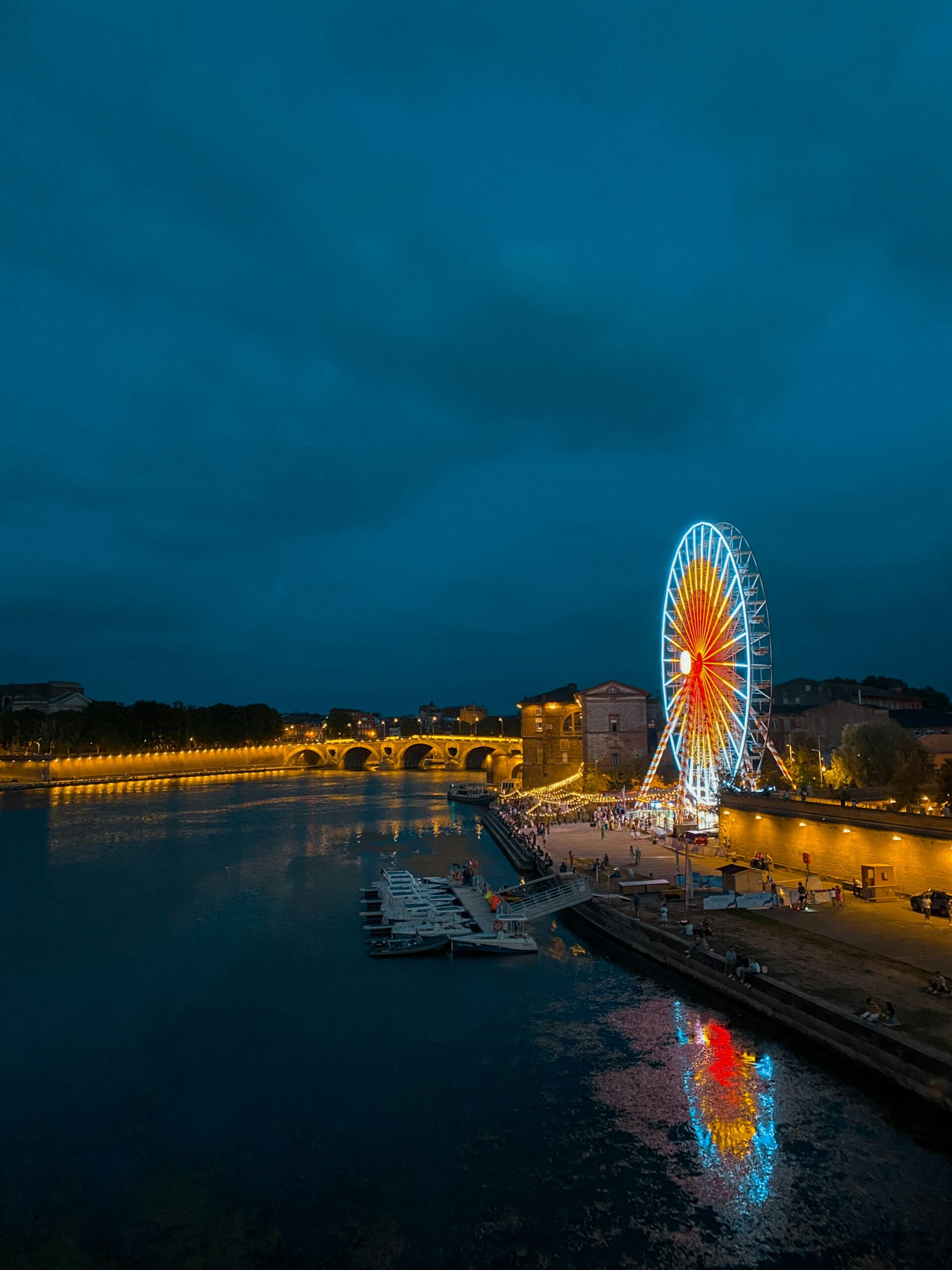
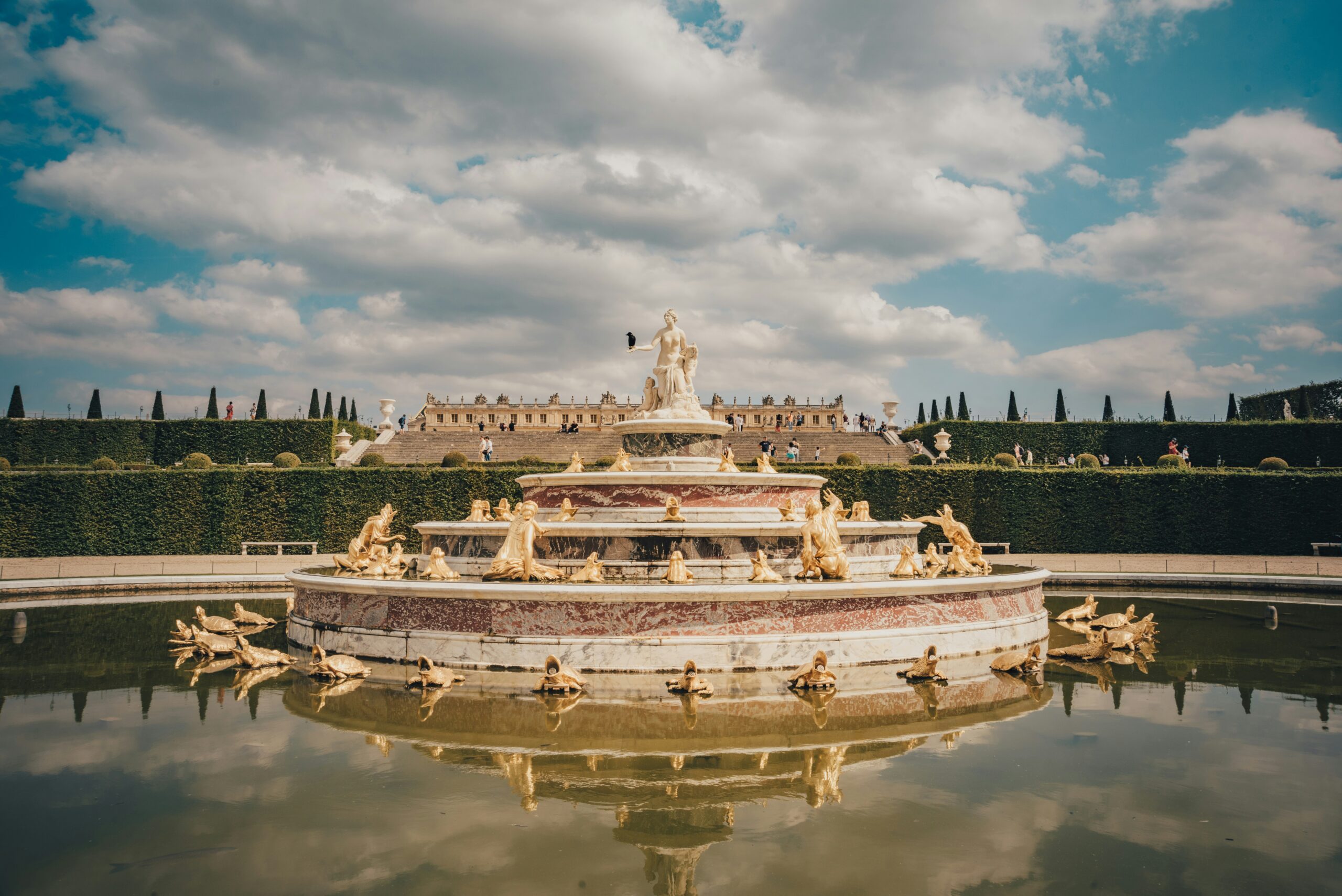
What retirees should prioritize before choosing
The best city depends on personal priorities, but practical retirement planning in France often works better when retirees focus on walkability, healthcare access, public transportation, manageable housing, daily convenience, climate comfort and social atmosphere.
- Can you reach a pharmacy, bakery, supermarket and café on foot?
- Is there a train station with useful regional or national connections?
- Are hospitals, clinics and specialists realistically accessible without stress?
- Does the neighborhood stay active outside tourist season?
- Would the home still work if stairs, driving or long walks became harder?
- Can you handle summer heat, winter rain, hills or local transport gaps?
The strongest retirement locations are usually the places where ordinary life feels easiest — not necessarily the places with the biggest international reputation.
How to compare medium-sized French cities
- Stay for ordinary weeks. Test weekday errands, not only weekend sightseeing.
- Use local transport. Take buses, trams and trains exactly as you would after moving.
- Check healthcare routes. Map clinics, hospitals, pharmacies and taxi access before choosing housing.
- Walk the real daily loop. Supermarket, bakery, café, pharmacy and doctor access matter more than postcard streets.
- Visit in the wrong season. Rain, winter quiet, summer heat and off-season closures reveal the true city rhythm.
Final thoughts
Medium-sized French cities often provide the best overall balance for retirement living. They combine infrastructure, transportation and healthcare with a calmer pace and stronger day-to-day practicality than larger metropolitan areas.
Many retirees eventually discover that walkability matters more than prestige, daily convenience matters more than large property size, transportation matters more than occasional scenery and manageable living creates more freedom long term.
For retirees who want France to feel practical, social and sustainable rather than complicated, medium-sized cities are often one of the smartest choices available.
Medium-sized cities are often the most realistic France retirement choice because they protect daily independence while still offering real French lifestyle. Start with Best Places to Retire in France and compare each city against healthcare, transport and walkability.