What Breaks Most Often When Moving to Spain
Many retirees move to Spain expecting sunshine, terraces and an easier Mediterranean lifestyle. What often surprises them first is not the big relocation paperwork, but the everyday systems inside older apartments, coastal homes and long-term rentals.
Air conditioning, plumbing, internet, shutters, humidity, appliances, utility contracts and paperwork can all work differently from what retirees are used to back home.
Most housing problems in Spain are manageable when you expect them. The risk is choosing a home after a sunny viewing and only later discovering weak cooling, poor drainage, unreliable internet, stuck shutters, summer electricity shocks, winter condensation or slow repair coordination.
Use the Spain Move Planner before signing a long-term rental or buying a property. It helps connect housing checks, utilities, internet, humidity, repairs, banking, NIE, padrón and first-year setup in one practical relocation checklist.
The biggest mistake retirees make
Many retirees choose Spanish housing by view, terrace, price, beach distance or holiday atmosphere. Those things matter, but they do not tell you how the home performs during an August heatwave, a damp winter week, a water-pressure problem or an internet installation delay.
RetirePlan reality check: a beautiful apartment in Spain can still become frustrating if air conditioning fails, shutters jam, wardrobes smell damp or fibre installation takes weeks longer than promised.
Planner shortcut: use the Spain Move Planner to test cooling, water pressure, internet, humidity, utility contracts, repair responsibility and first-year housing friction before the move becomes permanent.

Better filter: before you fall in love with the balcony, test the systems that affect daily retirement life.
Air conditioning becomes a practical system, not a luxury
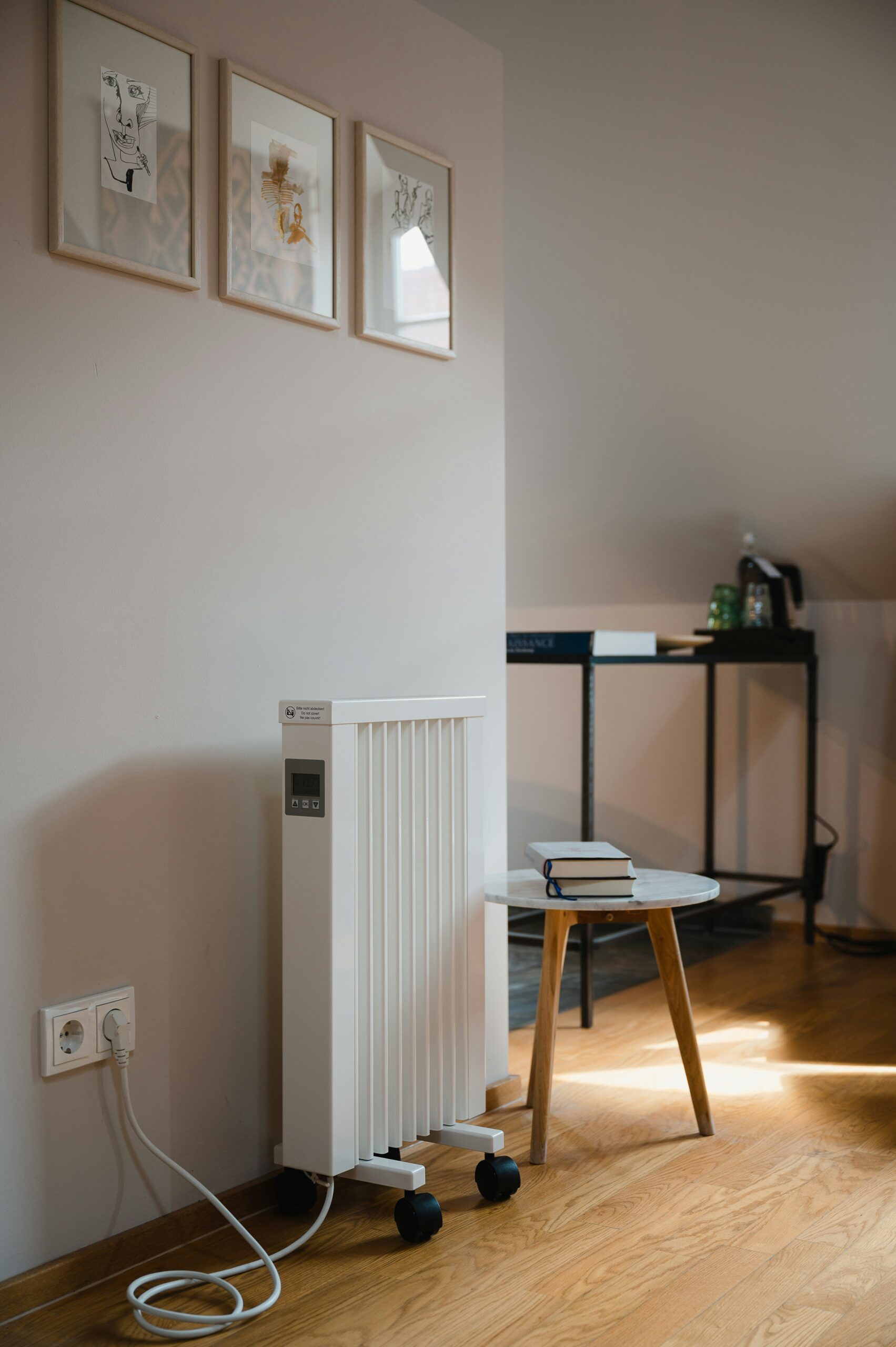
In much of Spain, cooling is part of health, sleep and daily comfort. Older air-conditioning units may work during a quick viewing but struggle under sustained summer heat, especially in apartments with poor insulation, large sun exposure or coastal salt-air wear.
Weak cooling, water leaks, bad smells, failing remotes, noisy units and reduced performance during heatwaves.
When was the unit serviced, who pays for repairs, and what were the highest summer electricity bills?
A bedroom that does not cool properly can turn a good apartment into a poor long-term choice.
Run the unit long enough to feel airflow, smell, noise and actual room cooling.
Plumbing, pressure and hard water show up quickly
Plumbing issues are common in older Spanish buildings. Low pressure, slow drains, ageing pipes, small hot-water tanks, leaking taps and hard-water damage often become visible only after a few weeks of ordinary use.
Before signing: run the shower hot for several minutes, flush toilets, check under sinks and ask whether hard water has damaged previous appliances.
Internet installation delays can disrupt the first month
Reliable internet matters once banking, healthcare portals, translator apps, video calls, utilities and admin tasks depend on it. Retirees often assume fibre is simple because it exists nearby, but exact-address installation can still be delayed by building access, provider scheduling, old wiring or unclear contracts.
Missed technician appointments, provider confusion, language barriers and installation dates that move.
Have a Spanish SIM or mobile router ready for the first month.
Check the apartment number and building, not only the postcode.
Test mobile reception inside the home, not just outside on the street.
Planner shortcut: add exact-address fibre checks, mobile signal testing, SIM backup, installation appointments and provider logins to the Spain Move Planner before arrival week.
Shutters, blinds and windows are more important than they look
Spanish homes often rely on shutters, blinds, sliding doors and exterior protection to manage heat, glare and privacy. In older buildings these systems can jam, rattle, leak, fail electrically or become expensive minor repairs that repeat every season.
Humidity damage is often hidden during sunny viewings
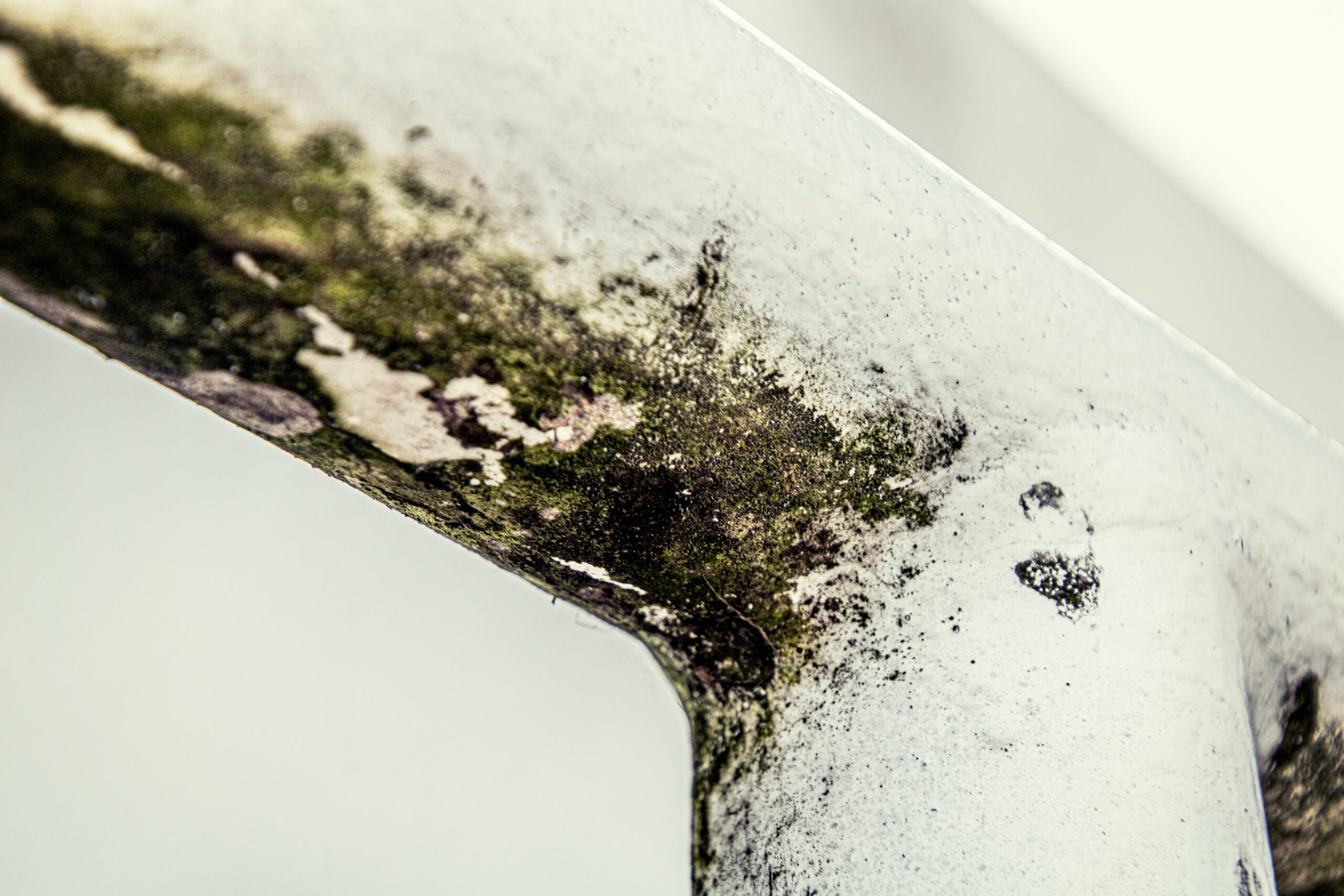
Coastal apartments and homes left closed for long periods can develop mould behind furniture, swollen wood, musty wardrobes, bubbling paint and condensation around window frames. A freshly painted room does not always mean the property is dry.
Open wardrobes and smell closed storage spaces before windows are aired.
Look behind beds, sofas and large furniture against external walls.
Check bathroom ceilings, window frames and cold corners.
Ask whether dehumidifiers are used in winter or after rainy weeks.
Appliances and utility contracts fail expectations
Furnished rentals may look ready online while hiding ageing refrigerators, washing machines in damp utility spaces, small water heaters, cheap cooktops or ovens near the end of their life. Utility contracts can also create friction if previous tenants left debt, meter readings are missing or the electricity capacity is too low for real use.
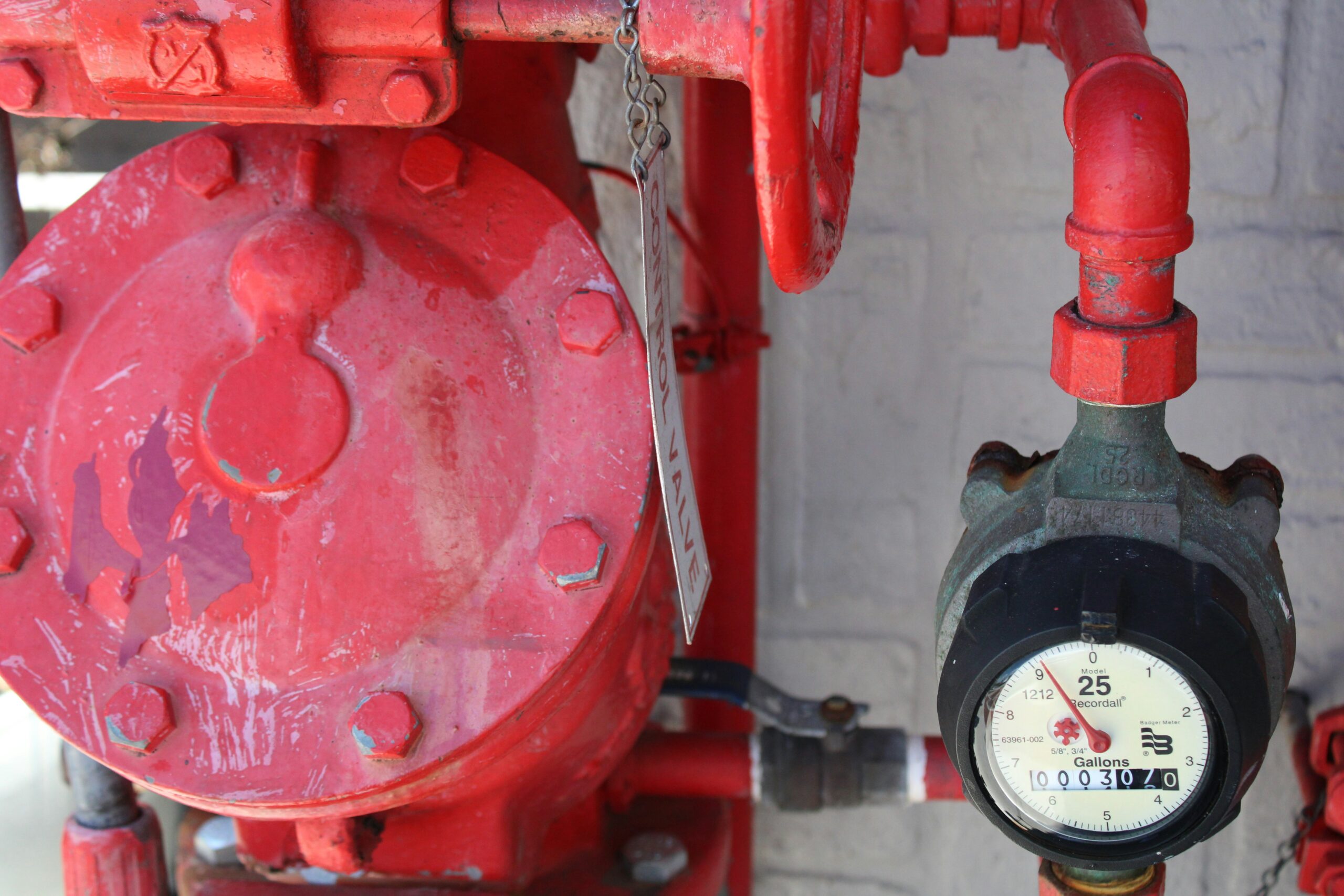
Planner shortcut: add meter photos, utility contract names, appliance checks, electricity capacity, direct debits and repair contacts to the Spain Move Planner during handover.
Bureaucratic systems can also feel like something has broken
Not every failure is physical. Many retirees experience the same feeling when appointments move slowly, documents are missing, a bank asks for extra verification, a utility transfer stalls or different offices give slightly different answers.
Maintain printed and digital copies of ID, NIE, lease, empadronamiento, insurance and bank details.
Save emails, appointment receipts, provider chats and contract numbers.
Housing and utility problems are much easier when key terms are written in Spanish.
Address proof, banking, utilities and registrations often depend on each other.
How retirees reduce these problems
The best protection is not perfection. It is testing the home like a resident instead of judging it like a holiday rental.
View the home at different times of day and ask about both summer and winter comfort.
Test air conditioning, hot water, water pressure, drains, shutters and windows.
Ask for recent electricity, water and internet bills or contract details.
Verify fibre and mobile signal at the exact address before signing.
Inspect behind furniture and inside wardrobes for humidity signs.
Clarify repair responsibility for appliances, air conditioning, shutters and plumbing.
Best practical move: rent first if possible, live through at least one demanding season and delay buying until the property has proved itself as a full-time home.
The goal is predictable daily living
Most retirees who move to Spain successfully still enjoy the lifestyle. They simply learn to treat housing systems, utilities, internet and repairs as part of the retirement plan. When those basics are predictable, the sunshine, cafés, coast, cities and slower pace become much easier to enjoy.
Housing works best when it is treated as part of the full Spain relocation chain. Use the Spain Move Planner to connect property checks, utilities, internet, humidity, repairs, banking, documents and first-year setup before small failures become daily stress.