Winter Living in Spain Without Central Heating
Many retirees move to Spain expecting mild winters and lower heating needs. Outdoors, that can often be true. Indoors, winter living in Spain can feel surprisingly cold, especially in older apartments without central heating.
Cold tile floors, weak insulation, single-glazed windows, damp bedrooms and expensive electric heating are common surprises for foreigners who only experienced Spain during spring, summer or short holidays.
Many retirees choose Spain because of sunshine, coastal living and milder winters compared with northern Europe. But one of the most common relocation surprises is discovering that indoor winter comfort can feel worse than expected.
The issue is usually not the outdoor temperature alone. It is the combination of weak insulation, humidity, cold flooring materials, limited heating systems and older construction standards.
Use the Spain Move Planner before committing to a winter-sensitive property. It helps connect housing checks, heating, utility bills, humidity, internet, transport, healthcare access and first-year setup in one practical relocation checklist.
Winter living in Spain is one of the biggest hidden realities
Spain may have milder winters outdoors, but many homes are far less prepared for winter indoors than properties in northern Europe. A sunny winter afternoon on the Costa Blanca or Costa del Sol may feel pleasant outside while the apartment itself still feels cold after sunset.
Retirement comfort becomes part of housing quality, utility planning, electricity costs, long-term health and whether the property remains practical later in life.
RetirePlan reality check: Spain can feel warm outside and cold inside. Judge the home, not only the region on the weather map.
Make winter comfort part of the move: use the Spain Move Planner to add heating, electricity bills, humidity checks and winter viewing questions before signing a lease or buying.

Better viewing test: ask how the property feels in January, not only how it looks during a bright spring visit.
Spain can feel warm outside and cold inside
Many Spanish homes were originally designed more for summer ventilation, heat reduction, seasonal occupancy or holiday use than for stable indoor winter temperatures.
Outdoor temperatures may be pleasant, but humidity, sea air and weak ventilation can make interiors feel cold and damp.
Attractive buildings in Valencia, Alicante, Málaga, Seville or Granada can still have older windows and poor heat retention.
Madrid, Castilla, Aragón, inland Andalusia and higher-altitude towns can be genuinely cold at night.
Homes designed for summer stays may be awkward for full-time winter retirement living.
Climate is not enough: the Spain Move Planner helps you test the actual home, utility setup and daily winter routine instead of relying on regional weather averages.
Central heating is not standard in many Spanish homes
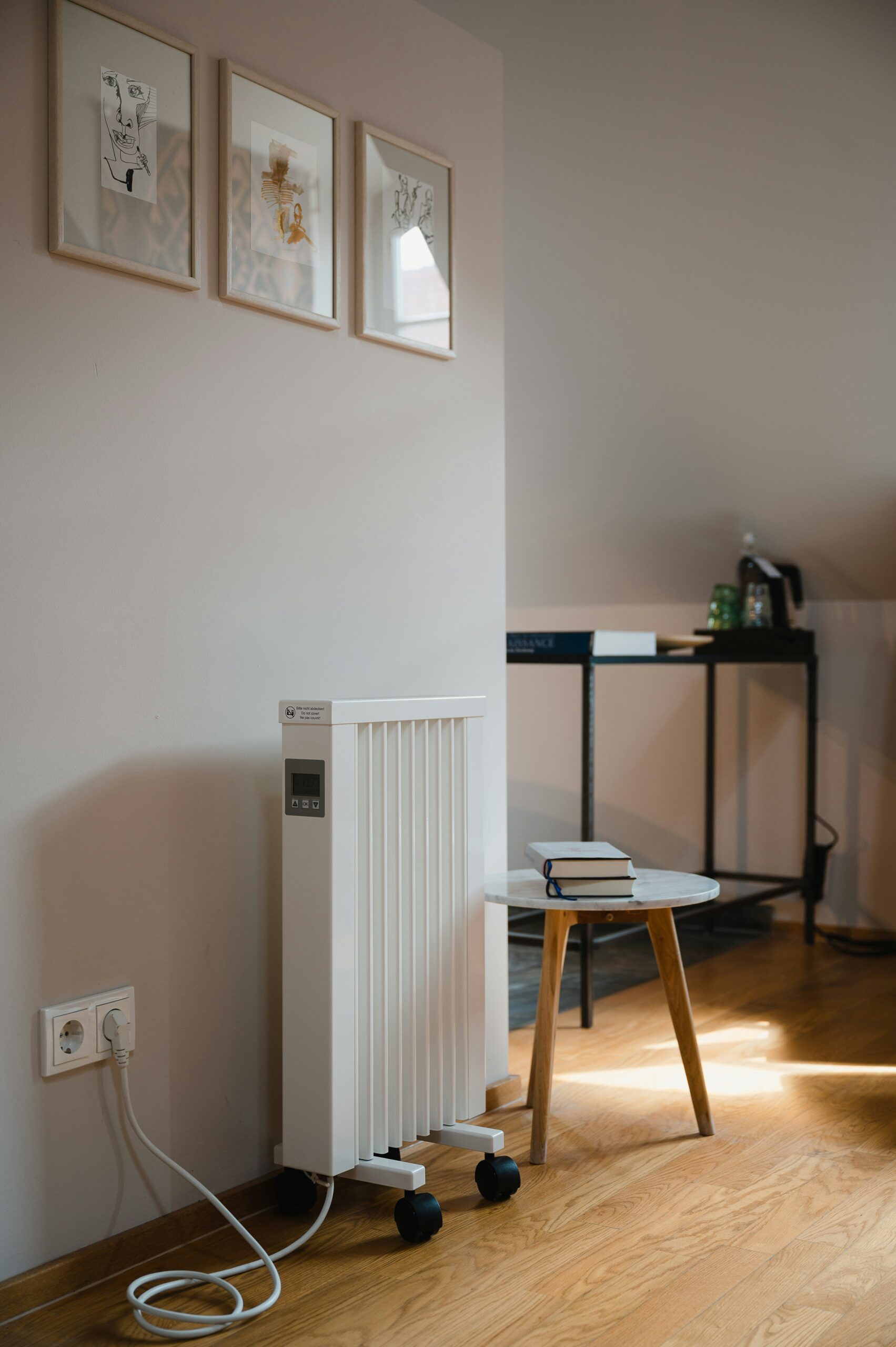
In northern and central Spain, proper heating systems are more common. In coastal and southern areas, however, many retirees discover that apartments rely on smaller, room-by-room heating solutions instead of full central heating.
Estate-agent wording: when a listing says the apartment has heating, verify whether that means every room or only one unit in the lounge.
Heating checklist: add room-by-room heating, bedroom comfort, electricity capacity and winter utility bills to your Spain Move Planner.
Why winter feels colder than retirees expect
Retirees often focus on average daytime temperatures when comparing climates. But retirement comfort depends much more on how the property behaves during cold nights, humidity periods, winter rain, long indoor evenings and weeks with poor sun exposure.
Winter becomes especially noticeable for retirees who spend more time at home, have arthritis or circulation problems, are sensitive to humidity, have respiratory conditions or rely on stable indoor temperatures.
Important: a beautiful apartment during a spring viewing can feel completely different during January or February.
Humidity and mold are part of the same housing problem
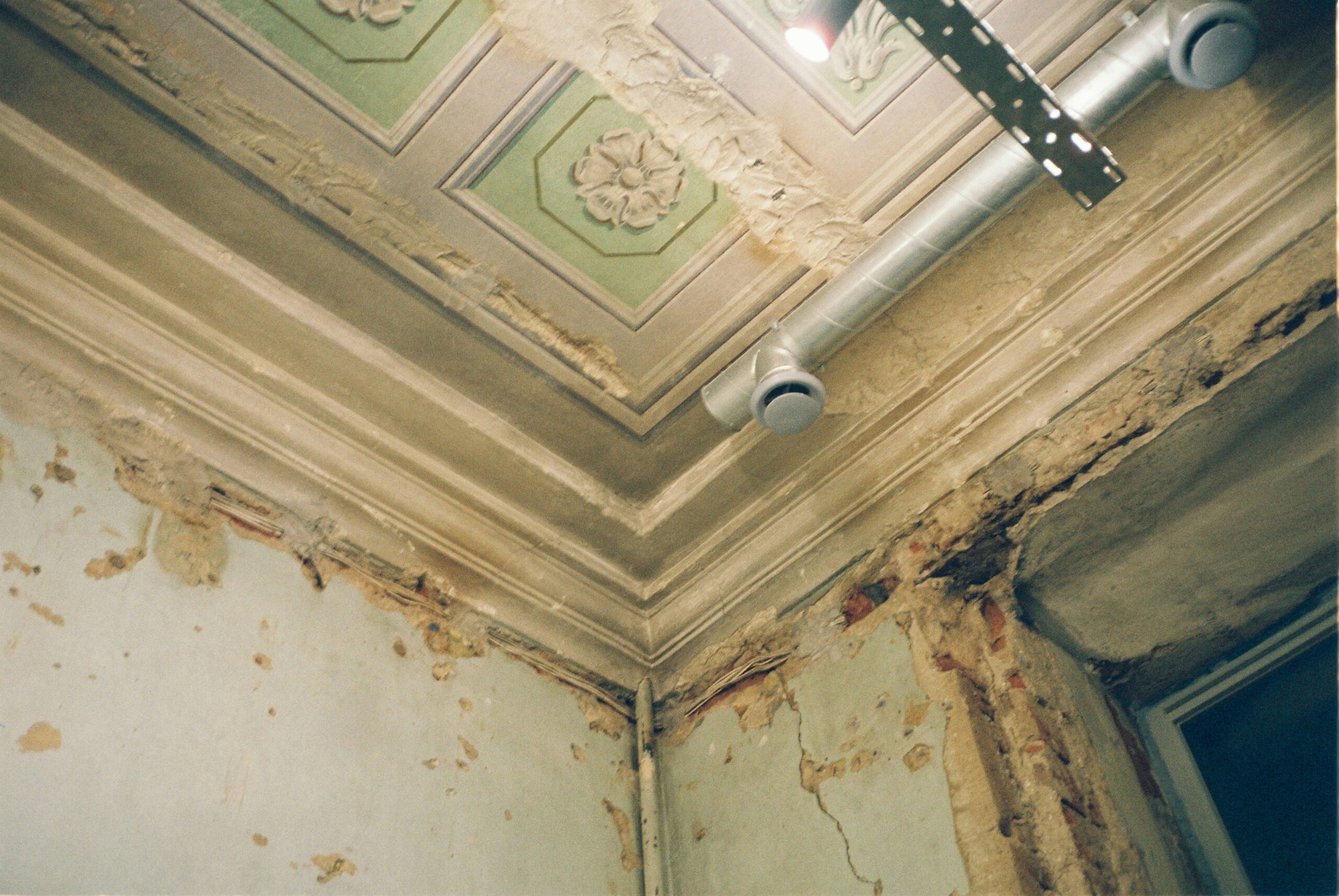
Winter heating issues in Spain are closely connected to humidity and ventilation. When rooms are not heated consistently, moisture can settle on windows, walls, wardrobes, corners and bathrooms.
This can lead to condensation, musty smells, damp clothes, mold behind furniture and cold damp bathrooms. Retirees sensitive to mold or respiratory irritation should be especially careful with ground-floor apartments, older coastal properties, vacant homes and poorly ventilated bedrooms.
Look behind wardrobes, beds and sofas placed against exterior walls.
Check window frames, bathrooms and corners before windows are opened.
Ask whether dehumidifiers are normally needed in winter.
Smell storage spaces and closed bedrooms for musty air.
Heating costs can surprise retirees
Spain may reduce heating costs compared with colder northern countries, but winter electricity bills can still become surprisingly high when heating is inefficient, rooms are poorly insulated or several rooms must be heated separately.
January and February bills matter more than annual averages or vague estimates.
A warm living room does not help if bedrooms stay damp and cold.
Double glazing, seals and sun exposure can change comfort dramatically.
The certificate is not just paperwork; it can indicate future cost and comfort risk.
How retirees improve winter comfort in Spain
Many retirees gradually adapt their homes after experiencing the first winter. The goal is not to turn Spain into northern Europe. It is to make the specific home dry, warm enough and affordable to run.
Transportation and winter comfort are connected too
Retirement comfort does not depend only on the apartment itself. Rural or isolated properties may create additional winter problems: long drives for heating supplies, difficulty reaching hardware stores, limited technician availability, cold mountain roads and weak public transportation.
Good winter living is easier when the home has walkability, services nearby, pharmacy access, practical transport and reliable help if heating or humidity problems appear.
Best property features for winter comfort
Retirees planning full-time life in Spain should prioritize practical winter housing features before committing to a long lease or purchase.
Double glazing and good window seals.
Good winter sun exposure, especially in living areas.
Modern air conditioning with heat mode in usable rooms.
Bedroom heating, bathroom ventilation and dry storage areas.
No visible mold, condensation trails or musty wardrobes.
Clear electricity capacity for heaters and dehumidifiers.
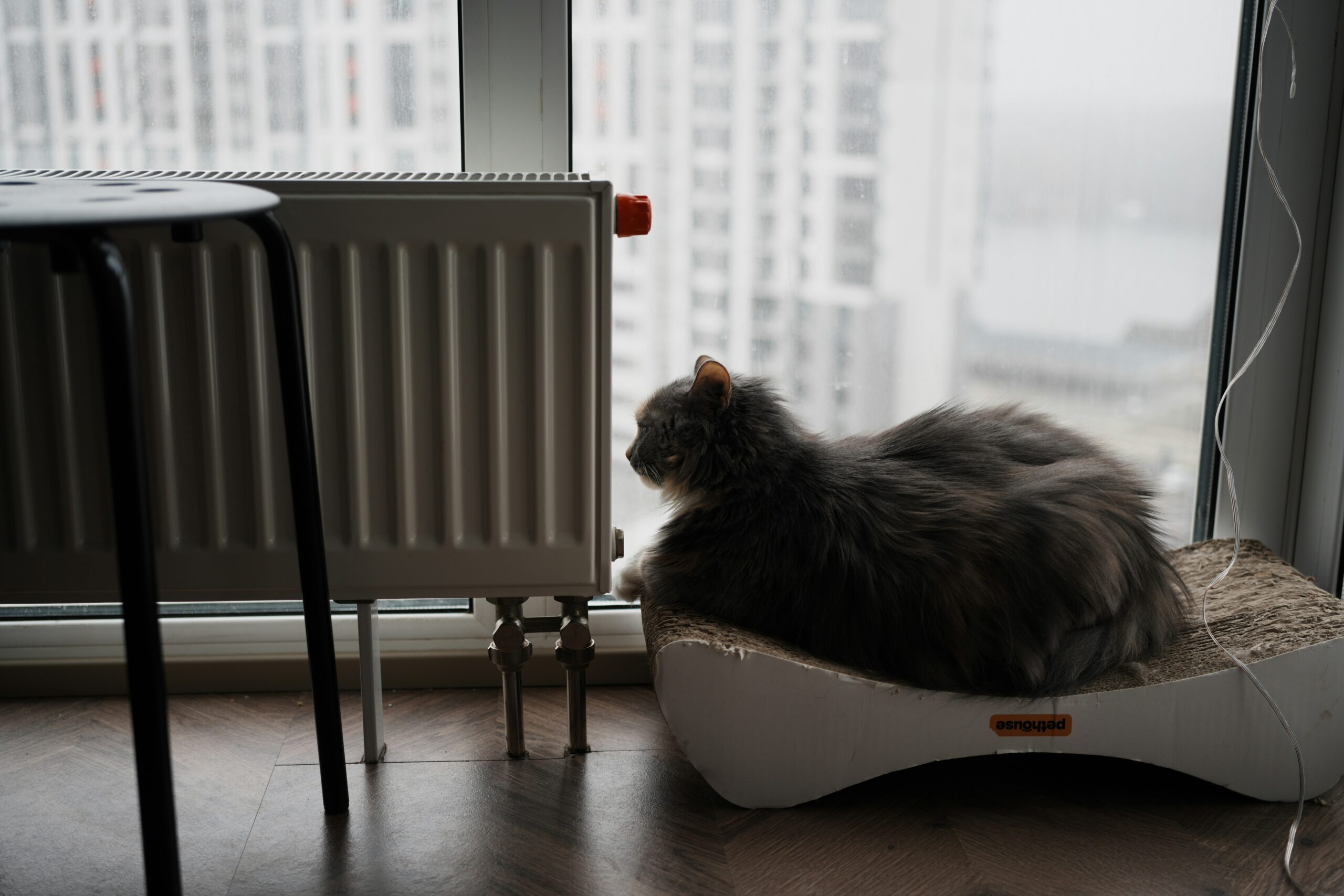
Long-term retirement perspective: the best property is often not the one with the best summer view, but the one that remains comfortable and healthy in winter.
Property checklist: use the Spain Move Planner to compare winter sun, insulation, heating, humidity, electricity capacity and walkability before the housing decision is final.
Spain can work very well in winter — if the housing works
Spain can still be an excellent retirement destination for winter living. The key is understanding that mild climate does not automatically mean warm homes, housing quality matters enormously, humidity and heating are connected, and utilities strongly affect comfort.
Retirees who test locations during winter and evaluate heating realistically usually adapt far more successfully after relocation.
Winter comfort in Spain is not only a weather question. It is a housing, utility, humidity, transport and health question. Use the Spain Move Planner to test the property before the mild-climate dream becomes a cold January surprise.