Humidity and Mold Problems in Spain for Retirees
Many retirees move to Spain expecting dry Mediterranean weather and easy year-round comfort. The first full winter can tell a very different story: condensation, cold tile floors, weak insulation, damp wardrobes and heating bills that were not in the original retirement budget.
Humidity is not just a cosmetic housing issue. It affects respiratory comfort, sleep quality, utility costs, storage, property maintenance and whether a home still feels practical after the holiday feeling wears off.
Spain can be an excellent retirement country, but housing comfort is uneven. Coastal air, older construction, limited heating, poor ventilation and weak insulation can make some homes feel much colder and damper than the climate reputation suggests. Retirees should judge property by year-round living, not only sunshine, sea views or summer atmosphere.
Use the Spain Move Planner before committing to a damp-sensitive property. It helps connect winter comfort, humidity checks, heating, utility bills, transport, healthcare comfort, renting-versus-buying and first-year setup in one practical relocation checklist.
Why humidity surprises retirees in Spain
The surprise is usually the gap between outdoor weather and indoor comfort. Even in Costa del Sol, Costa Blanca, Valencia and other sunny regions, apartments can feel cold and humid during winter because the building itself is not designed for continuous full-time comfort.
Many homes were built around summer cooling rather than winter insulation. Single-pane windows, concrete walls, tile floors, limited heating and poor bathroom ventilation create the conditions where condensation and mold appear.
RetirePlan reality check: A home that needs dehumidifiers, heating and constant ventilation just to feel normal has a higher real monthly cost than the rent or mortgage suggests.
Turn this into a housing checklist: use the Spain Move Planner to add winter viewing, humidity checks, utility costs, ventilation and heating before you sign.

Main hidden risk: A summer viewing can hide the real winter condition of the property.
Humidity risk depends on the exact home, not just the region
Spain has many climates. Humidity and mold are especially common in coastal apartments, older buildings, ground-floor homes, north-facing rooms, poorly ventilated bathrooms and properties that remain closed for long periods.
Costa del Sol, Costa Blanca, Valencia, Barcelona coastal areas and similar locations may have mild weather but high moisture exposure.
Historic neighbourhoods can offer atmosphere, but single glazing, tile floors and weak ventilation often make winter uncomfortable.
Apartments left unused in winter can develop musty wardrobes, stale air and damp walls before the owner notices.
Less sun, colder surfaces and weaker airflow can make ground-floor homes more vulnerable than higher apartments.
Two apartments in the same town can perform completely differently. Orientation, floor level, sunlight, construction quality, bathroom extraction, heating system and airflow matter as much as the location name.
Address-level test: add the exact building, floor level, orientation, window quality and ventilation notes to your Spain Move Planner, not only the town name.
Older apartments can feel completely different in January
A property that feels bright and attractive during a summer visit may become cold, damp and difficult during winter. This is one of the reasons retirees should be careful about buying after only a short warm-weather stay.
The problems are often practical rather than dramatic: condensation every morning, cold tile floors, musty wardrobes, bathrooms that do not dry properly and bedrooms that feel unpleasant without continuous heating.
Better buying filter: Ask how the home behaves during January rain, not only how it feels in August sun.
What to check during a viewing
- Condensation around windows
- Musty wardrobes and storage rooms
- Cold exterior walls
- North-facing bedrooms
- Bathroom extractor quality
- Heating method and real winter bills
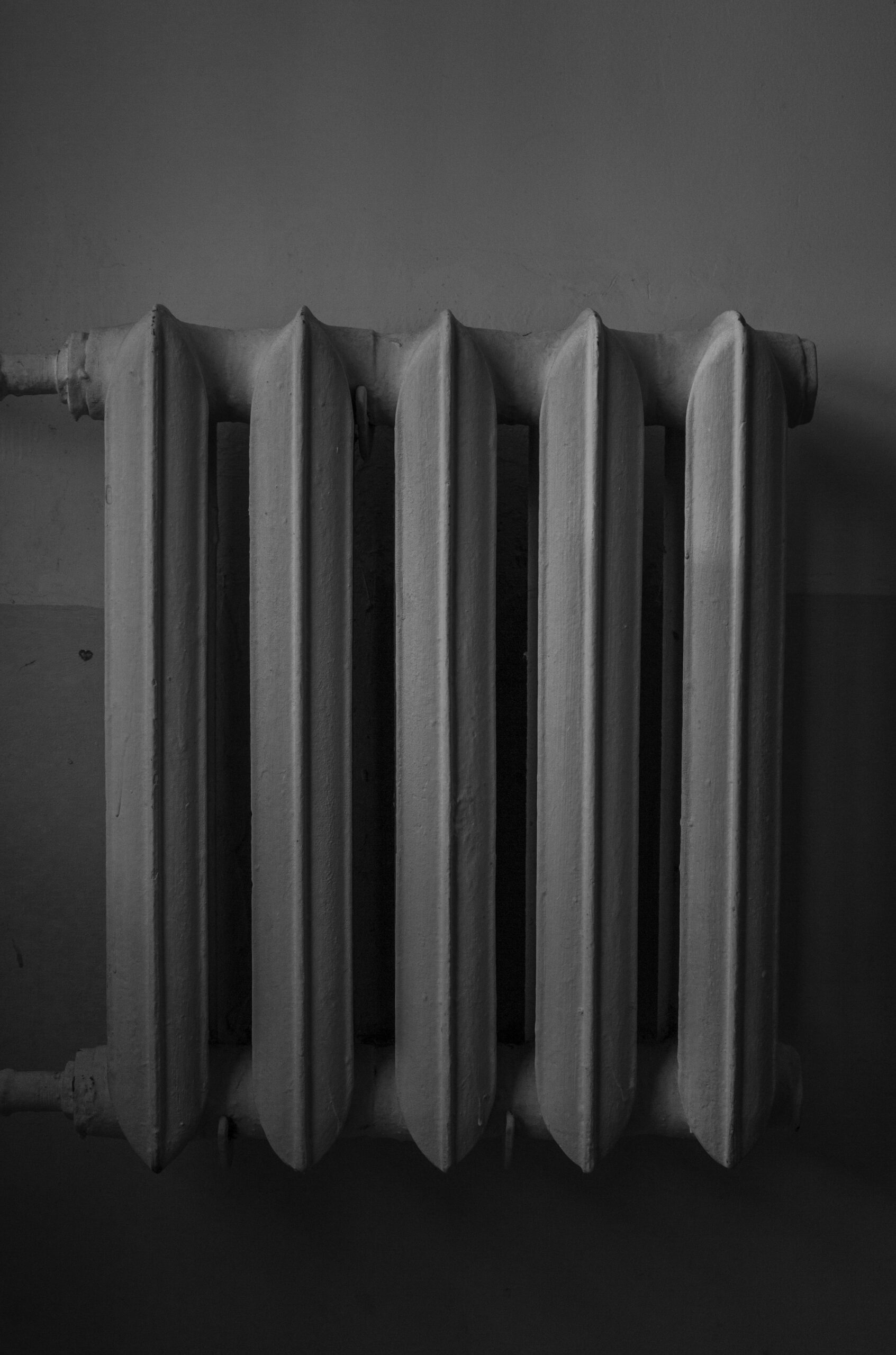
Heating and humidity are usually the same problem
Retirees sometimes try to save money by heating the home only briefly. In a damp property, this can make condensation worse because cold surfaces continue attracting moisture.
Common heating methods in Spain include air conditioning heat pumps, portable electric heaters, small gas heaters and pellet stoves in some rural areas. Each method has a cost, ventilation and comfort tradeoff.
Utility planning matters: use the Spain Move Planner to compare rent or purchase price with heating, dehumidifier use, electricity capacity and winter bills.
Humidity can affect health and aging comfort
For retirees, mold and dampness are not only visual problems. Indoor moisture can affect respiratory irritation, allergies, sleep quality, arthritis comfort and the simple desire to spend time at home during winter.
Damp rooms and mold can become more noticeable if you have asthma, allergies or recurring winter coughs.
Cold interiors can make ordinary winter routines feel harder, especially if you spend more time indoors.
A home that requires constant maintenance, shopping trips and repairs may become less practical with age.
Dry, easy, well-ventilated housing often matters more after age 75 than terraces, views or decorative charm.
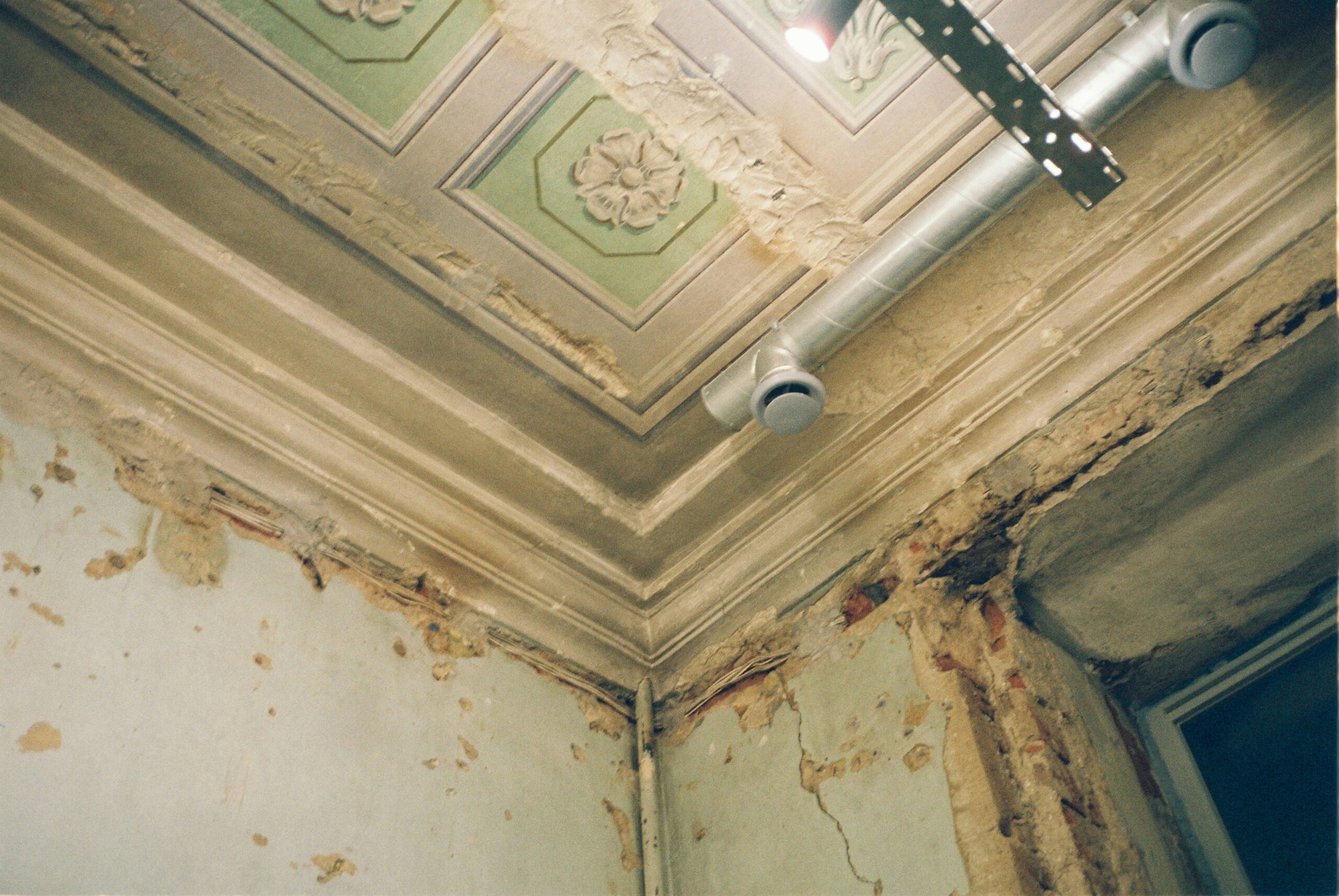
Check for mold before renting or buying
Many retirees focus on terraces, views and neighbourhood atmosphere while missing the clues inside the property. Mold risk is often visible if you inspect like a full-time resident rather than a visitor.
Do not accept vague answers: “It is fine in winter” is not enough. Ask which rooms get cold, whether windows condense and whether wardrobes need moisture absorbers.
Before the decision: add mold clues, musty smells, winter bills and landlord or seller answers to the Spain Move Planner so the property comparison stays realistic.
Practical ways retirees reduce humidity problems
Some humidity issues can be managed with better routines. Others are signs that the property may not be a resilient retirement home. The difference matters before signing a long lease or buying.
Leave space behind wardrobes, beds and sofas. Use bathroom extraction and open windows strategically.
In many coastal apartments, dehumidifiers become part of ordinary winter living rather than a one-time fix.
Short heating bursts often do less than steady background warmth in rooms with cold walls.
Owners may consider windows, ventilation or insulation, but tenants should avoid properties that need major work.
In many coastal areas, humidity management becomes part of normal winter life. That is acceptable only if the effort, cost and health impact still feel manageable.
Modern, dry and easy often beats charming but damp
Modern Spanish apartments built under newer standards often perform better than older properties. They may be less romantic, but they can be easier to live in, heat, ventilate and maintain as a retiree.
The right Spanish home works in February, not only in July
Humidity and mold problems in Spain are real, especially in older coastal apartments and poorly insulated buildings. This does not make Spain a bad retirement destination. It means retirees need to choose housing with full-time living in mind.
The happiest long-term retirees are usually not the ones who chose only from summer atmosphere. They are the ones who checked winter comfort, ventilation, heating costs, building quality and whether the property still works as they age.
Humidity and mold in Spain are not only housing details. They affect comfort, health, winter utility costs and whether the home still works later in retirement. Use the Spain Move Planner to test the property before the summer impression becomes a winter problem.