Spanish Bureaucracy and Paperwork for Retirees
Many retirees moving to Spain expect sunshine, slower living and relaxed Mediterranean culture. What often surprises them instead is how much time, energy and patience daily bureaucracy can require during the first months after relocation.
Spanish bureaucracy is not always difficult because the rules are impossible. The challenge is usually fragmentation, repeated paperwork, appointment systems, language barriers and learning how local administration actually works.
For retirees, bureaucracy in Spain is not just a paperwork topic. It affects housing, banking, healthcare, utilities, tax, driving, insurance and everyday confidence. The stress usually comes from unclear sequences: one office asks for a document from another office, appointments disappear quickly, and a simple task can depend on the exact municipality or region.
Use the Spain Move Planner before the first appointment rush begins. It helps connect NIE, padrón, banking, healthcare, housing, utilities, tax records and first-year setup in one practical relocation checklist.
Spanish bureaucracy is emotionally exhausting more than technically impossible
Many retirees eventually complete the process successfully. The hard part is the mental load: slow appointments, repeated documents, Spanish-only systems, local differences and uncertainty about whether you are doing things in the right order.
This matters because administration often appears during already stressful moments: moving house, opening a bank account, registering healthcare, handling taxes, fixing utilities or responding to official letters.
RetirePlan reality: most retirees do not fail because Spanish paperwork is impossible. They struggle because several small administrative frictions arrive at the same time.
Planner shortcut: use the Spain Move Planner to place NIE, address proof, padrón, bank account, utilities and healthcare into a realistic setup order.

Best habit: keep printed and digital copies of every major document from day one.
Why Spanish paperwork feels confusing to many retirees
One of the biggest differences retirees notice is that Spanish systems are not always centralized. A process may involve police offices, town halls, banks, healthcare registration, tax offices, social security, regional portals or private providers.
This is why online advice can feel contradictory. A process that works smoothly in Valencia may be different in Málaga, Barcelona, Alicante or a smaller inland town.
Retirees are often told another office must issue or confirm a document first.
Municipal and regional differences can change the experience.
One appointment may not produce the same answer as another.
A delayed NIE, padrón or bank account can hold up other tasks.
NIE, empadronamiento and banking create a dependency chain
Spanish bureaucracy often feels frustrating because several practical systems depend on each other. You may need a NIE for banking, a bank account for utilities, proof of address for empadronamiento, and local registration for healthcare or municipal services.
Planner shortcut: the Spain Move Planner is built around this dependency chain, so you can avoid treating NIE, padrón, banking, utilities and healthcare as separate loose tasks.
Paper copies are still surprisingly important
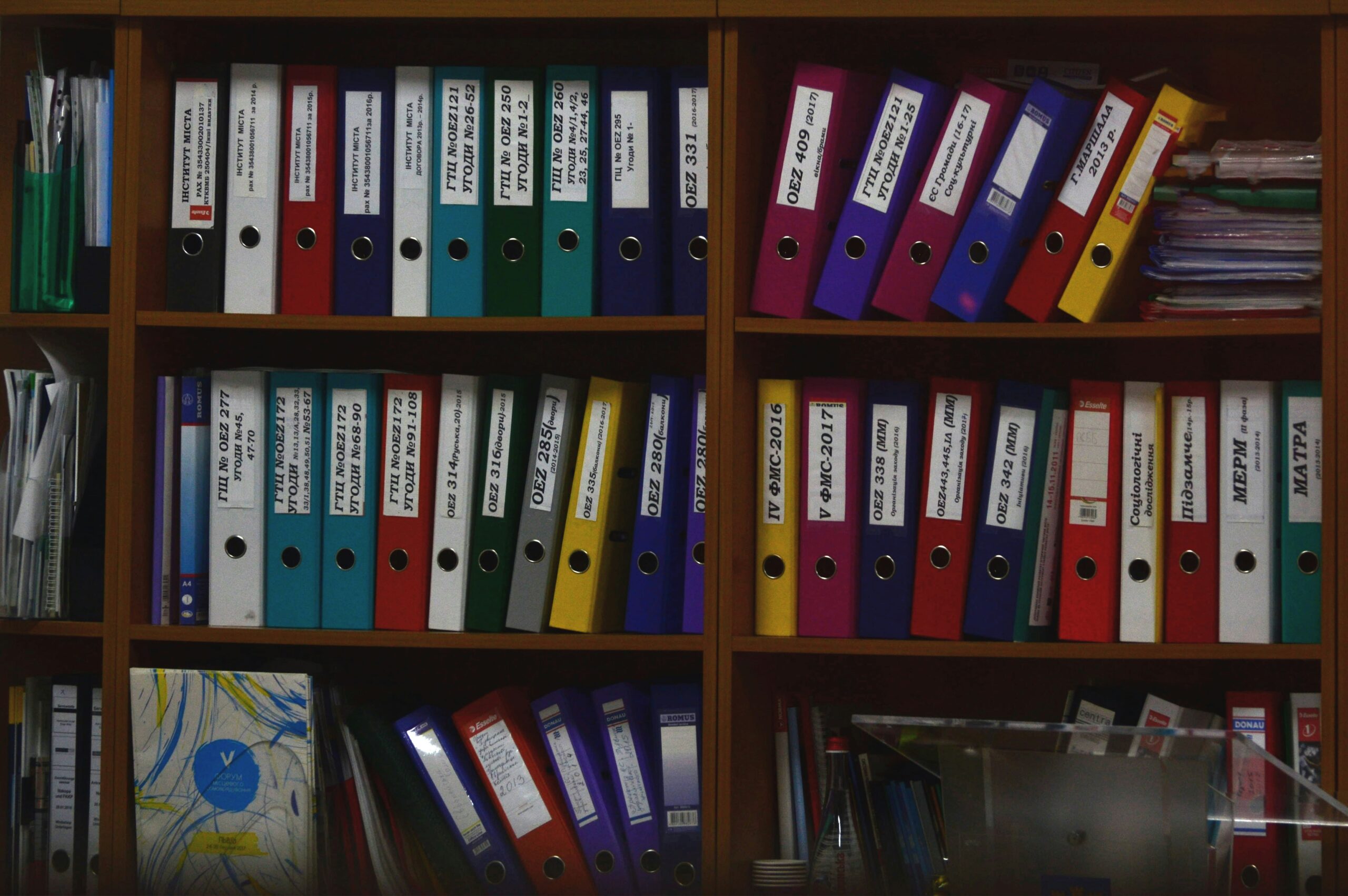
Many retirees expect Spain to function mostly through digital systems. Digital systems exist, but physical paperwork remains important. It is common to be asked for passport copies, rental contracts, bank statements, utility bills, insurance certificates or healthcare registration papers.
A practical folder is not old-fashioned in Spain. It can reduce stress when an office asks for another copy, a bank needs verification, or a utility provider wants proof of address.
Passport, NIE, lease, insurance and bank documents.
Keep cloud and offline copies in case a document is lost.
Save confirmations, reference numbers and office names.
Bring originals when required, but do not lose control of them.

Phone calls and digital systems are often harder than forms
Many retirees can read basic Spanish slowly, but phone calls are different. Automated menus, rapid speech, regional accents and technical vocabulary can make simple tasks feel much harder than expected.
Digital systems can also feel inconsistent. Regional portals, appointment systems, digital certificates, browser problems, Spanish-only instructions and expired links all create friction during the first year.
Very common experience: many retirees understand written Spanish better than live administrative phone calls. Prepare key phrases, documents and reference numbers before calling.
How bureaucracy affects retirees emotionally
The administrative stress is often cumulative. One task may be manageable. Five unresolved tasks, unclear instructions, travel to appointments and official letters in Spanish can become draining.
This is especially true when paperwork is connected to residency, healthcare, banking, property or deadlines. The best approach is to reduce the number of open problems, keep a calm sequence and avoid trying to solve everything in one week.
Best strategy: work one administrative chain at a time: identification, address, banking, utilities, healthcare, then tax and long-term records.

What retirees often discover too late
Not the form itself, but getting the right appointment at the right office.
Even when a process begins online, offices may ask for printed evidence.
Advice from one city may not match another municipality.
Phone calls, official letters and technical terms become tiring over time.
Rushing creates mistakes; a clean folder and sequence often works better.
A gestor or lawyer may save stress for complex, time-sensitive processes.
How retirees usually adapt successfully
Experienced retirees in Spain usually become calmer once they stop expecting everything to work like home. They prepare documents, ask local questions, learn basic administrative Spanish and use professional help selectively rather than for every minor task.
- Keep organized folders for identity, housing, banking, healthcare and tax.
- Carry several printed copies to appointments.
- Arrive early and bring more documents than requested.
- Save appointment confirmations and reference numbers.
- Use a gestor for unfamiliar or high-stakes paperwork.
- Accept that the first year is the hardest administrative year.

Final thoughts
Spanish bureaucracy is one of the least glamorous parts of retirement relocation, but it strongly affects stress levels, confidence and long-term comfort after moving abroad.
The retirees who adapt best are usually not the ones who avoid bureaucracy entirely. They are the ones who understand that the process takes time, organization matters, regional differences exist and administrative stress is normal during relocation.
Spanish bureaucracy becomes much easier when it is treated as part of the full relocation chain. Use the Spain Move Planner to connect NIE, padrón, banking, utilities, healthcare, housing, tax records and first-year setup before the tasks pile up.