Healthcare in Rural Spain for Retirees
Rural Spain can be beautiful, calm and affordable. But healthcare access outside the main cities and coastal retirement areas is not only about whether Spain has good hospitals.
It is about distance, transport, pharmacies, language, paperwork and what happens when a routine appointment becomes a specialist visit in a regional city.
The real rural healthcare question is not national quality
Spain has a strong healthcare system, and many retirees are satisfied once they understand registration, public access, private insurance and local routines. But rural healthcare is judged from the road outside your house on a Tuesday morning when you need a blood test, a prescription renewal or a cardiology appointment.
A village can have a local health centre and still be difficult for retirees if the nearest hospital is far away, the bus schedule is weak, the pharmacy has short hours, or specialist appointments require travel to a larger provincial city.
Use the Spain Move Planner before choosing rural housing. It helps connect healthcare route, padrón, pharmacy access, transport, emergency routes, utilities, banking, documents and first-year setup in one practical checklist.
Rural healthcare can be good, but it is not evenly convenient
The mistake many retirees make is choosing the house first and testing healthcare later. In rural Spain, that order should usually be reversed.
Reality check: a village can feel perfect during a property viewing because the health centre is nearby. The first specialist appointment often changes the picture.
Turn the healthcare test into tasks: use the Spain Move Planner to check hospital routes, pharmacy access, transport, language support and emergency access before the rural property becomes permanent.

How rural healthcare is usually structured
In many rural areas, the first contact point is a local health centre. This may be where you handle general practitioner appointments, basic checks, referrals, prescription renewals and ordinary medical questions.
More complex care is usually handled elsewhere. That may mean a larger town, a provincial hospital or a regional specialist centre. For retirees with chronic conditions, this can become part of normal life rather than an occasional exception.
Often available locally, but check opening hours, language comfort and how appointments are booked.
Often local, but repeat medication should be easy before choosing a remote location.
Usually nearby in towns, less certain in villages. Check distance, closures and emergency cover.
Blood tests may be local, but scans and specialist tests often require travel.
Often in regional hospitals or private clinics rather than the village itself.
Road access, ambulance routes, mobile signal and night driving become part of the healthcare plan.
Emergency care is where rural life becomes serious
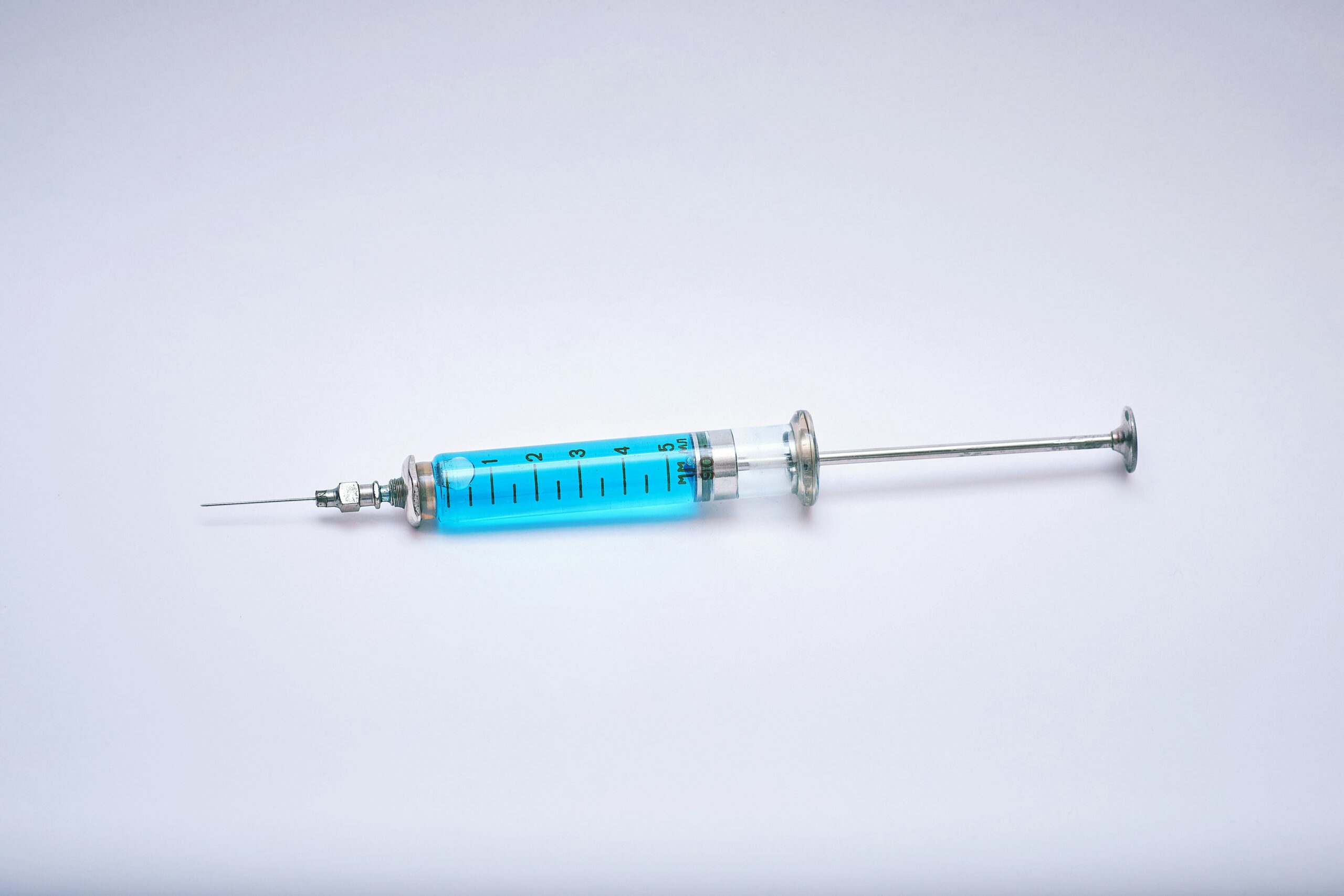
Spain uses 112 for emergencies, but the practical experience can vary depending on distance, terrain, roads, weather, local resources and how easy your home is to find.
Narrow lanes, unclear addresses, steep access roads, poor mobile signal or a long drive to the nearest emergency department can all matter.
Emergency test: the same mountain-view house may feel different at 2 a.m. if one partner has chest pain and the emergency department is 55 minutes away.
Language barriers are stronger outside expat-heavy areas
In coastal retirement areas and larger cities, retirees may find more English-speaking doctors, private clinics, translators and administrative support. In rural Spain, this is less predictable.
Even when a doctor speaks some English, the whole system may not. Reception staff, nurses, pharmacists, ambulance personnel and municipal offices may operate mostly in Spanish or the regional language.
Keep current medication, dosage, allergies and key conditions in Spanish.
Include local and overseas contacts, insurance details and doctor information.
List diagnoses, surgeries, implants, blood type if known and important test history.
Keep paper and digital copies because stress makes language harder.
Language preparation is a setup task: use the Spain Move Planner to include Spanish medical notes, medication lists and emergency-contact details before moving rural.

Pharmacies may matter more than the hospital
Retirees often focus on hospitals, but in everyday rural life the pharmacy may become the most important healthcare service. Pharmacists can help with ordinary medication questions, minor problems, repeat routines and local practical advice.
Before choosing a rural home, check pharmacy distance, emergency cover, medication availability, order timing and what happens before holidays, fiestas and long weekends.
Medication reality: in a city, a missing prescription may be solved by walking to another pharmacy. In a small rural town, it can mean a drive, a wait or a stressful phone call in Spanish.
Private insurance helps, but it does not remove distance
Many retirees use private health insurance in Spain for faster specialist access, English-speaking doctors or peace of mind. Private care can be very useful, especially during the first years, while paperwork, registration and public healthcare access are still being understood.
Private insurance is not magic in rural Spain. Private clinics and hospitals are usually concentrated in cities, larger towns and coastal areas. If your rural home is far from those services, private insurance may reduce waiting time but not travel time.
The nearest private specialist may still be in a regional city.
Private care increases the chance of English support, but rural areas vary.
Urgent care may still take you to the nearest appropriate public facility.
Age limits, exclusions, copayments and pre-existing conditions can change the value.
Insurance is only one layer: use the Spain Move Planner to compare private insurance with actual clinic distance, transport and emergency access.
Transport is healthcare in rural Spain

Transport is not separate from healthcare. In rural retirement, transport is part of healthcare.
A home may be affordable and peaceful because it is away from the centre of town. That same distance can become difficult if one partner stops driving, night driving becomes stressful, or public transport does not match appointment times.
Age-80 test: judge the property from the version of you that may be widowed, recovering from surgery or no longer comfortable driving at night.
Rural Spain is not one healthcare experience
Rural Spain varies enormously. Some towns are practical, connected and close to good hospitals. Others are beautiful but isolated. The difference is rarely obvious from holiday impressions or property photos.
Often have pharmacies, clinics, shops and better transport, though specialists may still require travel.
Can offer quiet living with practical access nearby, but daily life may still depend on driving.
Beautiful setting and cooler summers, but roads and winter weather can matter.
Privacy and space, but emergency access, isolation and transport can become serious issues.
More international services in some areas, but seasonal pressure and car dependence can still affect care.
Quiet living with a real service town, reliable pharmacy, taxis and hospital access within a manageable route.
What retirees often discover too late
Most rural healthcare problems are not obvious during the first property viewing. They appear during the first winter, the first specialist referral, the first medication problem or the first time one partner cannot drive.
Cost reality: cheap rural housing can save money every month, but repeated long medical trips can spend that saving in fuel, taxis, stress and time.
Who should consider rural Spain?
Drive confidently, choose a town near practical services, have manageable health needs, speak some Spanish and test the area outside holiday season.
Need frequent specialists, dislike rural driving, depend on complex medication, expect English support everywhere or want a remote house far from services.
A quiet town near a service centre with pharmacy access, real taxis, a manageable hospital route and some local support.
A remote property where every appointment, prescription, errand and social routine depends on confident driving.
How to evaluate a rural area before moving
Treat healthcare as part of the property inspection. A beautiful house is not enough if the surrounding system does not work.
Test the route to the nearest health centre, emergency hospital and likely specialist city.
Visit the local pharmacy and ask about regular medication, emergency cover and ordering delays.
Check taxis, buses and hospital parking instead of trusting online listings.
Confirm mobile signal, address clarity, access roads, stairs and emergency visibility.
Best question: if you had a specialist appointment every six weeks for the next two years, would this location still feel like a good decision?
After testing the area: add the results to the Spain Move Planner so healthcare, housing, transport, pharmacy access, utilities and emergency setup stay connected.
Common mistakes retirees make
Choose rural Spain for the full system, not only the view
Rural Spain can work well for retirees, but it rewards careful planning. The issue is whether your specific village, road, pharmacy, hospital route and transport setup still work when life becomes less simple.
Related Spain retirement guides
The right rural town can offer peace, lower costs and a strong quality of life. The wrong one can turn ordinary healthcare into a constant logistical problem. Use the Spain Move Planner to connect rural healthcare, transport, pharmacy access and housing before committing.