Getting Around France as a Retiree
Getting around France as a retiree is not only about trains, buses or buying a car. It is about whether your daily life still works when you need a pharmacy, a hospital appointment, a supermarket, a train station, a reliable taxi, a walkable street and a realistic backup plan.
France has one of Europe’s strongest transport networks, but retirees should not assume that every French town is easy without a car. Transport works very differently in Paris, regional cities, coastal towns, rural villages and small market towns.
The best retirement locations in France usually give you several options: walking for daily errands, trains for regional travel, buses or trams for local movement, and a car only when it genuinely improves life rather than holding the whole retirement plan together.
The Big Retirement Transport Question
The most important transport question is not “Can I drive in France?” It is this:
Can you still live comfortably if driving becomes harder?
Many retirees arrive healthy and confident behind the wheel. Ten or fifteen years later, one partner may stop driving, night driving may become stressful, medication may affect confidence, or rural roads may feel more tiring than expected.
Best setup
A walkable town or city with trains, healthcare, groceries, pharmacies and cafés within realistic reach.
Risky setup
A cheap house outside a village where every appointment, shop visit and social routine depends on a car.
Hidden issue
Transport problems often appear after illness, widowhood, car repairs or when one person no longer wants to drive.
Practical rule: before choosing a French location, test the weekly transport routine: groceries, pharmacy, doctor, train station, social life and emergency access.
Trains in France: Excellent, but Not a Complete Daily-Life Solution
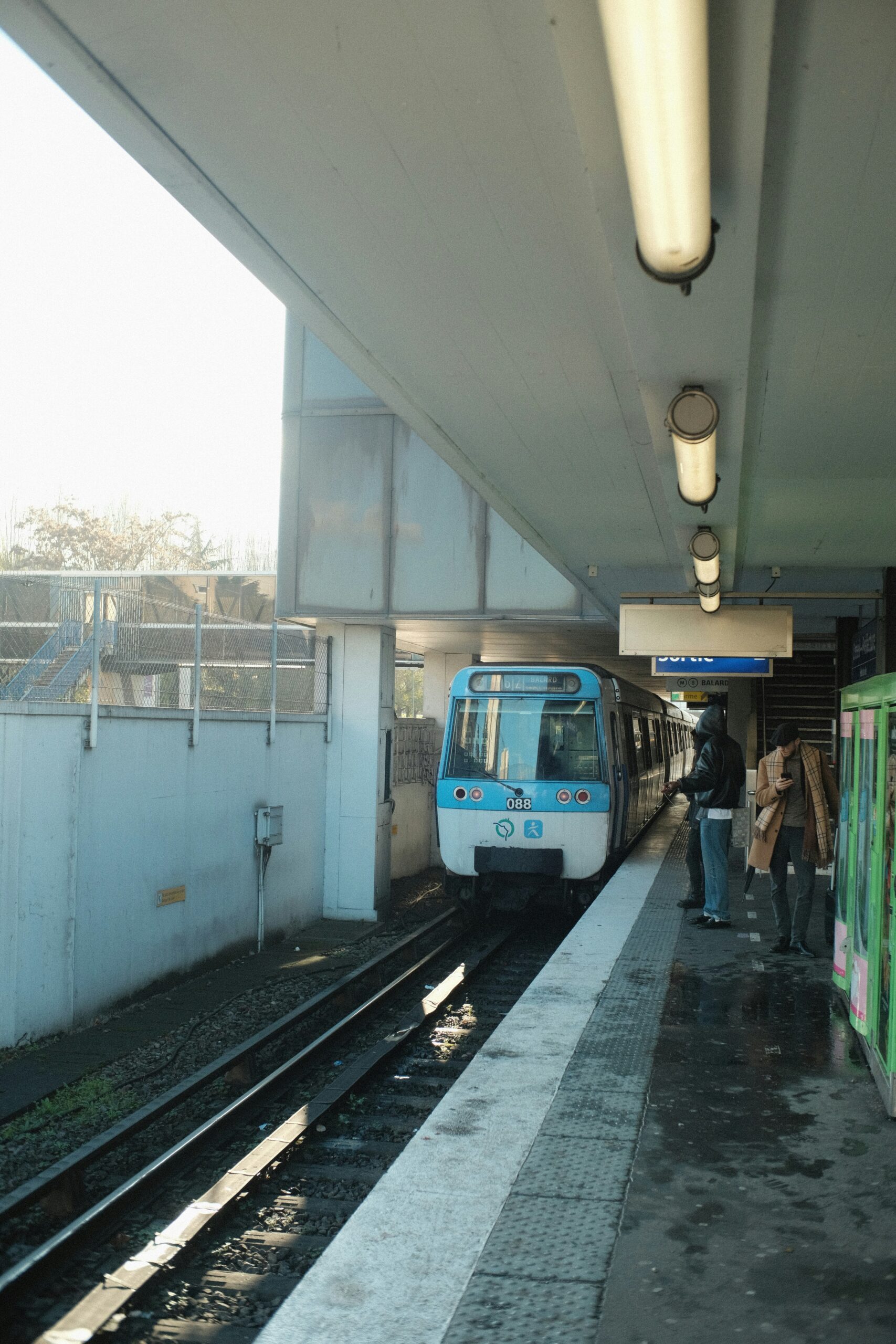
France’s train network can be excellent for retirees. High-speed TGV routes connect major cities, Intercités cover important long-distance routes, and TER regional trains can make smaller cities and towns much more practical than they look on a map.
For retirement planning, trains matter because they help with:
- specialist medical appointments in larger cities
- airport access
- family visits
- regional travel without driving long distances
- living in a smaller town without feeling trapped
- reducing dependence on one household car
But trains do not solve everything. A town can have a station and still have limited schedules, poor evening service, stairs without easy alternatives, weak bus connections from the station or expensive taxis at the other end.
For retirees over 60, rail discount cards can reduce some travel costs, but the real value depends on how often you travel and whether the routes you use are covered. Always check your actual journey patterns rather than assuming a discount card automatically makes transport cheap.
Real-life problem: a retiree may live “near a train station” but still need a car because the station is uphill, has limited service, lacks good local buses or is too far from the hospital they actually use.
Buses, Trams and Local Transport
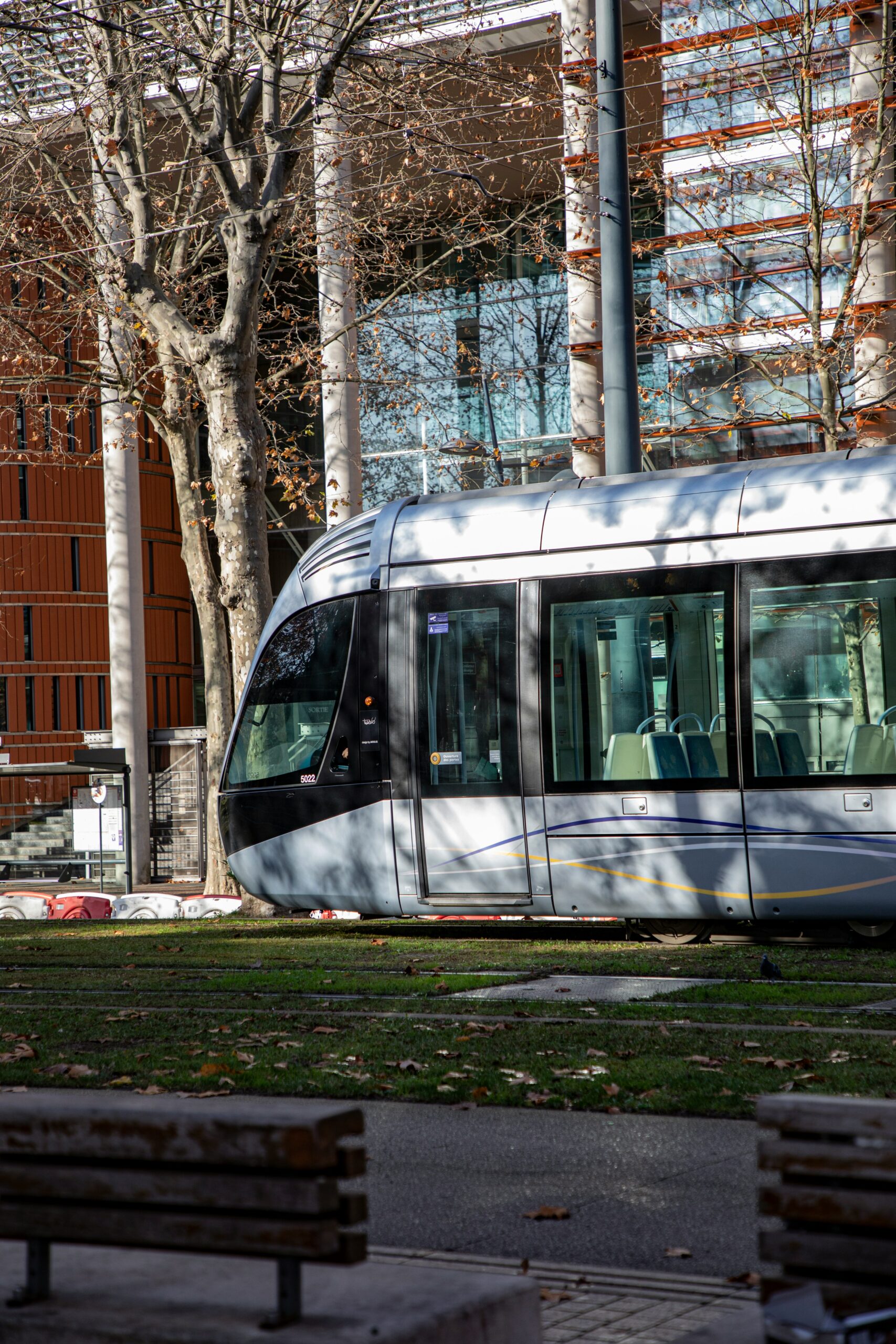
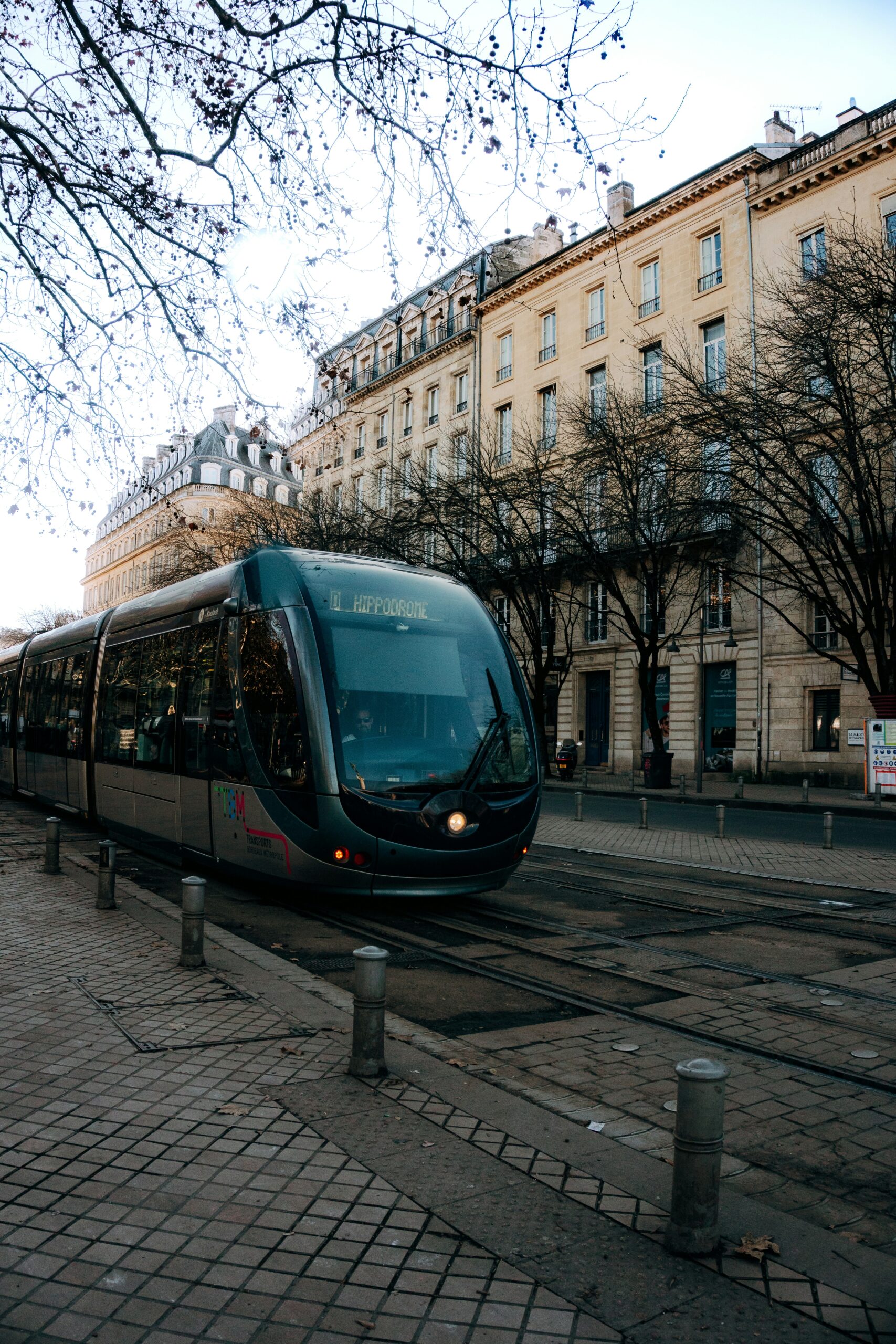
Local transport varies enormously across France. Large cities usually have strong bus, tram or metro networks. Medium-sized cities often have workable bus or tram systems. Rural areas can have limited buses that are useful for school or market routines but not always convenient for retired daily life.
Before relying on local transport, check:
- frequency outside school hours
- evening and weekend service
- whether buses run during school holidays
- whether the route reaches doctors, hospitals and supermarkets
- whether stops are close enough to walk to safely
- whether the service works in bad weather
- whether tickets are easy to buy without fluent French
Many retirees discover that local buses are useful occasionally but not strong enough to replace a car in rural or semi-rural areas. In compact cities, however, buses and trams can make retirement far easier.
| Location type | Transport reality | Retirement risk |
|---|---|---|
| Paris and major cities | Strong networks, but crowds, stairs, strikes and complexity can still matter. | Medium |
| Regional cities | Often a good balance of buses, trams, trains and walkable services. | Lower |
| Small towns with stations | Can work well if services are close and train schedules are useful. | Medium |
| Rural villages | Usually car-dependent unless very carefully chosen. | Higher |
Driving in France: Useful, but Not Free of Friction

Driving can make France much easier, especially in rural areas, smaller villages and regions where public transport is limited. A car gives access to supermarkets, doctors, beaches, countryside, family visits and emergency flexibility.
But car ownership in France brings paperwork and costs. Retirees should budget for:
- insurance
- fuel
- maintenance and repairs
- tyres
- parking
- tolls on autoroutes
- vehicle inspections where required
- registration paperwork
- Crit’Air requirements in low-emission zones
Driving is usually most valuable when it adds freedom. It becomes a problem when the whole retirement location collapses without it.
Aging reality: if a location only works with two confident drivers, it may not be a safe long-term retirement choice. Plan what happens if one person stops driving.
Crit’Air and Low-Emission Zones
Retirees who drive in or near French cities need to understand Crit’Air. These vehicle stickers classify vehicles by emissions and can be required in low-emission mobility zones or during certain pollution-control measures.
This matters especially if you:
- bring an older car to France
- buy a used diesel vehicle
- visit larger cities by car
- live near a low-emission zone
- need to drive to hospitals in urban areas
- expect family to visit by car from another country
The mistake is assuming that a car is only a local village tool. If your medical appointments, airport trips or family visits involve larger cities, low-emission rules can become part of your real transport life.
Practical warning: if you are buying or importing a car, do not only check price and mileage. Check whether the car fits the cities and routes you may need later.
Walking: The Most Underrated Transport System
For retirees, walking is not just exercise. It is transport. A walkable French town can reduce car costs, improve social contact, support independence and make daily life more resilient.
A good walkable retirement location should include:
- pharmacy within realistic walking distance
- grocery store or market nearby
- flat or manageable streets
- safe crossings and pavements
- cafés and social routines
- public transport connections
- medical labs or clinics within reach
- housing that does not require difficult stairs
Pretty historic towns can be tricky. Cobblestones, steep lanes, poor pavements, lack of lifts and difficult parking can become major issues later in retirement.
Healthcare Access Should Decide Your Transport Plan
Transport and healthcare are connected. A beautiful town is less useful if every specialist appointment requires a long drive, two buses, a difficult transfer or expensive taxi.
Before choosing a location, test the medical transport route:
- nearest pharmacy
- nearest general practitioner
- nearest medical lab
- nearest emergency department
- nearest specialist hub
- realistic transport if you cannot drive
- taxi availability during evenings or weekends
- travel time during winter weather or tourist season
Many retirees do not need frequent hospital care when they arrive. But retirement planning should be built for the version of life where appointments, prescriptions and urgent care become more important.
Rural France: Transport Is the Price of Cheap Housing
Rural France can be beautiful and affordable, but transport is often the hidden price. A village house may be cheap because daily life depends on driving.
Rural retirees should budget and plan for:
- car ownership
- fuel and repairs
- longer trips for groceries
- limited bus schedules
- medical appointments in larger towns
- weather-related driving stress
- reduced independence if one person stops driving
- social isolation if routines require transport
This does not mean rural France is a bad choice. It means the transport plan must be honest. A rural retirement can work well for active retirees who speak French, drive confidently and choose a village close to a practical town.
Airport Access and Family Visits
Airport access matters more than many retirees expect. At first, you may imagine family visiting often. Later, you may need to travel for family emergencies, medical reasons, bereavement or administrative matters in your previous country.
When comparing places in France, check:
- nearest airport with practical routes
- whether trains reach the airport without too many changes
- whether flights operate year-round or only seasonally
- taxi cost if arriving late
- how visiting family will reach your home without a car
- whether winter schedules reduce travel options
A remote house can feel peaceful until a family member arrives late at night, the airport is two hours away and the only realistic option is for you to drive.
Transport Costs Retirees Forget
| Cost | Why it matters |
|---|---|
| Car insurance | Can vary depending on vehicle, location, history and cover level. |
| Fuel | Rural life often uses more fuel than expected. |
| Repairs | Older vehicles and rural driving can create unpredictable garage bills. |
| Tolls | Autoroute travel can be comfortable but expensive on longer routes. |
| Parking | City and coastal parking can become a regular cost and stress point. |
| Taxis | Useful for medical trips, but not cheap if used frequently. |
| Train discounts | Potentially valuable, but only if they match your real journeys. |
| Mobility changes | When driving becomes harder, transport costs can shift to taxis, deliveries and location changes. |
Best Transport Setups for Retirees in France
Best overall
A medium-sized city with walkable services, trains, buses or trams, healthcare and manageable housing.
Best low-stress option
A compact town centre where groceries, pharmacy, cafés and doctors are within walking distance.
Best rural compromise
A village close to a larger service town, with one car and a clear backup plan.
Worst long-term setup
A remote property where every errand, appointment and social activity depends on driving.
Final Thoughts
Getting around France as a retiree is about independence. Trains, buses and cars all matter, but the best transport plan is the one that still works when life changes.
For most retirees, the safest France retirement location is not the cheapest property or the prettiest village. It is the place where you can reach groceries, healthcare, social life and regional transport without turning every ordinary task into a project.
Estimate Your France Retirement Budget
Use the France retirement calculator to test how transport, housing, healthcare, utilities and daily living costs affect your long-term retirement plan.
Open France Retirement Calculator