Driving in France as a Retiree
France is an excellent country for driving, but daily reality is very different from a holiday road trip. Retirees quickly discover that toll roads, narrow streets, parking damage, paperwork, inspections and local driving culture matter far more than scenic countryside drives.
Most retirees moving to France underestimate how much their quality of life depends on transportation setup. A car can create enormous freedom in France, especially in smaller towns and rural regions, but it also introduces costs, bureaucracy and stress that become part of everyday life.
France has some of the best roads in Europe, but the driving experience changes dramatically depending on where you live. Driving around Provence vineyards or Atlantic coastal roads is very different from dealing with medieval village streets, Paris périphérique traffic or endless countryside errands.
Many retirees arrive expecting:
- quiet scenic roads
- easy parking
- cheap fuel
- simple paperwork
- stress-free village driving
The reality is usually more mixed:
- tight parking spaces
- frequent toll roads
- small scratches and bumper damage
- complicated registration paperwork
- aggressive urban traffic in larger cities
- long rural drives for basic errands
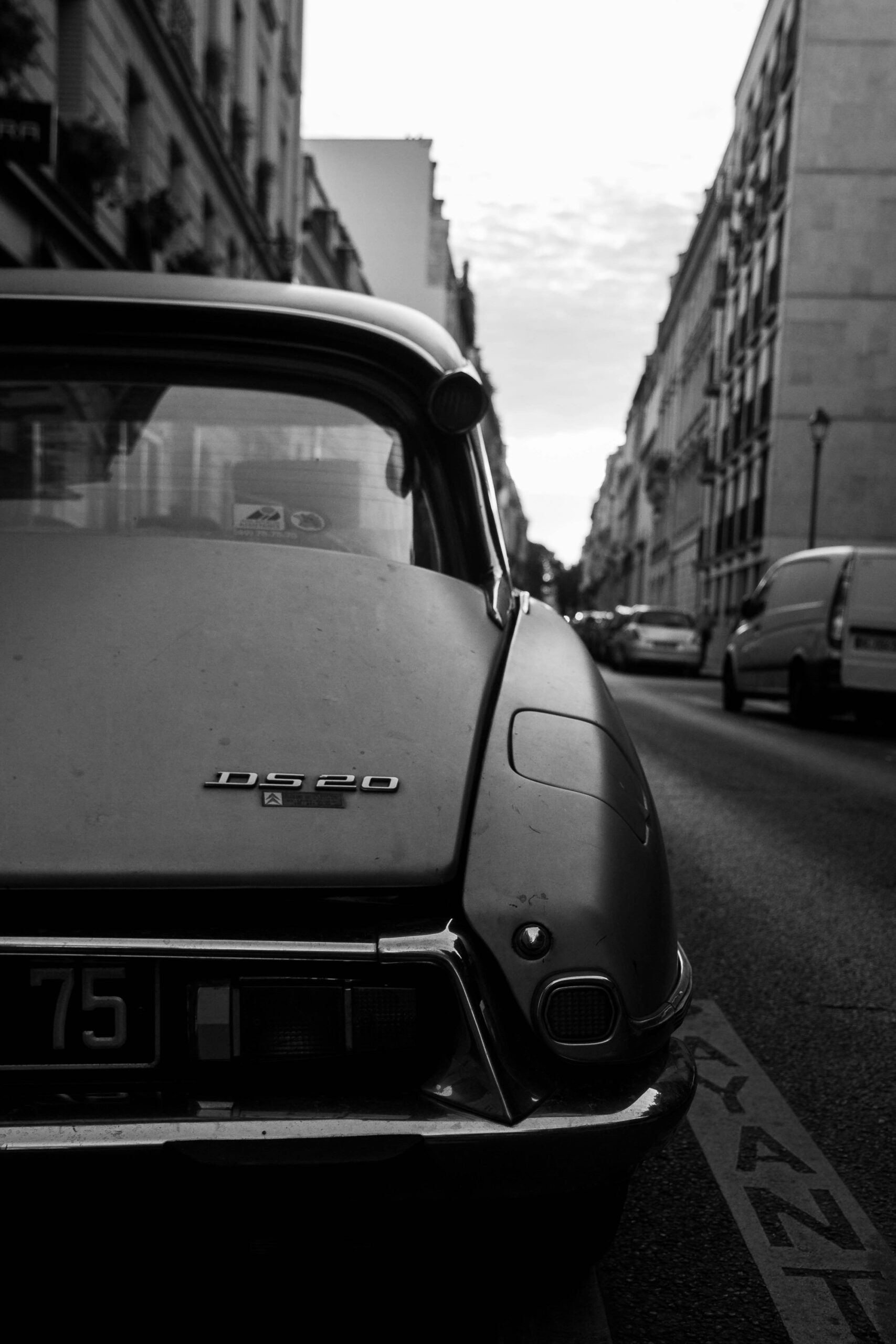
Documents You Should Always Have in the Car
French police controls are normal and usually professional. During roadside checks, retirees may be asked for documentation immediately.
You should normally keep:
- driving licence
- passport or ID
- vehicle registration papers
- insurance documents
- Crit’Air certificate if required in your area
France also requires certain emergency items in the vehicle:
- reflective safety vest
- warning triangle
Many retirees are surprised that French administration expects paperwork to be available immediately. “I’ll email it later” is not how the system usually works.
Crit’Air and Low-Emission Zones
Several French cities now use environmental driving zones called ZFE areas. These zones may require a Crit’Air sticker and can restrict older vehicles.
Retirees often encounter this issue when:
- bringing an older car from abroad
- buying a cheap used diesel vehicle
- driving into larger cities
- living near expanding urban zones
This catches many newcomers by surprise because rural France may feel completely unrestricted, while nearby cities operate under very different rules.
Parking Reality in France
Parking becomes one of the biggest daily frustrations for many retirees.
Historic French towns were not designed for modern vehicles. In practice this means:
- extremely narrow parking spaces
- tight underground garages
- street parking damage
- limited visitor parking
- seasonal tourist congestion
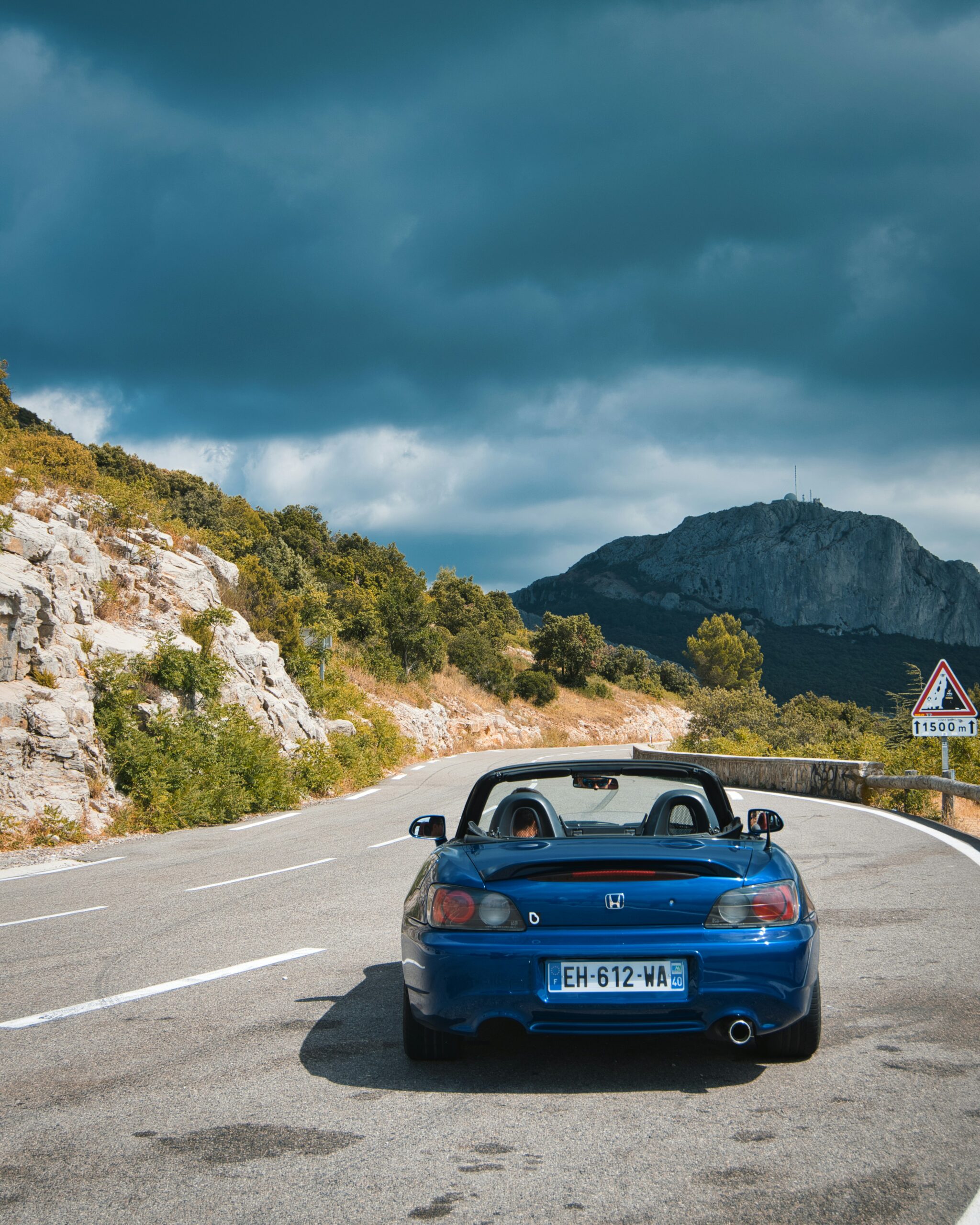
One thing many newcomers notice quickly is how common small scratches and bumper damage are on French city cars. Parallel parking in tight streets is normal daily life, especially in older urban areas.
A large SUV that feels comfortable in rural America or Northern Europe can become exhausting in medieval French towns.
Toll Roads Can Add Up Quickly
French motorways are excellent, but many are toll roads (péage). Long-distance driving is smooth and fast, but frequent motorway use becomes expensive surprisingly quickly.
Retirees commonly use toll roads for:
- airport trips
- hospital visits
- regional travel
- visiting family
- moving between seasonal locations
A retirement property that looks “cheap” on paper can become less attractive if every larger errand requires expensive motorway driving.
Insurance Costs and Claims
Car insurance in France varies heavily depending on:
- vehicle type
- urban vs rural location
- parking situation
- driving history
- French insurance history
Some retirees discover that:
- urban insurance is far more expensive
- larger cars cost significantly more
- older imported vehicles may create paperwork problems
- parking damage claims are common
France is not uniquely dangerous for drivers, but urban parking culture is noticeably more physical than in some Northern European countries.
Rural Driving Changes Retirement Life
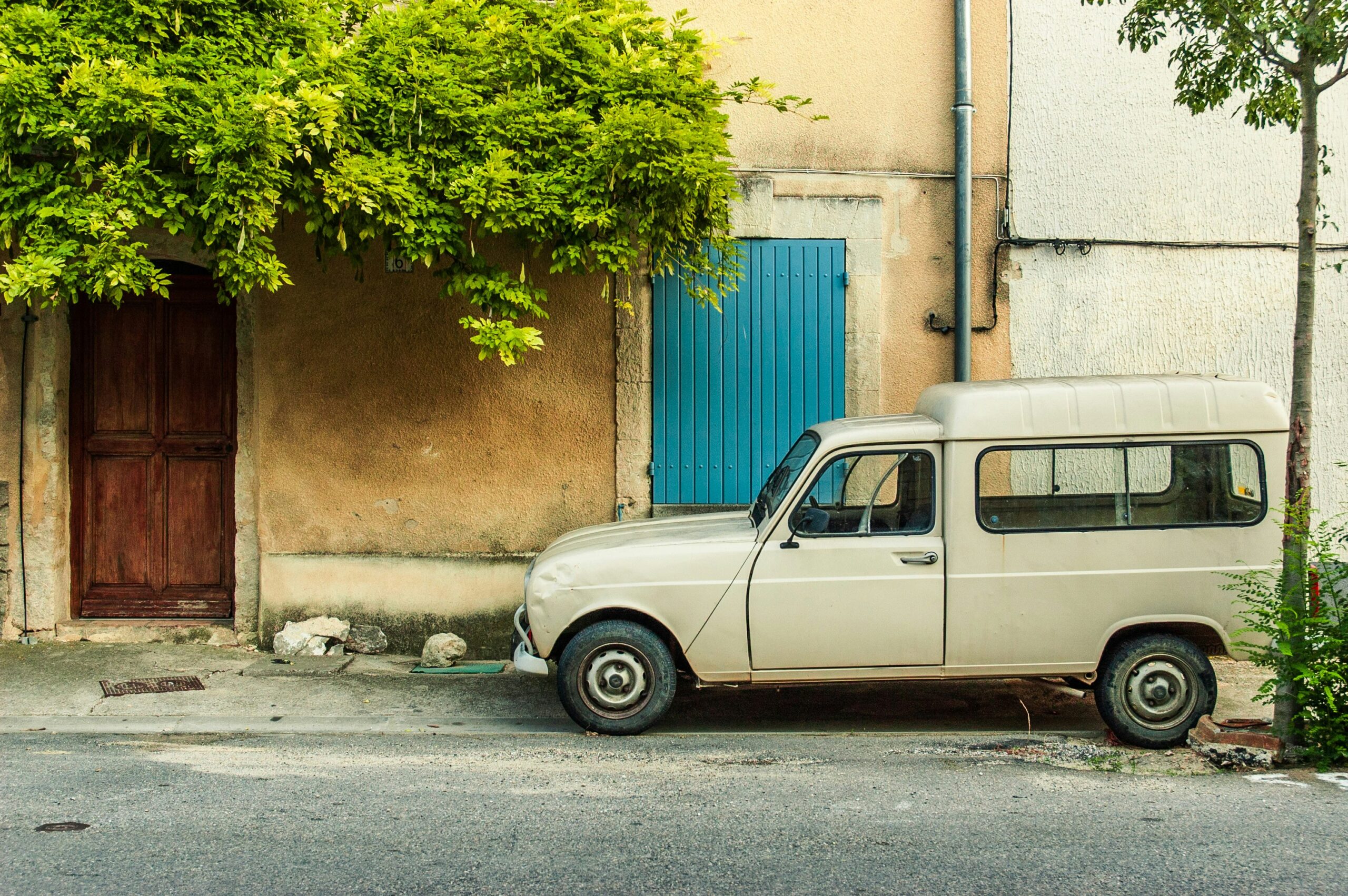
Rural France is one of the biggest retirement dreams on the internet. What many people fail to calculate is the driving load attached to rural life.
Daily reality may involve:
- 45 minutes to specialists or hospitals
- long grocery drives
- limited evening transportation
- dark rural roads
- fog, rain and winter driving
- constant dependency on the vehicle
During vacations this feels romantic. During permanent retirement life it can become exhausting, especially later in life.
Contrôle Technique and Vehicle Condition
France uses vehicle inspections called contrôle technique. Retirees bringing older vehicles into France are often surprised by how strict certain issues can become.
Common inspection problems include:
- lights and indicators
- tyres
- brakes
- rust
- windshield damage
- emissions issues
Parts availability is usually good for common European brands, but imported or unusual vehicles may become expensive to maintain.
Many retirees eventually discover that smaller practical French or European cars are easier and cheaper to live with than large imported vehicles.
French Driving Mentality
French drivers are not necessarily aggressive, but they are often more assertive than retirees from quieter rural regions may expect.
Common observations include:
- faster motorway driving
- tight lane changes
- scooters filtering through traffic
- heavy roundabout use
- limited patience for hesitation in cities
Most retirees adapt quickly, but the first months can feel stressful in dense urban environments.
What Makes Driving in France Easier Long Term?
The retirees who remain happiest long term usually avoid extreme transportation setups.
Successful locations often combine:
- good walkability
- reasonable parking
- public transportation backup
- moderate driving distances
- nearby healthcare
- manageable traffic stress
France works best when driving is one tool among several mobility options, not the only thing keeping daily life functioning.
Final Thoughts
Driving in France can be one of the great pleasures of retirement life. The country is beautiful, road infrastructure is strong and regional travel is excellent.
But long-term retirement success depends less on scenic drives and more on everyday practicality:
- parking stress
- toll costs
- insurance
- vehicle inspections
- healthcare access
- rural dependency
- urban congestion
The strongest retirement plans in France are usually the ones where the car adds flexibility instead of becoming a permanent logistical burden.