Hidden Costs of Owning Property in France for Retirees
Buying a home in France can look surprisingly affordable on paper. The problem is that the purchase price is only one part of the retirement budget.
Heating, repairs, taxes, insurance, diagnostics, septic systems, humidity and contractor availability can change the real cost of ownership dramatically.
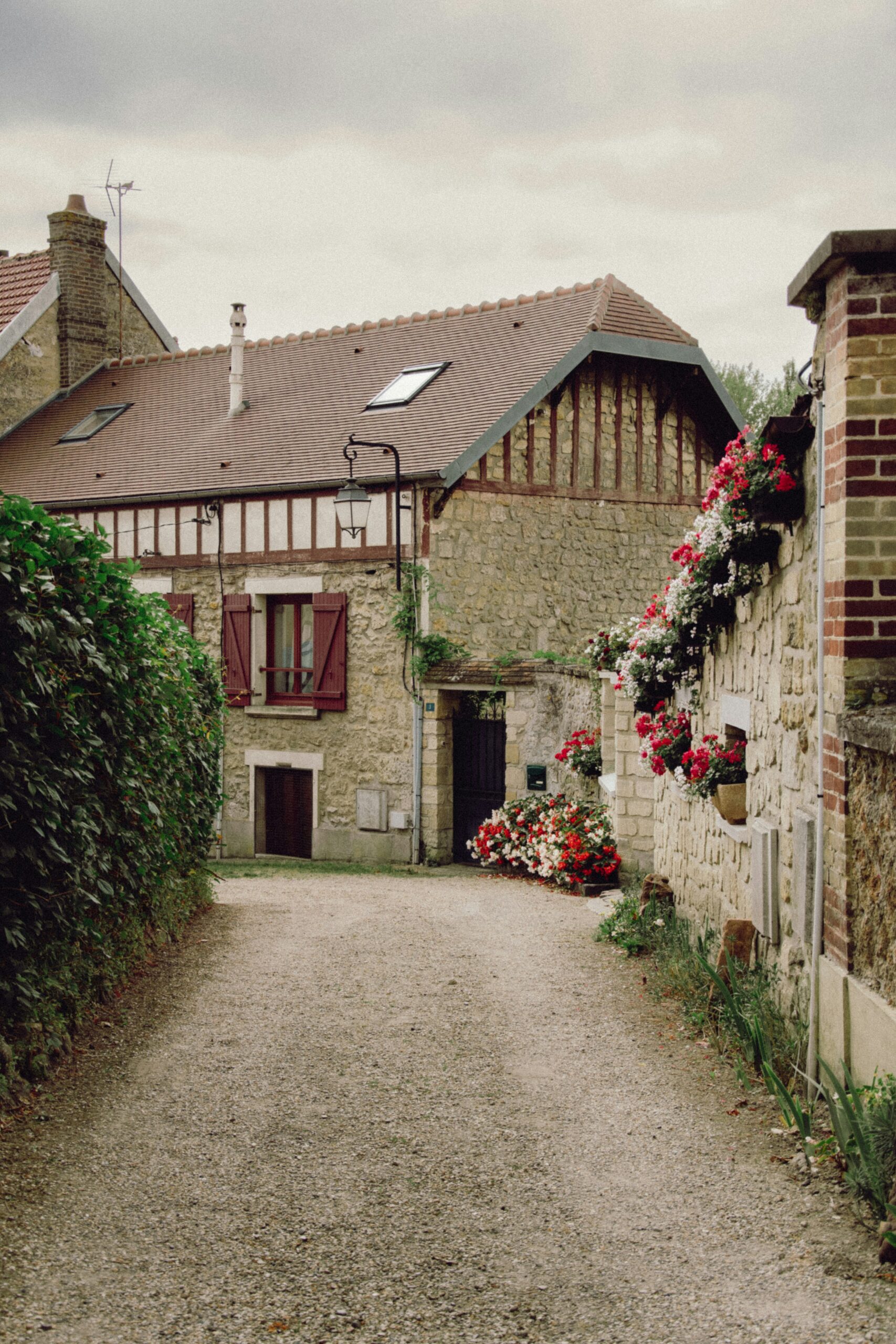
One of the biggest mistakes retirees make is comparing only the purchase price. A stone house in rural France may look much cheaper than an apartment in a popular coastal town, but the long-term ownership costs can be very different.
The risk is not simply that France is expensive. The risk is that costs are uneven. A well-located apartment in a walkable town may be predictable. A large older house in the countryside may be affordable to buy but costly to heat, repair and manage as you age.
The hidden costs usually appear after the first year
Many costs do not become obvious during the viewing, the notaire process or the first few weeks after moving in. They appear once the first winter arrives, the first tax notice lands, the first contractor quote arrives or the first storm exposes a roof or drainage problem.
Retirees buying in France should pay particular attention to:
- heating bills in winter, especially in older stone houses
- insulation, windows, shutters and roof condition
- DPE energy rating and renovation implications
- taxe foncière and local charges
- home insurance and storm or flood exposure
- septic tank inspections and upgrade obligations
- humidity, mold and ventilation problems
- contractor availability in rural areas
- garden, pool, chimney and outbuilding maintenance
- transport costs if the house is not walkable
Spending too much of the relocation budget on the purchase itself leaves too little reserve for the first winter, essential repairs and French administrative costs.
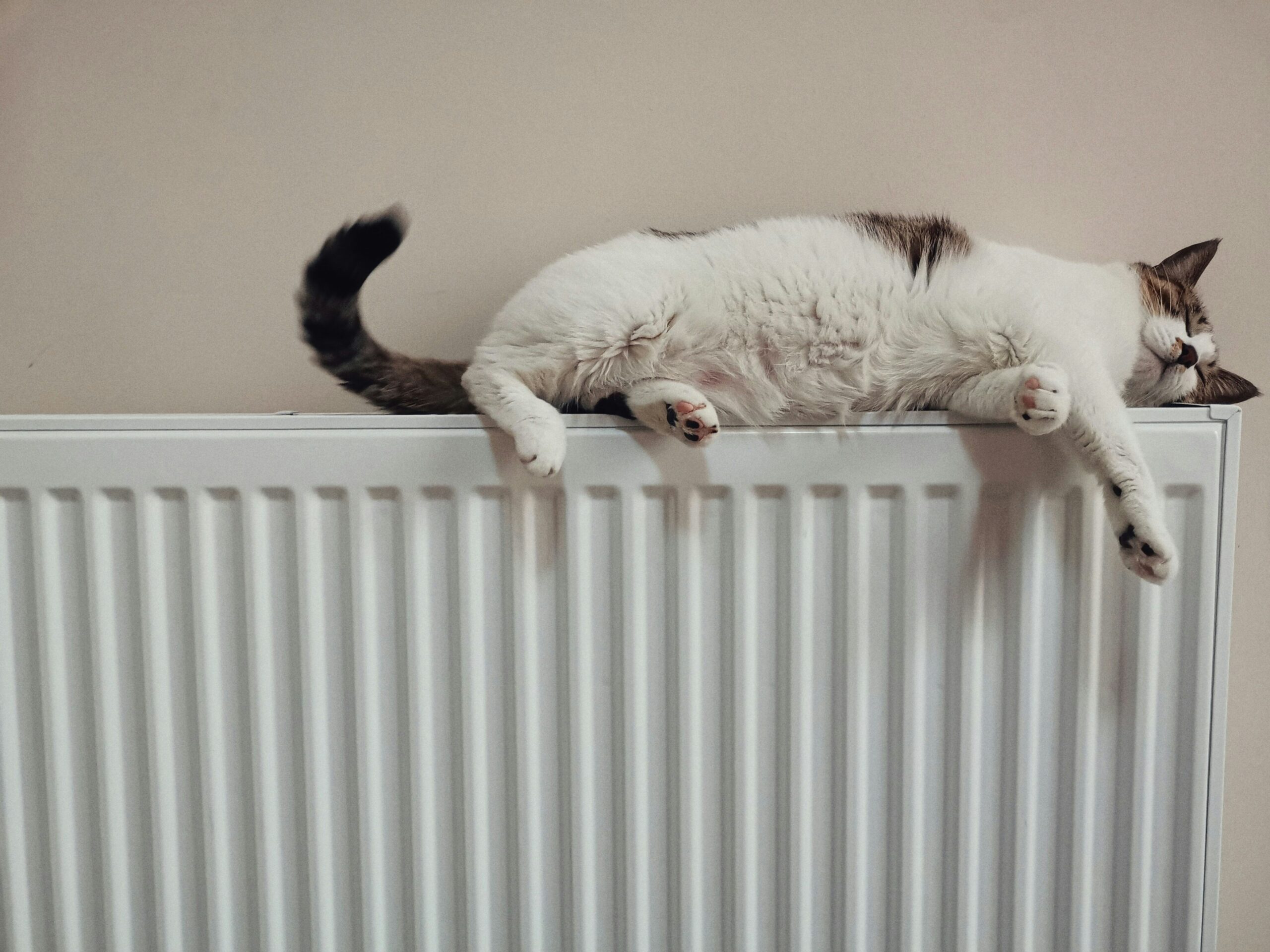
Heating can become the biggest ownership shock
Many older French homes were not built for modern comfort expectations. Thick stone walls can look charming in summer, but they may feel cold and damp from November to March if the property has weak insulation, old windows or inefficient electric heating.
The issue is not only the monthly bill. It is the combination of cost and comfort. A house can technically be affordable while still being unpleasant to live in during winter.
What to check before buying
- the DPE energy rating and date of the report
- roof insulation and loft access
- window type, drafts and shutter condition
- heating fuel type: electric, oil, gas, wood, heat pump or mixed system
- realistic winter bills from the current owner
- whether heating only works well in part of the house
In France, the DPE is part of the broader property diagnostics file. It is not just a formality. For retirees, it is a practical warning about likely comfort, energy use and future renovation pressure.
A smaller, better-insulated apartment in a town can sometimes be cheaper to live in than a much cheaper house with a poor heating setup.
Old houses need a repair budget, not just a purchase budget
Rural French houses often come with roofs, outbuildings, stone walls, shutters, chimneys, drainage systems, barns, wells, terraces or large gardens. These can be part of the charm, but they also create ongoing responsibility.
Typical ownership costs may include:
- roof repairs or gutter replacement
- stone wall repointing
- wood rot and shutter repairs
- electrical modernization
- plumbing repairs
- chimney sweeping and stove maintenance
- drainage improvements
- garden clearance and tree work
- professional help for heavy maintenance
A house that looks manageable at 62 may feel very different at 76. This is why property choice in France should be treated as a long-term retirement decision, not just a lifestyle dream.
If the property only works because you can currently drive everywhere, climb stairs easily, maintain a large garden and chase contractors in French, it may not be a resilient retirement home.
Taxes, insurance and local charges continue every year
Retirees sometimes think of home ownership as a way to reduce monthly costs once the property is paid for. That can be true, but France still has recurring ownership costs.
Annual and recurring costs may include:
- taxe foncière
- home insurance
- waste collection charges
- co-ownership fees for apartments
- garden maintenance
- pool maintenance if applicable
- chimney servicing
- security, alarm or second-home monitoring costs
- professional help during absences
Taxe foncière varies by commune and property type. A retiree comparing two houses should not assume the smaller-looking village bill will always be trivial. Ask for recent tax notices before making an offer.
| Cost area | Why retirees miss it | What to ask before buying |
|---|---|---|
| Taxe foncière | It arrives after ownership and varies locally. | Ask for the latest bill and check whether local rates have changed. |
| Heating | Summer viewings hide winter reality. | Ask for actual winter bills and inspect insulation. |
| Insurance | Older homes, flood zones and rural properties can cost more. | Get insurance quotes before completion. |
| Septic system | Many rural homes are not connected to mains drainage. | Ask for SPANC records and potential upgrade requirements. |
| Contractors | Repair timing can be slow in rural areas. | Ask local residents how long tradespeople usually take to respond. |
Septic systems can become a major rural cost
Many rural French homes are not connected to mains drainage. Instead, they use an individual sanitation system, often referred to as assainissement non collectif. This is controlled locally through SPANC inspections.
Retirees should be careful here because an older septic system may work in daily life but still fail inspection or require improvement after a sale.
Questions to ask
- Is the property connected to mains drainage?
- If not, when was the last SPANC inspection?
- Was the system marked compliant or non-compliant?
- Is upgrade work expected after purchase?
- Where is the tank and drainage field located?
- Will future building work be affected by the system?
A non-compliant system can create thousands of euros of work and may affect how easy the property is to resell later.
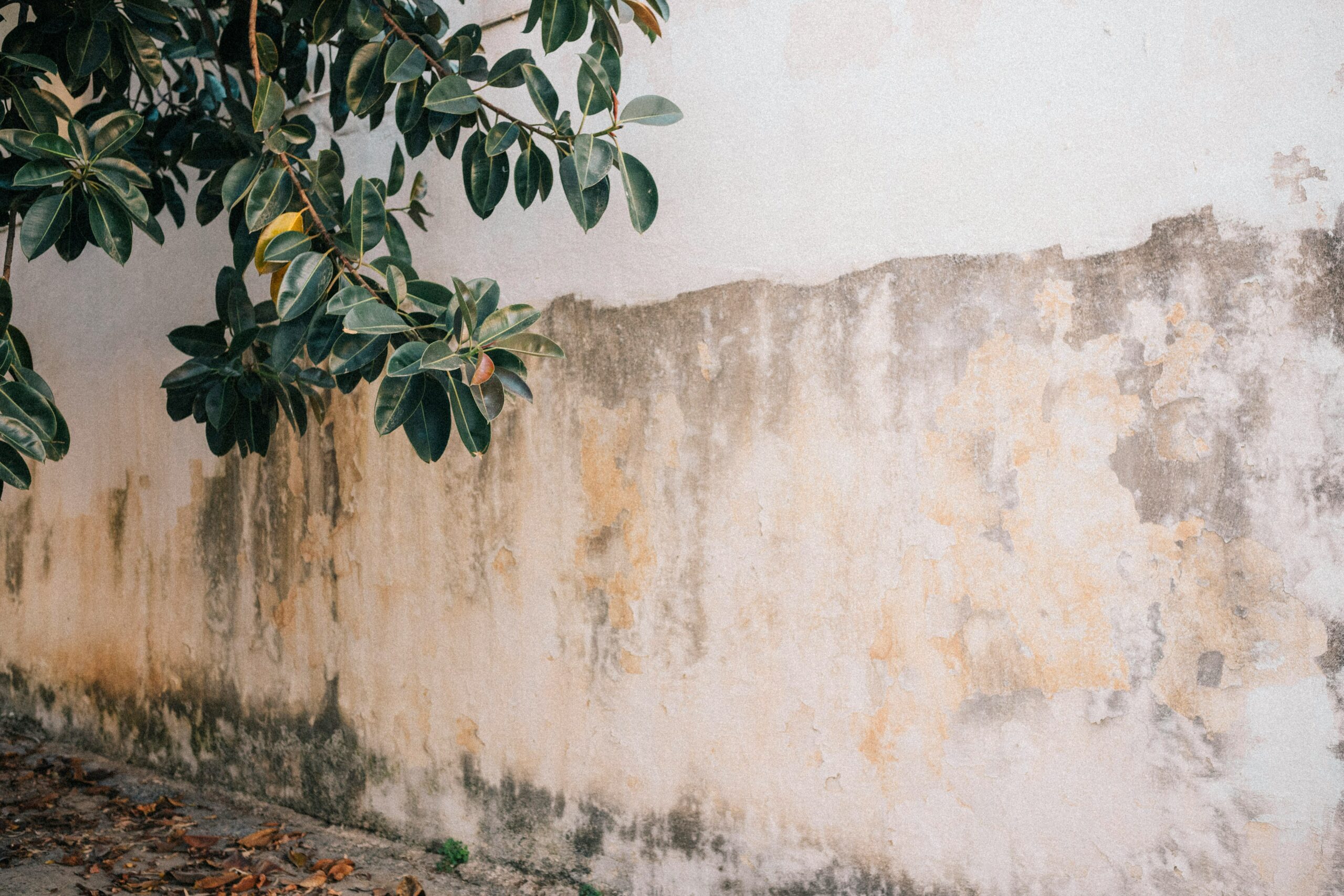
Humidity and mold are more common than many buyers expect
Damp is a practical issue in many older properties, especially in regions with wet winters, thick stone construction, poor ventilation or limited heating. The problem is often hidden during a sunny viewing.
Retirees may discover:
- condensation behind furniture
- cold external walls
- mold in bedrooms or storage rooms
- poor bathroom ventilation
- damp cellars or ground-floor rooms
- the need to run dehumidifiers for months
This does not mean all older French homes are bad purchases. It means retirees should inspect them realistically, especially if they are sensitive to respiratory issues or want low-maintenance living.
Rural contractor shortages can turn small repairs into long delays
In some rural areas, finding reliable tradespeople can take longer than expected. Roofers, heating engineers, electricians and builders may be booked months ahead, and communication can be difficult if your French is limited.
This matters because retirees often need repairs quickly. A heating failure, roof leak or drainage issue is not just an inconvenience when you live in the property full-time.
Before buying, test the local repair reality
- ask neighbours who they use for roof, plumbing and heating work
- check whether local contractors answer calls and emails
- ask your agent about typical wait times, but verify independently
- consider whether you can manage repairs in French
- keep an emergency fund for urgent work
A cheap rural house can increase transport costs
Property costs are not only about the building. Location changes the budget too. If the house requires a car for every doctor visit, pharmacy trip, supermarket run and social activity, the monthly cost of retirement rises.
This is why a more expensive home in a walkable town may be cheaper and easier long-term than a cheaper property in an isolated hamlet.
- fuel costs
- car insurance
- maintenance and repairs
- parking costs
- taxi costs when you cannot drive
- difficulty accessing healthcare later in life
The right French property is not always the prettiest or cheapest. It is the one that still works when you are older, less mobile and less interested in constant maintenance.
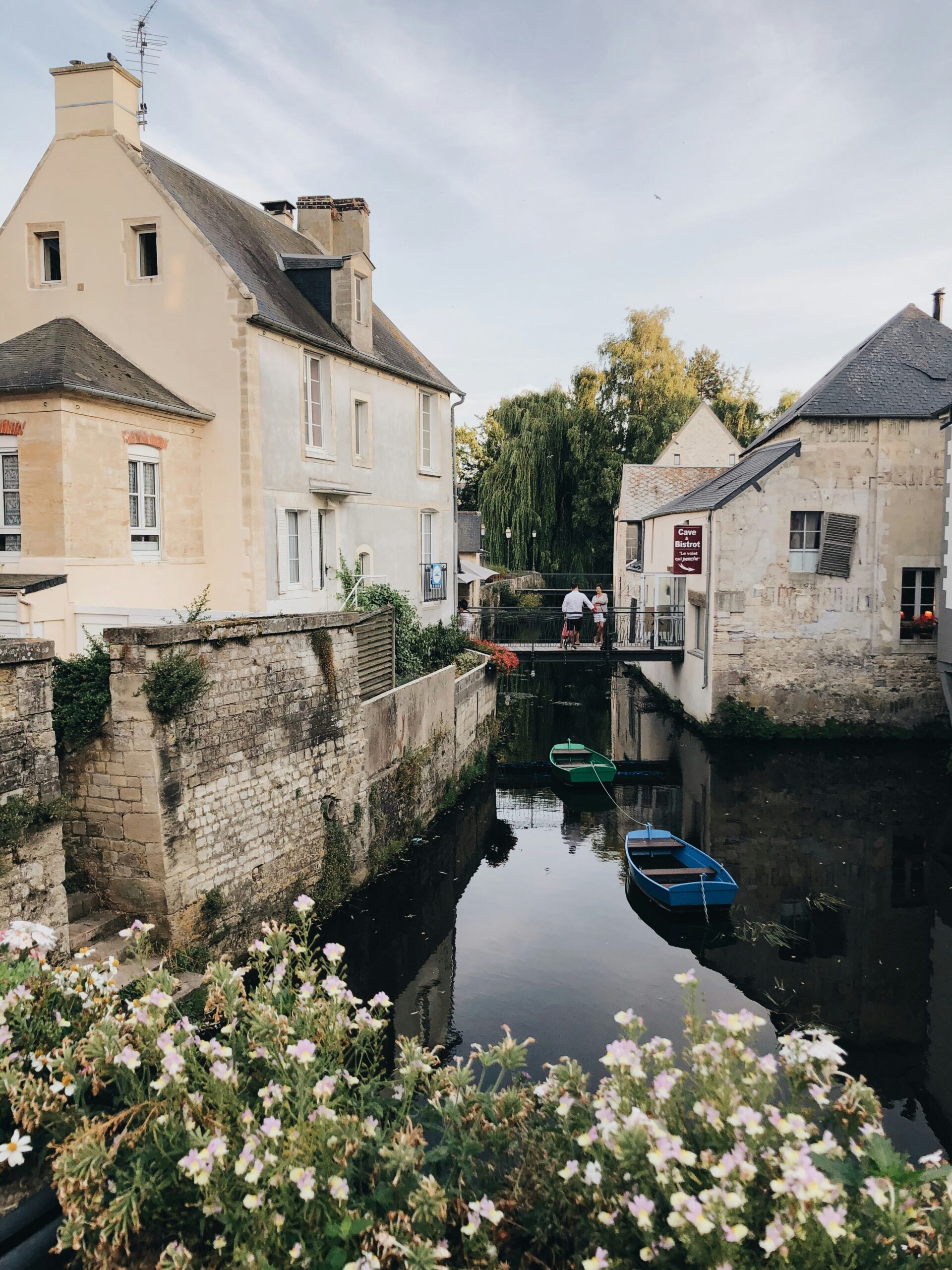
Apartment living can sometimes be the smarter retirement choice
Many retirees arrive in France dreaming of a detached house with land. Some later move into apartments because the ongoing work becomes too much.
A well-located apartment can reduce:
- roof responsibility
- garden upkeep
- heating costs
- rural isolation
- driving dependency
- emergency repair stress
Co-ownership fees still matter, and apartment rules should be checked carefully. But for many retirees, predictability and location are worth more than owning a large rural property.
A practical pre-purchase checklist
Before buying property in France for retirement, collect evidence rather than relying on charm, photos or assumptions.
- latest DPE and full diagnostics file
- recent taxe foncière bill
- recent energy bills from winter months
- insurance quotes before purchase
- SPANC report if not connected to mains drainage
- roof age and visible repair history
- heating system age and servicing records
- humidity or mold inspection
- estimated repair costs from local contractors
- distance to doctor, pharmacy, supermarket and train station
- stairs, garden workload and future mobility issues
Build a property reserve into your retirement budget before buying. If the house only works financially when nothing goes wrong, it is probably too risky.
The cheapest property is not always the cheapest retirement
France can be a wonderful retirement destination, but property ownership needs to be planned with the same seriousness as healthcare, visa rules and monthly living costs.
The retirees who make the strongest long-term decisions usually buy smaller, better located and more realistically than they first imagined.
- They check heating and insulation before falling in love with the view.
- They keep money aside for repairs instead of spending everything on the purchase.
- They think about aging, transport and healthcare access early.
- They avoid isolated homes unless they truly understand the maintenance burden.