Cost Traps in Greece for Retirees
Greece can be an affordable place to retire, but many foreigners underestimate the long-term costs hidden behind cheap property, island logistics, healthcare access, winter utilities and daily transport.
Many retirees arrive in Greece expecting everyday life to stay permanently inexpensive because holidays, restaurants and short stays felt affordable.
The reality becomes more complicated once Greece becomes home. A low rent, cheap apartment or inexpensive village house can still create higher long-term costs if the location depends on driving, has poor winter comfort, needs frequent repairs or sits far from healthcare.
The biggest cost traps are usually not dramatic one-time surprises. They are ordinary systems that become expensive slowly:
- heating and humidity control
- car ownership and fuel
- ferry travel and island logistics
- private healthcare and diagnostics
- repairs and contractor delays
- seasonal pricing
- bureaucracy friction
- transport to hospitals, specialists and airports
Greece often works best financially for retirees who build buffers for real daily systems instead of calculating only rent, groceries and restaurant meals.
Cheap property often hides expensive daily life
Some retirees become fixated on low property prices in Greece without fully evaluating how the location functions over a full year.
A very cheap apartment or house may still become expensive because of:
- constant driving
- poor insulation
- winter heating costs
- humidity repairs
- roof or balcony maintenance
- distance from healthcare
- limited contractor availability
Foreign retirees sometimes discover too late that “cheap” housing only worked while they were healthy, active and comfortable managing complicated logistics themselves.
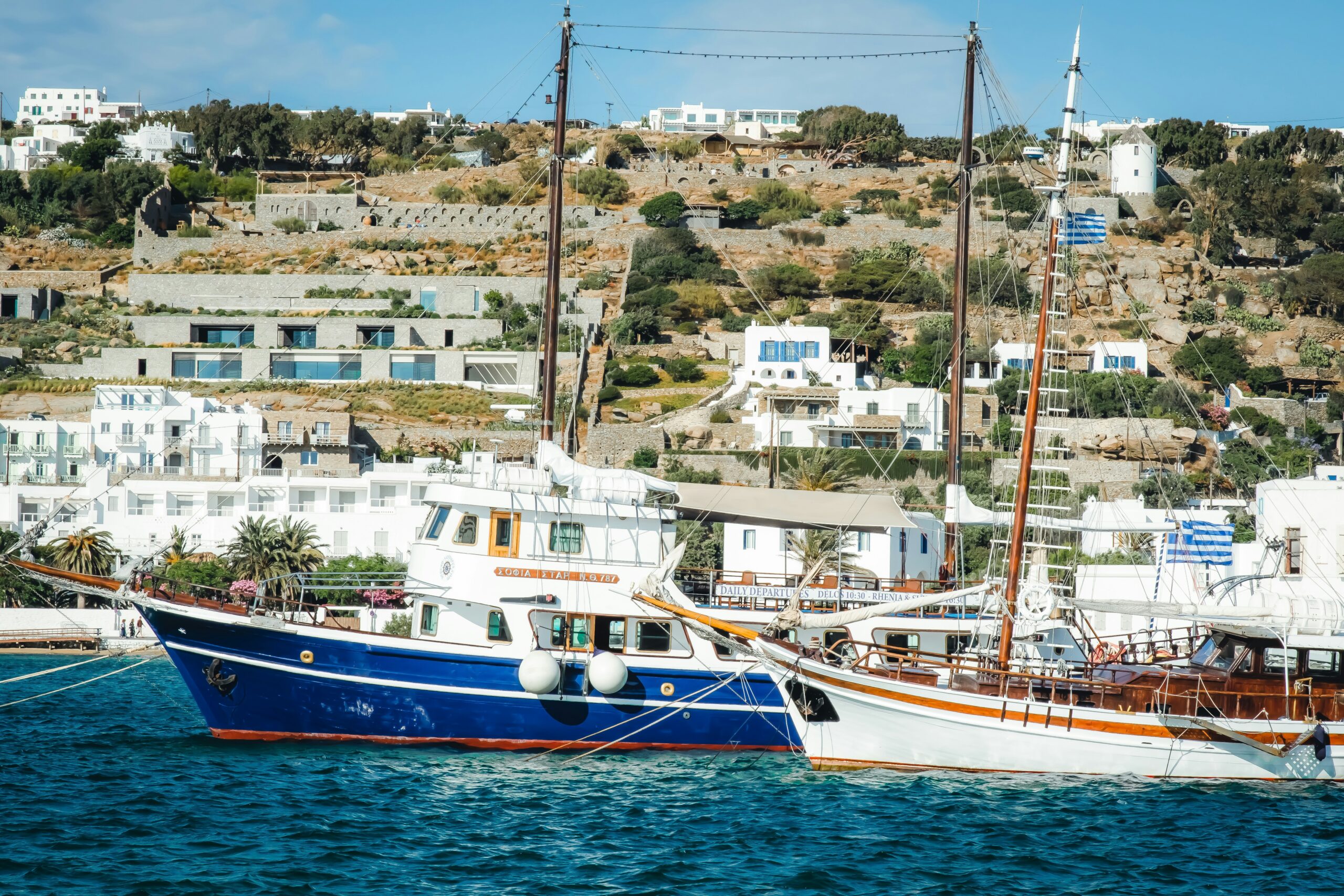
Island retirement creates hidden transport expenses
Island life may look affordable during short stays, but transport costs accumulate surprisingly fast over time.
Many island retirees eventually spend heavily on:
- ferry tickets
- car transport
- overnight medical travel
- higher delivery charges
- imported products
- limited contractor competition
Medical logistics become especially important later in retirement. A location that feels manageable at 65 may become financially and physically exhausting at 80 if every specialist appointment requires ferry coordination, taxis, overnight stays and recovery time.
RetirePlan reality check
A low-cost island retirement setup can become surprisingly expensive once healthcare travel, transport dependency and seasonal logistics are included honestly.
Winter utility costs surprise many retirees
Foreign retirees often imagine Greece as permanently warm.
Winter reality can feel very different, especially in older apartments, stone houses, mountain areas and damp coastal locations.
Older Greek housing frequently includes:
- poor insulation
- cold tile floors
- humidity issues
- inefficient heating systems
- drafty windows
Some retirees eventually spend far more on heating, air conditioning, dehumidifying and repairs than they expected during the planning phase.
These costs become more important with age because older retirees typically spend more time indoors and become less tolerant of cold, damp or uncomfortable housing.

Healthcare costs increase gradually over time
Even retirees using public healthcare usually develop increasing private healthcare expenses later in life.
Common hidden costs include:
- private specialist appointments
- dental care
- diagnostic imaging
- private physiotherapy
- prescription changes
- medical transportation
Retirees who move to isolated areas may face additional transport and accommodation expenses simply to access specialist care.
Many experienced retirees eventually budget specifically for “aging costs” rather than assuming healthcare spending stays stable forever.

Cars quietly become a retirement expense system
Some retirement setups in Greece only function comfortably with a car.
Foreign retirees often underestimate the long-term cost of:
- fuel
- insurance
- maintenance
- parking stress
- repairs
- vehicle replacement
- ferry transport for cars
Later in retirement, the financial problem often becomes secondary. The larger issue is that entire daily routines can collapse if driving confidence declines.
This is one reason many experienced retirees eventually prioritize walkable towns over isolated scenic locations.

Repairs and contractor delays create stress costs
Retirees often focus only on visible monthly costs while ignoring the emotional and logistical cost of managing repairs abroad.
In some areas of Greece:
- contractors may be difficult to schedule
- August slows repairs dramatically
- island tradespeople may be limited
- older homes require constant maintenance
- language barriers complicate projects
Many retirees eventually realize that “cheap” homes requiring constant supervision become exhausting later in life.
Practical Greece cost checklist
- Budget for winter heating and humidity control.
- Calculate transport costs honestly before choosing islands.
- Expect private healthcare spending to increase with age.
- Do not assume cheap property means cheap retirement.
- Think carefully about long-term driving dependence.
- Build repair and maintenance buffers early.
- Test locations during winter before buying property.
- Keep emergency savings for bureaucracy and healthcare surprises.
The safest retirement budgets include flexibility
The retirees who cope best financially in Greece are usually not the retirees trying to optimize every euro.
They are usually the retirees who:
- maintain financial buffers
- avoid fragile logistics
- keep transportation simple
- budget for aging realistically
- expect slower repairs and administration
- adapt gradually to local systems
Greece can absolutely remain affordable long term. But successful retirement budgets usually depend more on resilience and simplicity than on chasing the absolute lowest monthly costs.