Emergency and Urgent Help in France for Retirees
Most retirees moving to France eventually discover that healthcare emergencies work very differently from what they are used to back home. Understanding how SAMU, SOS Médecins, pharmacies, emergency rooms and ambulance systems actually work can dramatically reduce stress during a crisis.
Many retirees expect France to operate with a simple “go to the ER or call 911” system. In reality, France uses a layered medical response structure involving SAMU doctors, emergency dispatch centers, urgent home visits, firefighters and hospital triage systems.
France generally has excellent emergency healthcare, but the system works differently from many English-speaking countries.
The biggest difference is that France uses medically coordinated emergency triage instead of automatically sending an ambulance for every problem.
In practice this means:
- you may speak with a doctor before an ambulance is sent
- the system decides the most appropriate response
- house-call doctors are still common
- ER waiting times depend heavily on severity
- small local hospitals may not handle complex emergencies
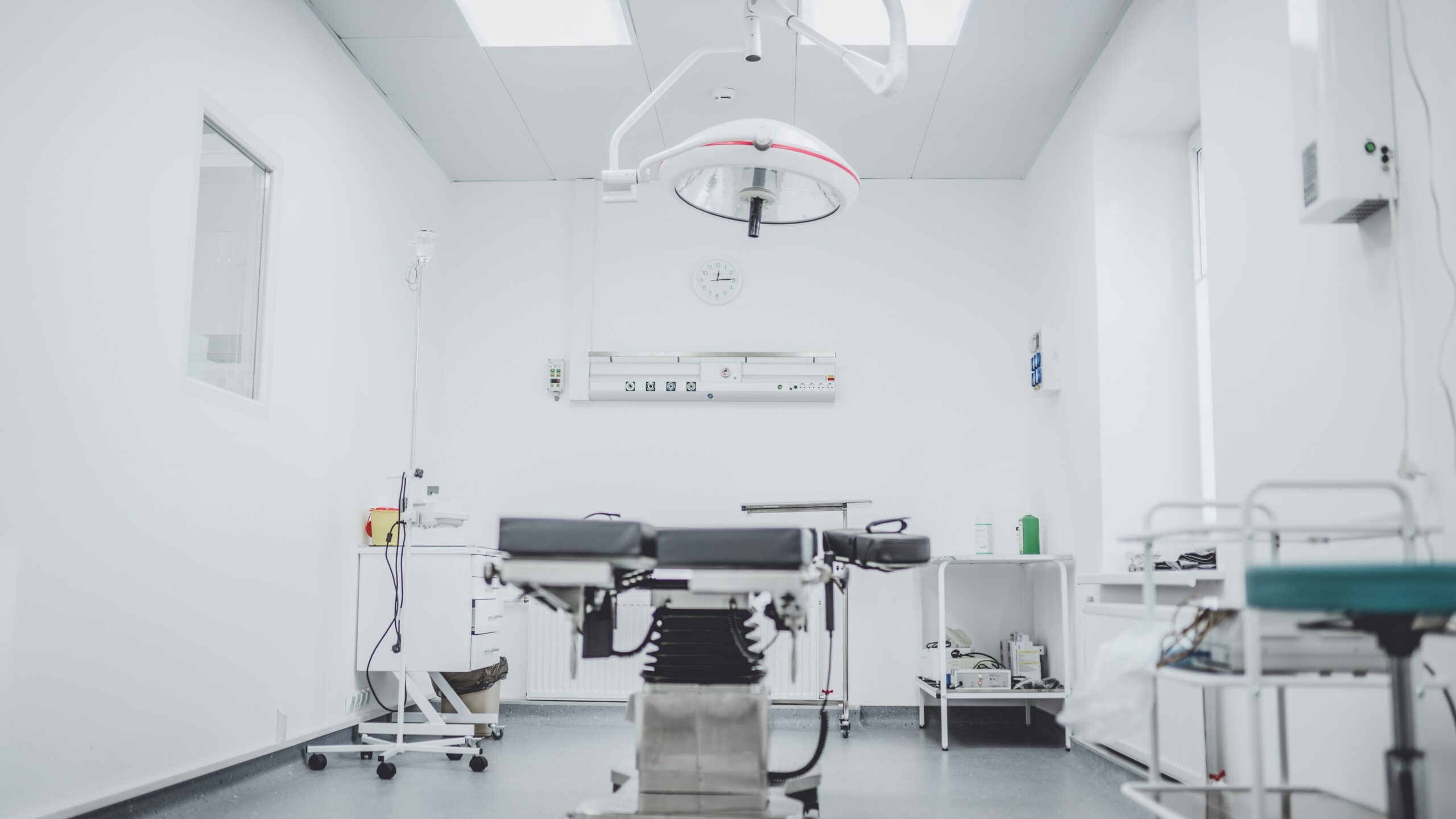
The Emergency Numbers You Actually Need
France uses multiple emergency numbers rather than one universal medical number.
- 15 — SAMU medical emergency service
- 18 — firefighters (pompiers)
- 17 — police
- 112 — EU-wide emergency number
- 114 — text emergency service for deaf or speech-impaired users
SAMU is the most important number for medical emergencies. Operators assess the situation and determine the correct response.
Foreign retirees are often surprised that:
- a doctor may evaluate the case over the phone
- an ambulance may not automatically be dispatched
- you may be directed elsewhere first
- firefighters sometimes respond faster than ambulances
SOS Médecins Is One of France’s Hidden Advantages
One thing many retirees absolutely love about France is SOS Médecins.
This nationwide system provides urgent doctor visits outside normal office hours and often sends doctors directly to your home.
It is commonly used for:
- high fever
- weekend illness
- urgent infections
- mobility problems
- situations not severe enough for the ER

Emergency Rooms Can Be Slow — Especially in Rural Areas
France has excellent hospitals, but emergency room reality depends heavily on location.
In practice:
- large cities usually have stronger hospital networks
- rural hospitals may be limited
- specialists may require transfer to another city
- night staffing can be reduced
- waiting times can become long during shortages
Many retirees moving to rural France underestimate how far serious healthcare may actually be.
Language Problems Become Much Worse During Emergencies
Many retirees function reasonably well in French during daily life but struggle heavily during stress, pain or panic.
Emergency situations often involve:
- rapid instructions
- medical terminology
- insurance questions
- phone conversations
- specialist referrals
Experienced expats often keep:
- translated medication lists
- medical summaries
- insurance documents together
- emergency contacts printed on paper
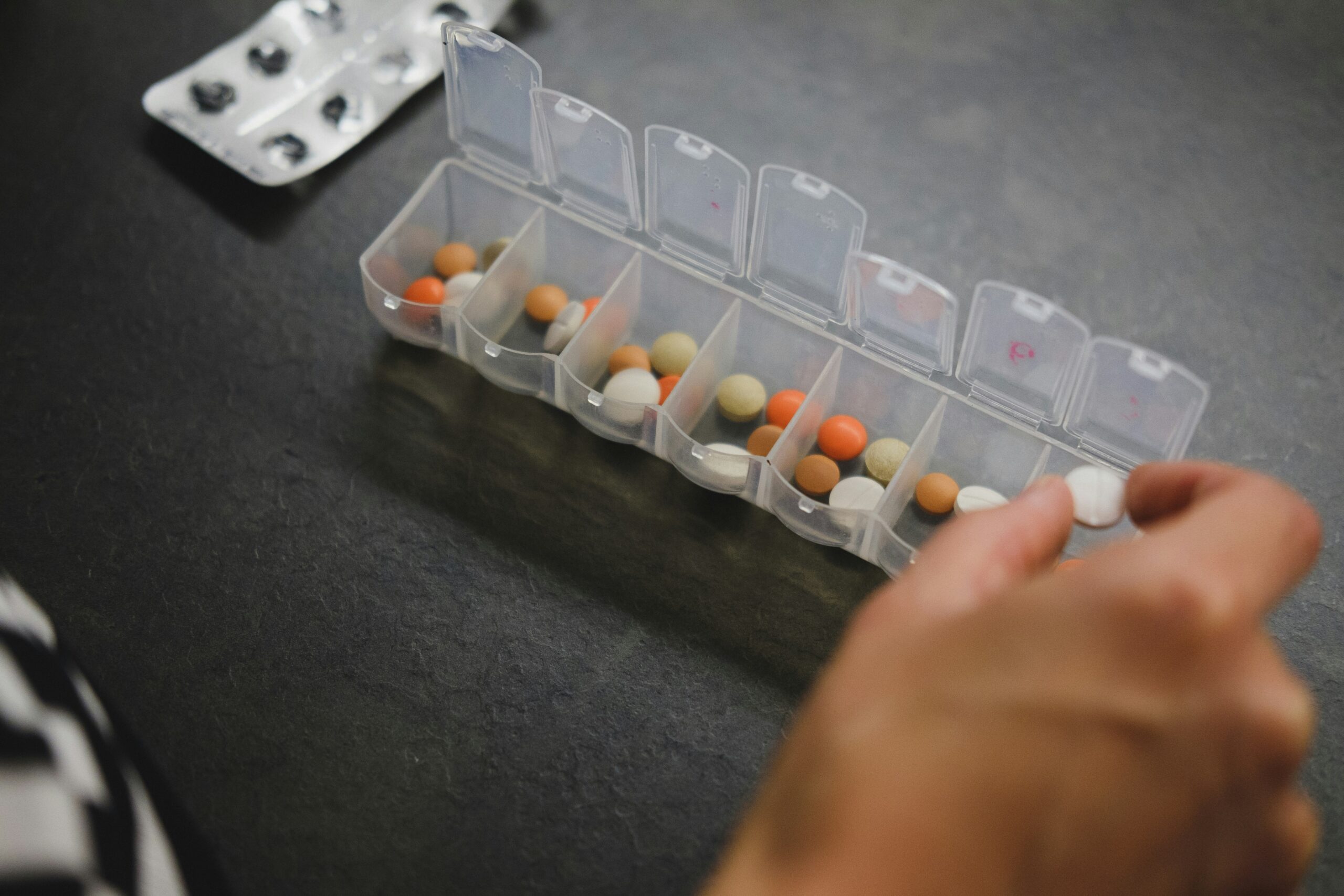
Pharmacies Are Part of the Emergency System
French pharmacies are much more integrated into healthcare than many foreigners expect.
Pharmacists often help retirees:
- find urgent doctors
- locate emergency pharmacies
- manage medication issues
- navigate weekend healthcare
- understand urgent treatment options
Emergency pharmacies rotate coverage during evenings, weekends and holidays through the pharmacie de garde system.
What Retirees Should Prepare Before an Emergency Happens
The retirees who handle emergencies best usually prepare long before they actually need help.
Practical preparation often includes:
- saving emergency numbers in phones
- knowing the nearest hospital
- keeping medication lists updated
- planning nighttime transportation
- understanding local healthcare limitations
- keeping documents together
Final Thoughts
France generally provides excellent emergency and urgent healthcare, but the system rewards preparation and understanding.
The retirees who adapt best usually:
- learn the emergency structure early
- understand SAMU and SOS Médecins
- avoid relying only on emergency rooms
- plan transportation realistically
- choose locations with realistic healthcare access
In France, emergency healthcare often works very efficiently once you understand how the system is actually designed to operate.