Portuguese Cafés and Social Life for Retirees
One of the biggest lifestyle differences many retirees notice after moving to Portugal is the social rhythm of everyday life. Café culture, slower routines and neighborhood interaction often become an important part of feeling comfortable and connected during retirement abroad.
Why café culture matters in Portugal
In Portugal, cafés are often more than places to drink coffee. They frequently function as everyday social spaces woven into local routines.
Many retirees notice people using cafés for:
- Morning routines.
- Meeting friends.
- Reading newspapers.
- Casual conversation.
- Small daily breaks.
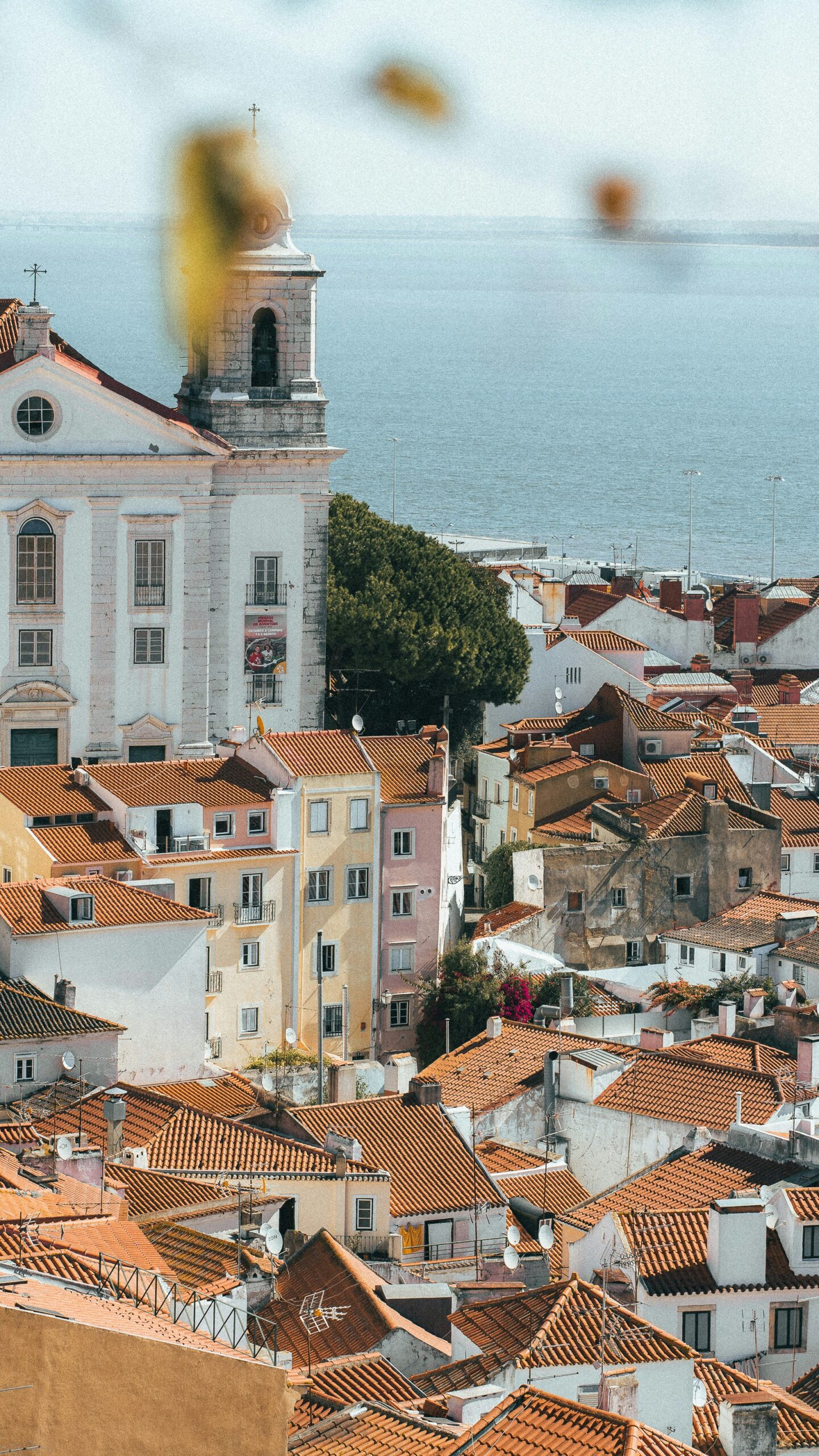
Retirees coming from faster-paced countries sometimes find Portugal’s café culture calming and socially grounding.
Do retirees make friends easily in Portugal?
Social experiences vary enormously depending on personality, language ability, location and lifestyle expectations.
Some retirees quickly build routines and social circles, while others initially struggle with:
- Language barriers.
- Cultural differences.
- Isolation in rural areas.
- Distance from family.
Daily routines and community participation often matter more than formal “expat events” over the long term.
Expat communities vs local integration
Some Portuguese retirement regions have large international communities.
These areas may offer:
- English-speaking networks.
- Social clubs.
- International cafés.
- Shared retirement experiences.
However, some retirees prefer quieter integration into local Portuguese life instead of living primarily inside expat bubbles.
Smaller towns and slower daily life
Smaller Portuguese towns often have very different social rhythms compared with large cities.
Retirees may notice:
- More familiar daily interactions.
- Slower social pace.
- Neighborhood recognition.
- Traditional routines.
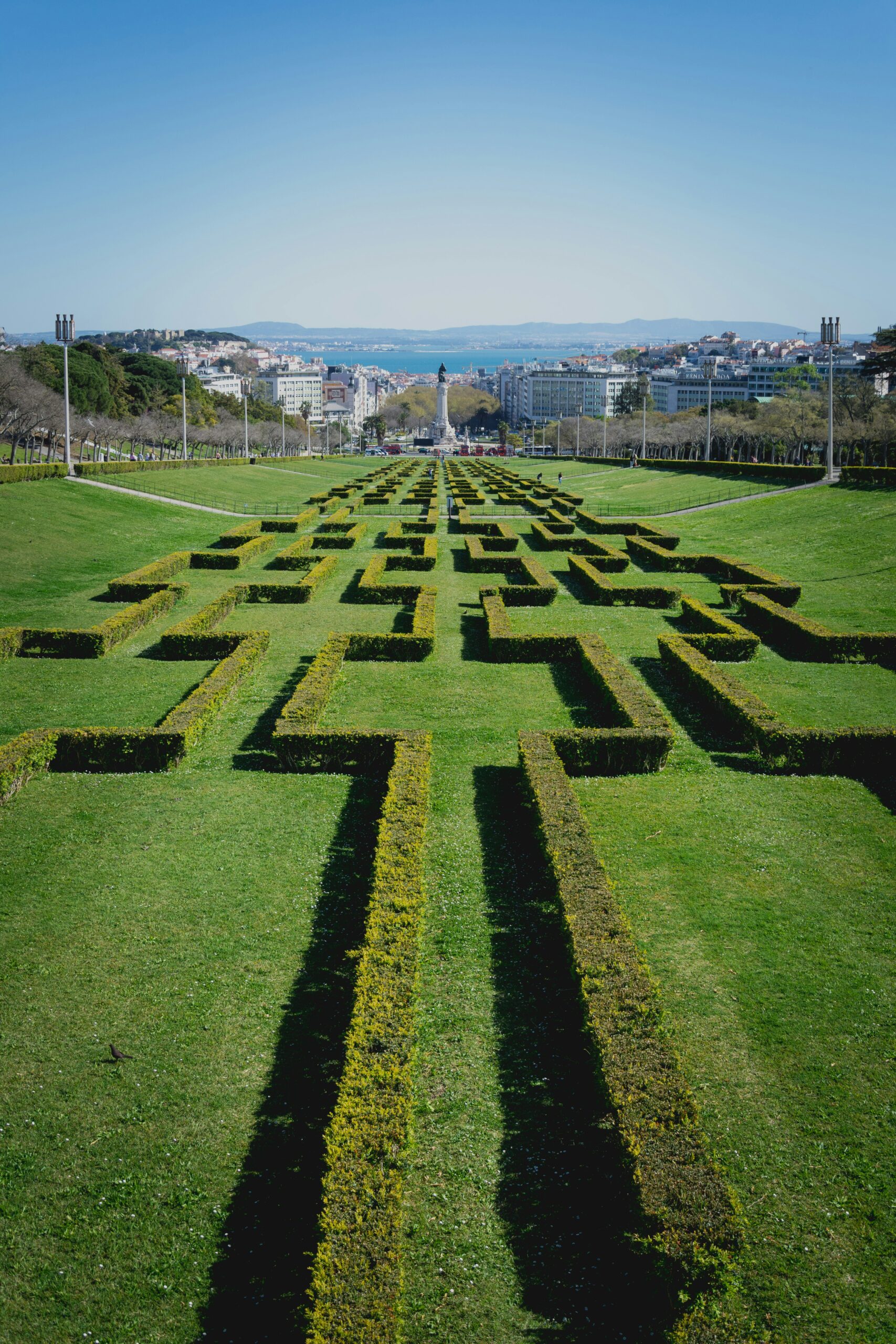
Some retirees love this atmosphere, while others eventually miss the variety and convenience of larger cities.
Loneliness after moving abroad
Retirement relocation can sometimes feel emotionally difficult during the first year.
Retirees occasionally underestimate:
- Distance from family.
- Cultural adjustment stress.
- Language fatigue.
- Loss of old routines.
Creating consistent daily habits often helps retirees adapt more comfortably over time.
Simple routines such as local cafés, walking routes and regular markets may become surprisingly important emotionally.
Portuguese social style
Portuguese social culture is often described as polite, calm and somewhat reserved initially.
Retirees may find that relationships develop gradually through:
- Repeated daily interaction.
- Consistency.
- Local participation.
- Patience.
Building trust and familiarity sometimes takes longer than retirees expect during the first months abroad.
Walkability and social connection
Walkable environments often improve retirement social life significantly.
Retirees living in walkable towns may naturally encounter:
- Regular café visits.
- Neighborhood interaction.
- Public gathering spaces.
- Outdoor social culture.
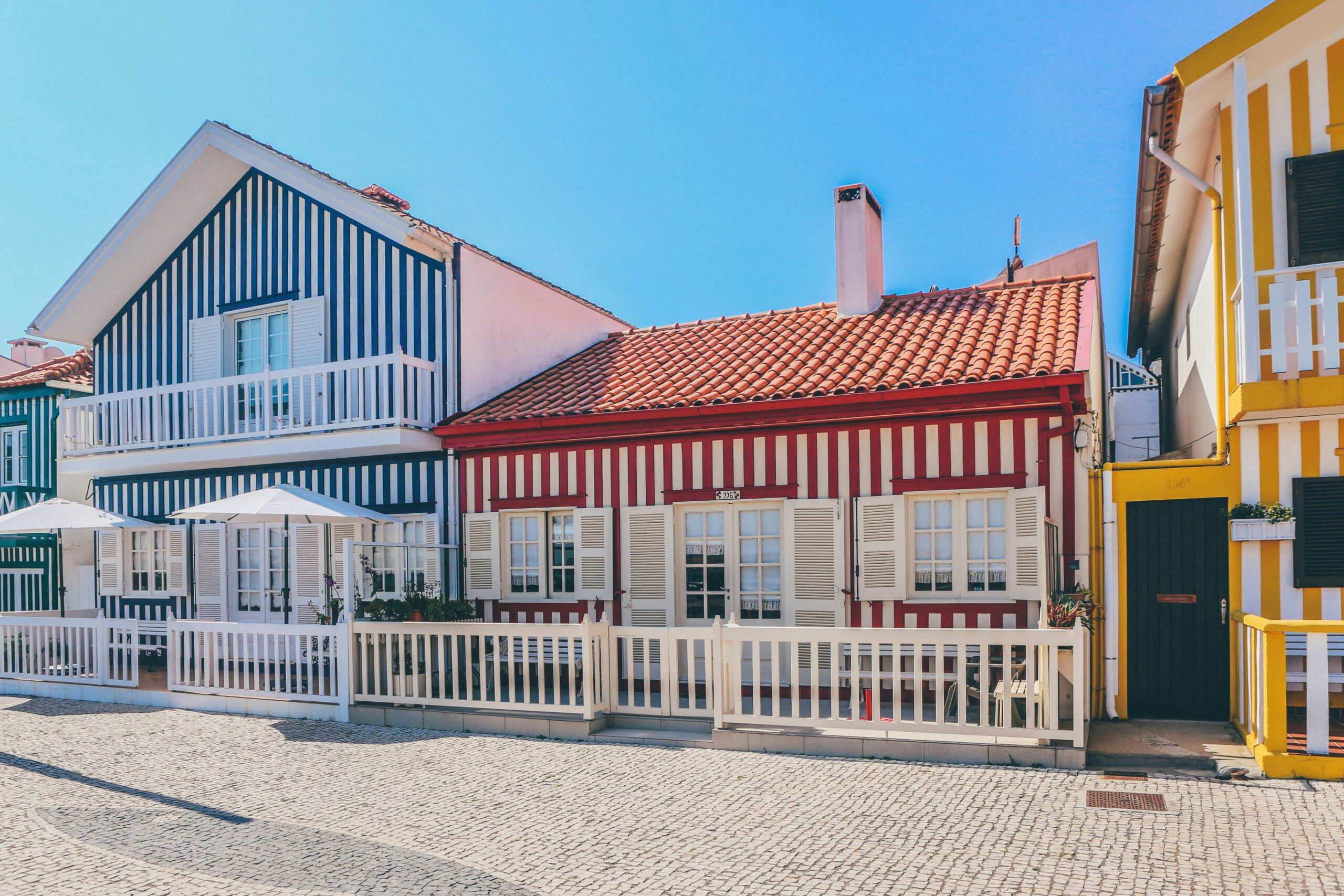
Seasonal changes and social life
Portugal’s social atmosphere changes throughout the year.
Retirees may notice:
- Tourist-heavy summers.
- Quieter winters.
- Seasonal business closures.
- Holiday slowdowns.
Some coastal towns feel dramatically different between summer and winter, especially in highly seasonal regions.
Common mistakes retirees make
- Expecting instant social integration.
- Choosing isolated locations.
- Ignoring language barriers.
- Underestimating emotional adjustment.
- Focusing only on scenery instead of daily life rhythm.
Retirement happiness often depends more on sustainable routines and social comfort than purely on climate or property prices.
Final thoughts
Portugal’s café culture and slower social rhythms are major reasons many retirees feel comfortable there long term.
However, successful retirement abroad usually requires realistic expectations, patience and active participation in daily life rather than simply relocating physically.
Building routines, community familiarity and comfortable everyday habits often becomes one of the most important parts of feeling truly “at home” in Portugal.