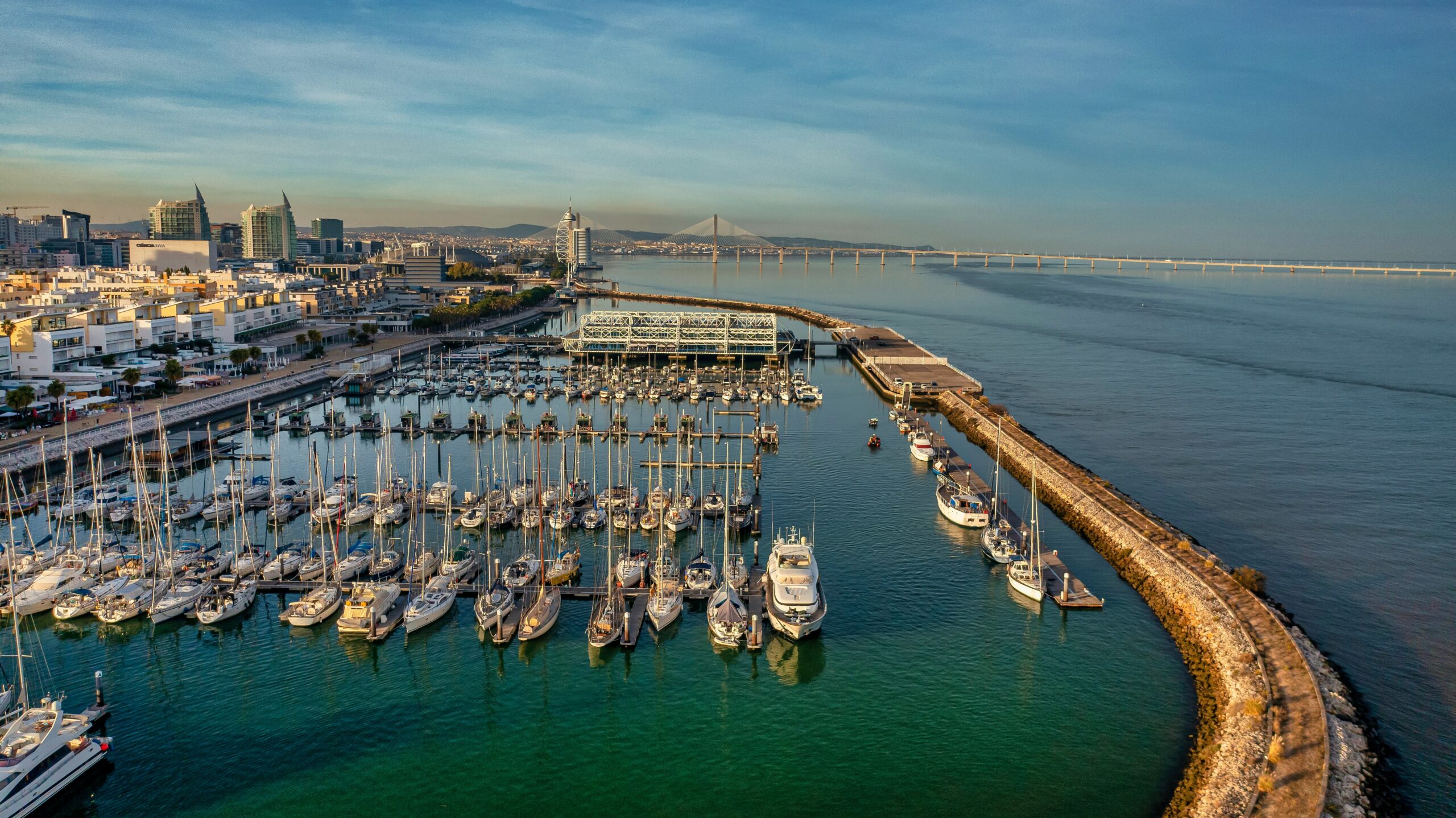
Can retirees move to Portugal?
Yes. Portugal continues to welcome foreign retirees through several residency pathways, with the D7 visa remaining one of the most common retirement visa routes.
Portugal is especially attractive because of:
- Climate.
- Healthcare quality.
- Safety.
- Mediterranean lifestyle.
- Strong international retiree communities.
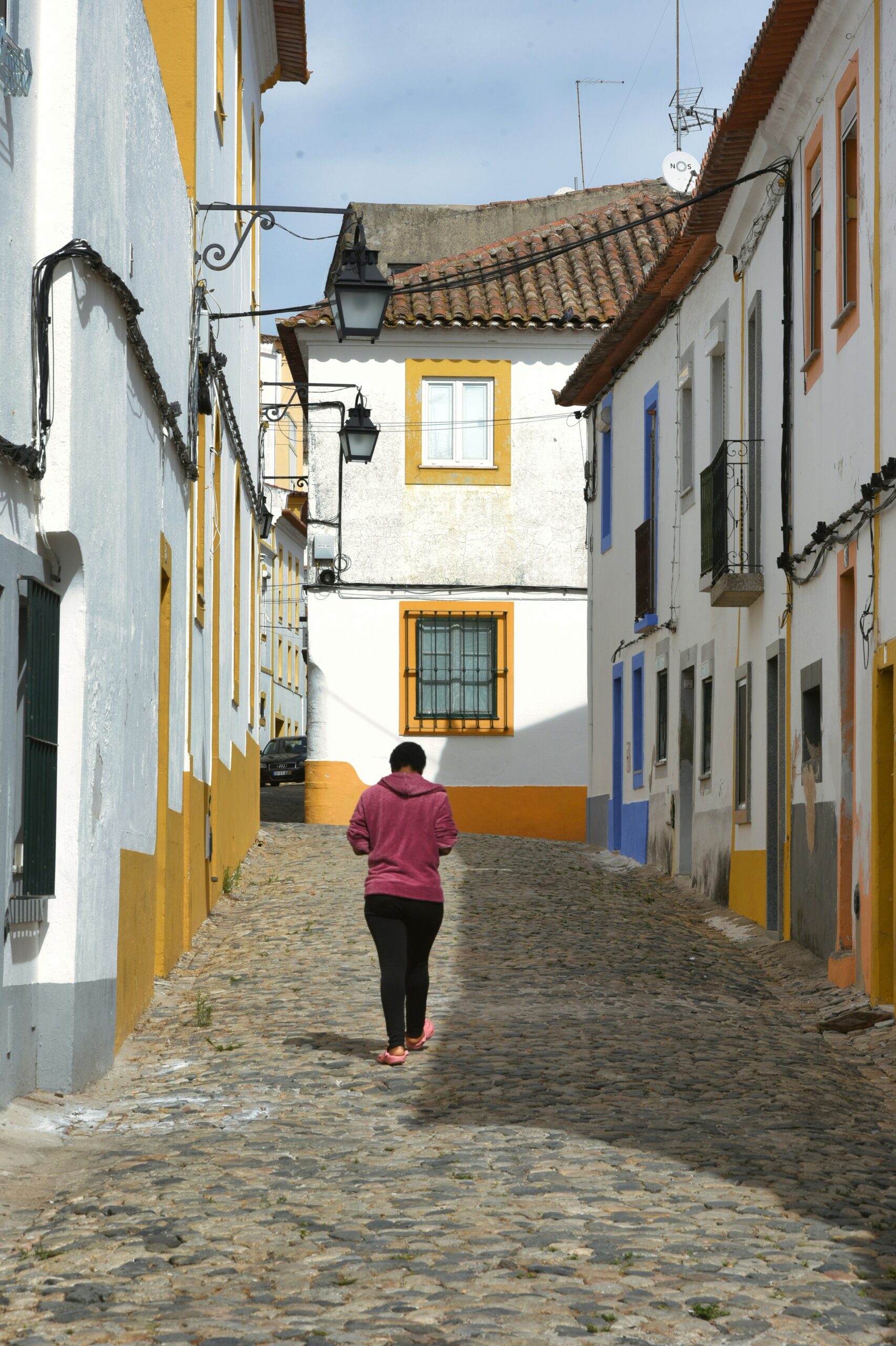
What is the Portugal D7 visa?
The D7 visa is commonly used by retirees and individuals with passive income who want to establish residency in Portugal.
The visa is generally designed for applicants who can demonstrate ongoing income sources such as:
- Pensions.
- Investment income.
- Rental income.
- Passive income streams.
- Long-term financial stability.
After arrival in Portugal, retirees typically continue through the residency permit process.
What do retirees usually need for a Portugal retirement visa?
Requirements vary by nationality and application type, but retirees commonly need:
- Valid passport.
- Proof of passive income or pension income.
- Portuguese accommodation.
- Health insurance.
- Clean criminal background checks.
- Proof of financial stability.
How much income do retirees need?
Portugal’s financial requirements can change periodically and may depend on:
- Household size.
- Dependents.
- Accommodation situation.
- Proof of recurring income.
Applicants are generally expected to demonstrate reliable ongoing financial support sufficient for living in Portugal without local employment dependence.
Retirees should avoid relying on outdated internet articles quoting older visa thresholds without verification.
Do retirees need private health insurance?
In many cases, yes.
Private health insurance is commonly required during visa and residency application stages before full integration into Portuguese healthcare systems.
Many retirees continue using private insurance long-term because it offers:
- Faster appointments.
- Private hospitals.
- Broader specialist access.
- English-speaking providers in many regions.
How long does the residency process take?
Processing times vary depending on:
- Nationality.
- Consulate workload.
- Document preparation quality.
- Immigration demand.
Retirees should expect immigration processes to move slowly at times and should prepare documentation carefully in advance.
Is Portugal still a good retirement destination in 2026?
For many retirees, absolutely.
Portugal still offers one of Europe’s strongest combinations of:
- Climate.
- Healthcare.
- Safety.
- Retirement lifestyle.
- International accessibility.
However, retirees should expect more realistic housing costs and more structured planning than older “cheap retirement paradise” articles often suggest.
Plan your move to Portugal
Compare retirement costs, healthcare access and long-term retirement planning using the Portugal retirement guides and calculators.