Driving in Portugal as a Retiree
For many retirees moving abroad, driving is one of the biggest concerns. The good news is that Portugal is generally considered a comfortable and manageable country to drive in, especially outside the busiest city centers. Understanding the roads, driving culture, toll systems and local realities can make daily life much easier after relocating.
Is Driving in Portugal Easy for Retirees?
Compared to many European countries, Portugal is often considered relatively comfortable for retirees who still want to drive regularly. Outside Lisbon and Porto, traffic is generally calmer and roads are less aggressive than in many larger European cities.
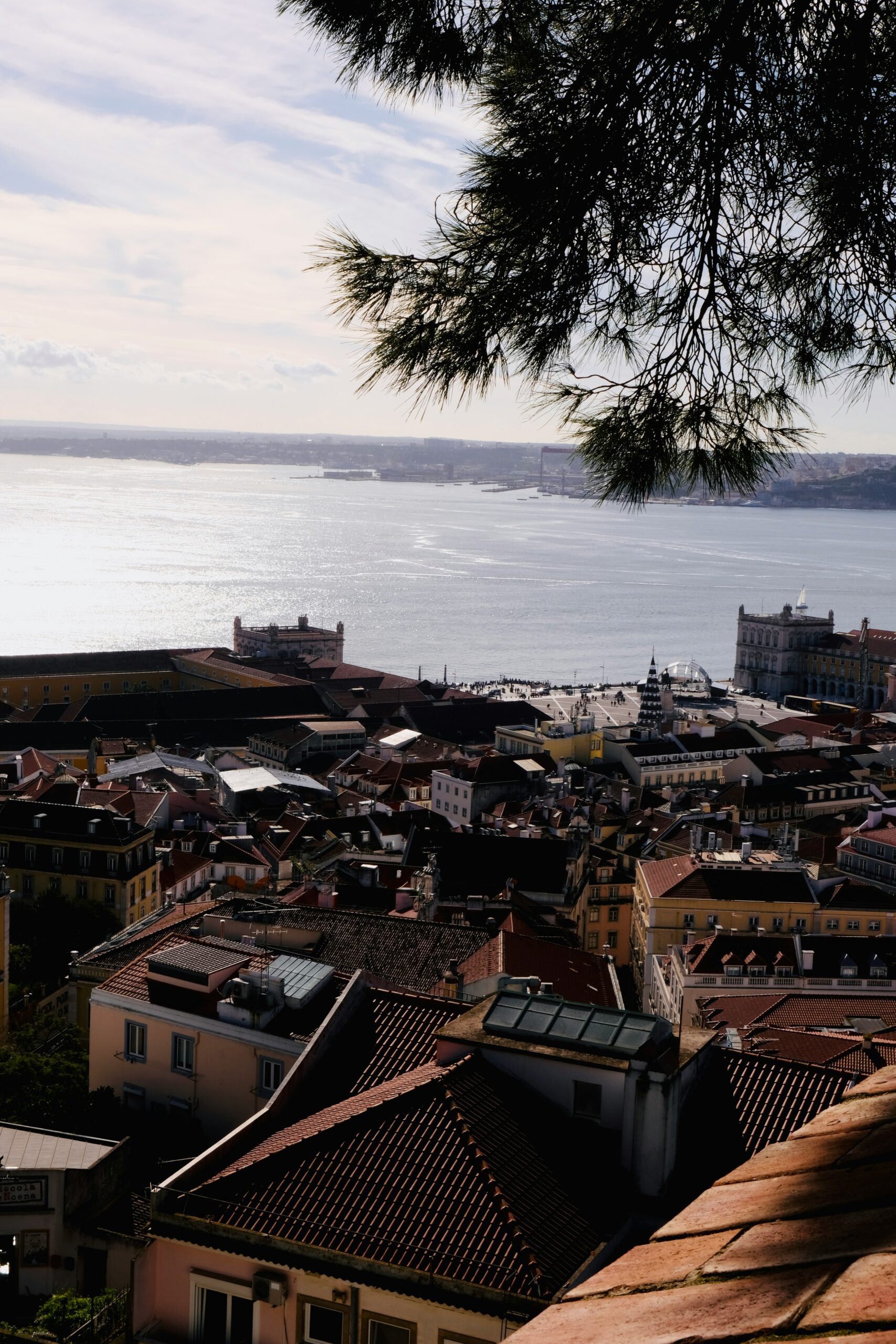
Rural and coastal regions such as the Algarve, Silver Coast and Central Portugal are especially popular with retirees because daily driving tends to feel slower and less stressful.
However, there are still some adjustments many foreigners notice:
- Frequent roundabouts
- Narrow village streets
- Steep roads in older towns
- Different parking habits
- Electronic toll systems
- Occasional aggressive highway driving
Most retirees adapt fairly quickly, especially if they avoid major city driving during peak hours.
Can You Use Your Existing Driving License?
Rules depend on where your license was issued and whether you become a Portuguese resident.
EU and EEA Licenses
Retirees from EU and EEA countries can generally continue using their existing licenses in Portugal after becoming residents, although registration requirements may apply depending on age and residency duration.
UK, US and Non-EU Licenses
Non-EU retirees may need to exchange their licenses after becoming residents. The exact process depends on bilateral agreements between Portugal and the issuing country.
Before relocating, always verify the latest rules directly with Portuguese authorities or your local consulate.
Road Conditions in Portugal
Portugal has a surprisingly modern highway network, especially along the coast and between major cities.
Highways
Portuguese highways are generally excellent:
- Well maintained
- Fast and modern
- Easy for long-distance travel
- Well connected between regions
Rural Roads
In smaller towns and villages, roads may become:
- Narrow
- Uneven
- Steep
- Poorly lit at night
Retirees living inland often prefer smaller vehicles because older village streets can be difficult with large SUVs.
Toll Roads in Portugal
Portugal uses a combination of traditional toll booths and fully electronic toll roads.
This system can initially confuse many foreigners, especially retirees bringing their own cars from abroad.
If you plan to drive frequently between regions, understanding the toll system early can prevent fines and unnecessary stress.
Parking and City Driving
Lisbon and Porto are the most challenging areas for retirees who dislike heavy traffic or difficult parking.
Common challenges include:
- Limited parking spaces
- Steep streets
- Complex one-way systems
- Busy urban traffic
Many retirees intentionally choose smaller cities or coastal towns where driving feels significantly easier.
The Algarve in particular is popular because daily driving is generally straightforward outside the busiest summer tourist months.
Can You Live in Portugal Without a Car?
In some areas, yes.
Retirees living in Lisbon, Porto or certain Algarve towns may rely primarily on:
- Walking
- Trains
- Buses
- Ride-sharing services
However, retirees living in rural Portugal usually find that owning a car becomes almost essential for:
- Healthcare appointments
- Shopping
- Administrative tasks
- Daily convenience
Your lifestyle goals should strongly influence where you choose to retire.
Healthcare Access and Driving
One often overlooked retirement issue is healthcare accessibility.

In many inland or rural regions, hospitals and specialist clinics may require longer driving distances.
This is one reason many retirees prioritize:
- Coastal towns
- Larger regional centers
- Areas with strong infrastructure
Best Areas in Portugal for Older Drivers
Algarve
Probably the easiest overall region for retirees who still drive regularly. Roads are modern, distances are manageable and infrastructure is retirement-friendly.
Silver Coast
A good balance between calmer living and decent infrastructure access.
Central Portugal
Beautiful and affordable, but some areas involve mountain roads and longer drives between services.
Lisbon Area
Better public transportation but significantly more stressful driving conditions.
Final Thoughts
For most retirees, driving in Portugal becomes manageable surprisingly quickly. The key is choosing the right location for your lifestyle, comfort level and long-term mobility needs.
Retirees who prefer calm daily routines often enjoy smaller coastal towns, while those who want urban convenience may choose areas with stronger public transportation systems.
Understanding toll roads, parking realities and regional infrastructure before moving can make the transition far smoother.