Moving to France – Step-by-Step Guide (2026)
Planning to move to France? This complete guide walks you through the real process: visas, residency, housing, banking, healthcare, moving costs, shipping belongings, registration, taxes and what to expect before and after you arrive.

Moving to France in 2026 – what this guide covers
France offers a high quality of life, strong healthcare, excellent infrastructure, beautiful regions and one of Europe’s most established systems for long-term living. But moving to France requires planning. The country is administrative, document-focused and less flexible than some southern European destinations.
This step-by-step guide is written for people who want a practical overview before relocating to France. It covers what to prepare before moving, what to do after arrival, how to think about housing, banking, healthcare, belongings, registration and the common mistakes to avoid.
Page index
Use this index to jump through the main parts of the France relocation process.
- Overview – how moving to France actually works
- Why people move to France
- Temporary stay vs permanent move
- What does it cost to move to France?
- Step 1: Understand your visa or residency situation
- Step 2: Choose where to live
- Step 3: Rent or buy property
- Step 4: Open a French bank account
- Step 5: Register for healthcare
- Step 6: Set up daily life in France
- Step 7: Money, pension and transfers
- Moving furniture and belongings to France
- Important documents to prepare
- Moving timeline checklist
- Common mistakes when moving to France
- FAQ – moving to France
Overview – how moving to France actually works
Moving to France is usually manageable if you prepare properly, but it is one of the more administrative relocation processes in Europe. Many steps depend on having the right documents, a French address, proof of income, insurance and a clear residency or visa route.
France can feel slower at the beginning because many systems are formal. Once you are set up, however, daily life can become stable and predictable. The key is to avoid arriving without documents, housing evidence, healthcare planning or enough time for banking and administration.
Why many people choose to move to France
France attracts retirees, families, remote workers and international households because it offers strong public services, regional variety, excellent food culture, healthcare, transport, countryside, coastline and major cities. The experience can be very different depending on whether you choose Paris, Provence, Brittany, Dordogne, Occitanie, the Alps, the Atlantic coast or a rural village.

🏥 Healthcare quality
France is known for strong healthcare access, but you must register correctly and may need private or top-up insurance during the transition.
🥖 Lifestyle and culture
France offers food, markets, historic towns, cafés, culture, nature and a slower pace in many regions.
🚆 Infrastructure
Trains, roads, airports and public services are strong in many parts of France, especially near cities and established towns.
🌍 Regional variety
Costs, climate, property prices and lifestyle differ greatly between Paris, rural France, coastal areas and the south.
Temporary stay vs permanent move to France
Before relocating, decide whether you are testing France for a season or moving permanently. A temporary stay can be useful for comparing regions, while a permanent move requires deeper planning around visa or residence status, healthcare, tax residency, property, insurance and moving belongings.
Temporary stay
A temporary stay lets you test a region, climate, transport, healthcare access and daily life before making a long-term decision.
Permanent move
A permanent move normally requires a full setup: residency or visa planning, housing, address proof, banking, healthcare, insurance and tax review.
Long-term stays and registration
EU citizens can generally live in France more easily than non-EU citizens, but long-term residence still requires meeting relevant conditions. Non-EU citizens usually need the correct long-stay visa or residence route before moving.
Tax residency in France
Tax residency can depend on where you live, where your household is based, how much time you spend in France and where your main economic interests are located. France has detailed tax rules, so professional advice is important before making a permanent move.
What does it cost to move to France?
The cost of moving to France depends on where you move from, how much you bring, whether you need packing help, whether you use shared or direct transport, whether storage is needed and how easy the delivery address is to access.
A small move with boxes and selected personal items is very different from moving a full household. Rural homes, narrow streets, mountain areas, long driveways, apartments without lifts or properties with difficult parking can all affect planning and cost.
Small move
A smaller move with boxes and selected furniture may be suitable for shared transport if your dates are flexible.
Full household move
A full household move requires volume planning, packing, inventory lists, insurance, access checks and sometimes storage.
Shared transport
Shared transport can reduce costs because your belongings share truck space with other moves, but delivery dates may be less exact.
Direct transport
Direct transport is normally faster and more controlled, but usually more expensive because the transport is dedicated to your move.
Costs that affect the final price
- Volume of belongings, often measured in cubic metres.
- Pickup country and destination in France.
- Packing help, fragile items and special handling.
- Access at pickup and delivery, including stairs, lifts and parking.
- Storage, insurance, fixed delivery dates or direct transport.
- Delivery complexity in rural areas, mountain regions or old town centres.
What’s different about moving to France?
📄 Administration is central
France relies heavily on official paperwork. Many processes require documents, forms, approvals and proof of address.
🏥 Excellent healthcare system
France has one of the strongest healthcare systems in Europe, but you must register properly to access it.
🏦 Banking can be strict
Opening a bank account may require proof of address, income and documentation.
📬 Everything needs an address
Many steps, including banking, healthcare, insurance and utilities, are much easier once you have a French address.
Step 1: Understand your residency or visa situation
Your process depends heavily on your nationality and how long you plan to stay.
- EU citizens can live in France, but long-term stays still require meeting conditions.
- Non-EU citizens usually need the correct visa before moving.
- Common routes include long-stay visitor visas, retirement routes or family-related routes.
- You may need proof of income, accommodation and health insurance.
- Documents may need to be translated, certified or presented in a specific format.
Common documents for visa or residence planning
- Valid passport or national ID card.
- Proof of income, pension or savings.
- Proof of accommodation in France.
- Health insurance documents.
- Birth, marriage or family documents if relevant.
Step 2: Choose where to live
France varies greatly by region, climate, housing cost and lifestyle.

Paris
Best for services, culture, transport and international connections, but very expensive housing and a high cost of living.
South of France
Popular for retirees, warmer climate and beautiful towns, but higher prices in coastal and premium areas.
Rural France
Much lower cost of living, slower pace and more space, but fewer services and greater need for French language.
Mid-size cities
A good balance between affordability, healthcare, transport, culture and infrastructure.
Brittany and Normandy
Cooler climate, coastal towns, strong local identity and often more affordable housing than premium southern areas.
Dordogne and Occitanie
Popular with international residents, countryside lifestyle and more affordable property in many areas.
Step 3: Rent or buy property
Housing is one of the most important early decisions when moving to France.
- Renting first is strongly recommended if you are new to France.
- Rental contracts can require strong documentation.
- Buying involves notaries, legal checks and formal procedures.
- Property taxes, service charges and maintenance should be included in your budget.
- Check heating, insulation, damp, roof condition, internet access and transport links.
Landlords often request proof of income, identity documents, financial guarantees and a clear rental file. Buying property can be structured and secure, but it requires patience and a full understanding of taxes, notary fees and renovation risks.
Step 4: Open a French bank account
A local account is often required for daily life in France.
- Needed for rent, utilities, insurance and local payments.
- Often required before completing other registrations.
- May require proof of address and identity documents.
- Can require proof of income, tax residence or visa/residency documents.
Banking can be one of the slower steps when moving to France because banks often want strong documentation. Having a French address and organised documents can make the process easier.
Step 5: Register for healthcare
France has one of the strongest healthcare systems in Europe, but registration takes planning.
- You may need to register with the French social security system.
- You may receive a French social security number after registration.
- Many people use private or top-up “mutuelle” insurance.
- Access depends on your residency status and personal situation.
- Private insurance is often used during the transition period.
Healthcare registration can take time. Many people keep private insurance at the beginning or use a mutuelle to cover costs not fully reimbursed by the public system.
Step 6: Set up your daily life in France
Once housing, banking and healthcare are underway, you can set up the everyday systems that make life in France work smoothly.
- Electricity, water and internet setup.
- Mobile phone and contracts.
- Home insurance, health insurance and vehicle insurance.
- Local tax registration and administrative accounts.
- Vehicle registration or public transport setup if needed.
- Doctor, pharmacy, dentist and local services.
Step 7: Move your money and pension payments
Currency exchange and international transfers can make a noticeable difference when moving savings, pension income or property funds to France.
- Compare exchange rates before transferring large amounts.
- Check how your pension will be paid and taxed.
- Keep enough emergency savings accessible.
- Plan for exchange-rate changes if your income is not in euros.
- Review investment accounts before becoming French tax resident.
Moving furniture and belongings to France
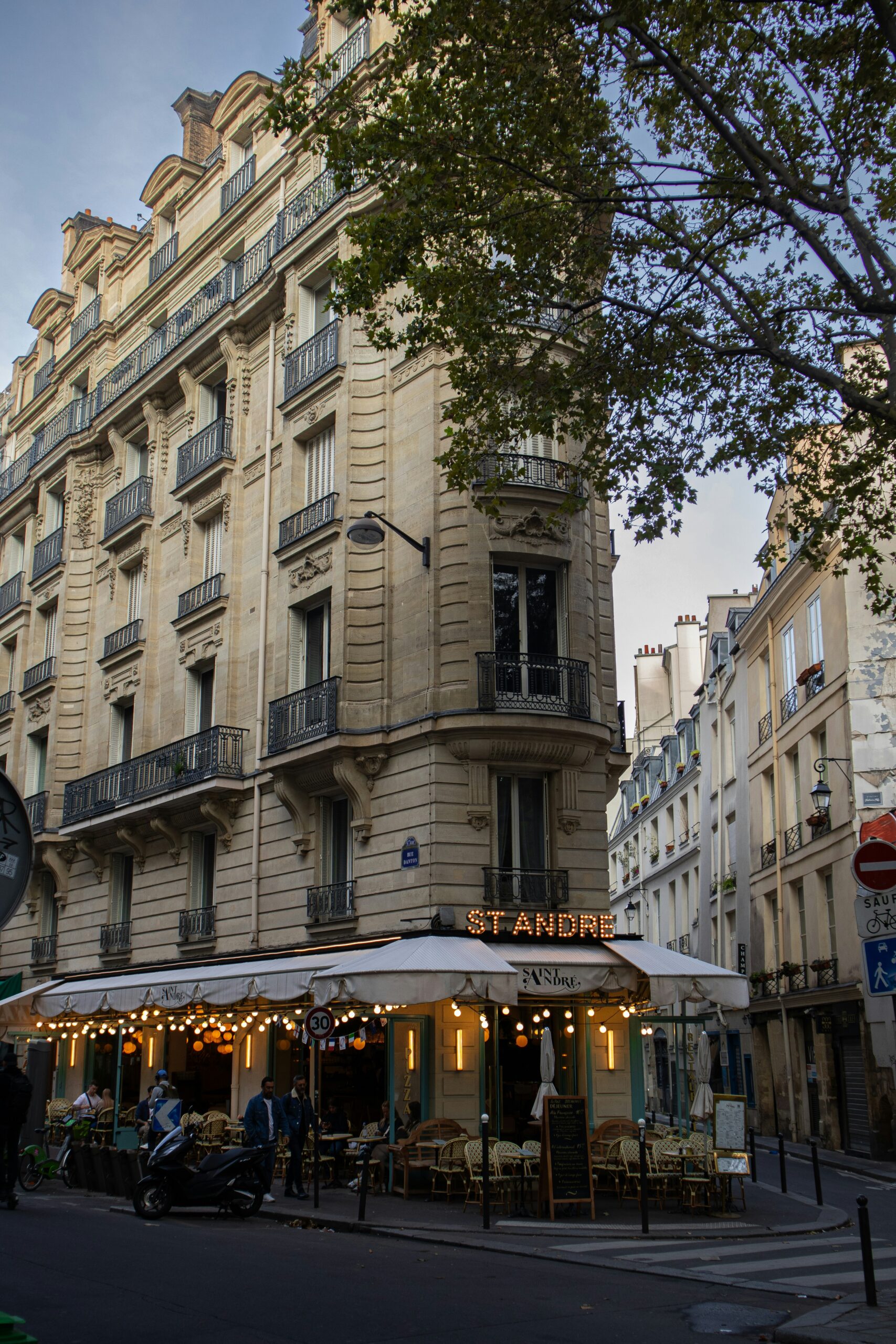
Many people moving permanently to France bring part or all of their household belongings. Others bring only personal items and buy furniture locally. The best choice depends on volume, value, sentimental importance, property size, delivery access and total transport cost.
Bring your belongings
This can make sense for personal items, high-quality furniture, tools, books, art, family items and belongings that are expensive to replace.
Buy locally
This may be cheaper for bulky low-value furniture, especially if you rent first or are unsure how long you will stay.
How an international household move is usually planned
- Estimate the volume of belongings, usually in cubic metres.
- Decide what to sell, store, donate or ship.
- Prepare an inventory list.
- Plan packing, fragile items and insurance.
- Check access at both addresses, including stairs, lifts and parking.
- Choose shared transport or direct transport.
Important documents to prepare before moving to France
France is document-heavy, so most people should prepare a clear document folder before moving. Requirements depend on nationality and personal situation.
- Valid passport or national ID card.
- Visa or residency documents, if relevant.
- Birth or marriage certificates if relevant.
- Pension, income or savings documentation.
- Health insurance documents or healthcare entitlement documents.
- Rental contract, property deed or accommodation proof.
- Inventory list for belongings.
- Vehicle, pet or insurance documents if relevant.
- Official translations if needed.
Moving to France timeline checklist
A clear timeline reduces stress and makes it easier to avoid expensive last-minute decisions.
3–6 months before moving
- Decide whether the move is temporary or permanent.
- Research regions, climate, healthcare and housing costs.
- Estimate your monthly France budget.
- Check visa, residency and registration requirements.
- Decide what to bring, sell, store or donate.
- Compare transport options for belongings.
1–3 months before moving
- Prepare visa, residency or long-stay documents if needed.
- Prepare documents for housing, banking and healthcare.
- Book moving help if you are shipping belongings.
- Review insurance and healthcare cover.
- Inform relevant authorities, pension providers, banks and insurers.
- Start packing and create an inventory list.
1–2 weeks before moving
- Confirm pickup and delivery addresses.
- Confirm travel dates, accommodation and property access.
- Prepare essential documents in hand luggage.
- Check medication, prescriptions and travel insurance.
- Make sure you have emergency funds accessible.
After arrival in France
- Secure housing and address proof.
- Open or update your French bank account.
- Set up utilities, mobile, internet and insurance.
- Start healthcare registration or confirm private cover.
- Understand when you become French tax resident.
- Update your budget after your first months in France.
Before you move – quick checklist
- Confirm visa or residency requirements.
- Prepare documents: ID, income, insurance, accommodation and translations if needed.
- Research housing options and regional cost differences.
- Plan healthcare coverage and private insurance if needed.
- Estimate full cost of living realistically.
- Decide what belongings to bring and prepare an inventory list.
Common mistakes when moving to France
Underestimating paperwork
France requires documentation for almost everything. Disorganised paperwork can delay banking, housing, healthcare and visa processes.
Not having an address early
Many processes depend on having a French address first, including banking, utilities, insurance and healthcare registration.
Skipping private insurance early
Healthcare registration can take time, so private insurance or top-up cover may be useful during the transition.
Ignoring regional cost differences
Paris, the Riviera and rural France can have completely different housing costs and monthly budgets.
Buying too quickly
France has many attractive properties, but renovation, heating, taxes and access can change the real cost.
Ignoring tax residency
A permanent move can affect where you are taxed. Review your position before becoming based in France.
Estimate your cost before moving
Before moving, check whether your income and savings match your expected lifestyle in France. Housing, region, healthcare, transport, local taxes and inflation can all change the long-term picture.
FAQ – moving to France
Do I need a visa to move to France?
EU citizens generally have an easier route to live in France, while non-EU citizens usually need the correct long-stay visa or residence route before moving long-term.
Is France difficult to move to?
France is not necessarily difficult, but it is administrative. The process is much easier if your documents, housing, insurance and income proof are prepared before you need them.
Is it better to rent or buy first in France?
Renting first is often safer, especially if you are new to the country. It lets you test climate, transport, healthcare access, local services and daily life before buying.
How much does it cost to move belongings to France?
The cost depends on volume, distance, access, packing help, insurance, season and whether you choose shared transport or direct transport. A small move is very different from a full household move.
Can I bring furniture and personal belongings to France?
Yes. Many people bring part or all of their belongings. Within the EU, personal belongings normally do not create the same customs issue as moves from outside the EU, but you should still prepare a clear inventory list and transport documentation.
Can retirees access healthcare in France?
It depends on nationality, residency status, pension status and insurance. Some retirees may have public healthcare access routes, while others need private insurance or top-up cover.
When do I become tax resident in France?
Tax residency can depend on where you live, where your household is based, time spent in France and where your economic interests are located. Always get professional tax advice before moving permanently.
What is the biggest mistake when moving to France?
One of the biggest mistakes is underestimating the importance of documents and address proof. France is much easier when paperwork is organised early.
Important note
RetirePlan provides educational planning information only. This guide is not financial advice, tax advice, legal advice, visa advice, healthcare advice or investment advice. Rules and costs can change, and requirements may vary by nationality, region and personal situation.