Moving to Spain – Step-by-Step Guide (2026)
Planning to move to Spain? This complete guide walks you through the real process: NIE, housing, moving costs, shipping belongings, banking, healthcare, residency, registration, taxes and what to do before and after you arrive.

Moving to Spain in 2026 – what this guide covers
Spain is one of Europe’s most popular destinations for retirees, remote workers, families and people looking for a better climate and lifestyle. But moving to Spain is not just about choosing a sunny place to live. You also need to plan your paperwork, budget, healthcare, housing, tax position, transport of belongings and local registration.
This step-by-step guide is written for people who want a practical overview before relocating to Spain. It focuses on the real order of tasks: what to prepare before you move, what to handle when you arrive and which mistakes to avoid.
Page index
Use this index to jump through the main parts of the Spain relocation process.
- Overview – how moving to Spain actually works
- Why people move to Spain
- Temporary stay vs permanent move
- What does it cost to move to Spain?
- Step 1: Get your NIE number
- Step 2: Research where to live
- Step 3: Rent or buy a home
- Step 4: Open a Spanish bank account
- Step 5: Local registration and residency
- Step 6: Healthcare setup
- Step 7: Money, pension and transfers
- Moving furniture and belongings to Spain
- Moving timeline checklist
- Common mistakes when moving to Spain
- FAQ – moving to Spain
Overview – how moving to Spain actually works
Moving to Spain is usually very manageable, especially for EU citizens, but the process depends heavily on your nationality, income, healthcare situation and whether you plan to stay temporarily or become resident.
The most important thing is to separate practical setup from legal residency. For example, a NIE number helps you interact with Spanish administration, but it does not by itself make you a legal resident. Likewise, renting a home in Spain does not automatically solve tax residency, healthcare or registration.
Why many people choose to move to Spain
Spain attracts retirees, remote workers and international families because it combines climate, lifestyle, healthcare, transport links and a wide range of regions. For many people from Northern Europe, Spain offers a more outdoor lifestyle, milder winters and lower day-to-day costs outside the most expensive cities and coastal hotspots.

☀️ Climate and lifestyle
Many Spanish regions offer mild winters, long outdoor seasons, walkable towns, beaches, mountains and an active social life.
💶 Cost of living
Spain can be cheaper than Northern Europe, especially outside Madrid, Barcelona, the Balearics and premium coastal areas.
🏥 Healthcare
Spain has a strong healthcare system, but your access route depends on nationality, residency status, pension status and insurance.
🌍 International communities
Areas such as Costa del Sol, Alicante, Valencia and the Balearics have large international communities and services for foreign residents.
Temporary stay vs permanent move to Spain
One of the first decisions is whether you are testing life in Spain or moving permanently. The difference matters because permanent relocation can affect registration, taxes, healthcare, insurance, pension payments and where you are considered resident.
Temporary stay
A temporary stay is often used to test a region, spend winter in Spain or compare lifestyle before making a long-term decision. You still need to respect visa and stay limits depending on your nationality.
Permanent move
A permanent move normally means long-term housing, registration, healthcare planning, tax residency review, pension arrangements and a more complete relocation plan.
The 90-day rule and long-term stays
EU citizens can generally stay in Spain for up to three months without registering as residents. If you plan to stay longer, you normally need to register with the Spanish authorities and show that you meet the relevant requirements. Non-EU citizens usually need the correct visa or residence route before moving long-term.
The 183-day tax residency point
Spending more than 183 days in Spain during a calendar year is a key factor that can make you Spanish tax resident. Tax residency can also depend on your centre of economic or personal interests, so it is important to get professional advice before making a permanent move.
What does it cost to move to Spain?
The cost of moving to Spain depends on how much you bring, where you move from, your destination in Spain, whether you use shared transport or direct transport, whether you need packing help and whether you need storage or extra insurance.
If you are moving from Sweden or Northern Europe, a professional international move can vary widely. A small apartment with limited belongings may cost much less than a full household move from a villa. Destination also matters: delivery to a major city or accessible coastal town is different from delivery to a rural home, island or property with limited vehicle access.
Small move
A smaller move with boxes and selected furniture is usually the easiest to plan. It may work well with shared transport if your dates are flexible.
Full household move
A full household move requires volume calculation, packing, inventory lists, insurance, delivery planning and sometimes storage.
Shared transport
Shared transport can reduce cost because your belongings share truck space with other moves, but delivery dates may be less exact.
Direct transport
Direct transport is often faster and more controlled, but usually more expensive because the transport is dedicated to your move.
Costs that affect the final price
- Volume of belongings, often measured in cubic metres.
- Departure location and destination in Spain.
- Packing help, fragile items and special handling.
- Access at pickup and delivery, including stairs, lifts and parking.
- Storage, insurance, fixed delivery dates or direct transport.
- Seasonal demand, especially spring and summer.
What’s different about moving to Spain?
Spain is one of Europe’s most popular retirement destinations, but it has its own practical challenges. The lifestyle can be excellent, but paperwork and appointments can take longer than expected.
📄 NIE is important, but not residency
The NIE is your foreigner identification number. You need it for many practical steps, but having a NIE does not automatically mean you are legally resident in Spain.
📅 Appointments can be difficult
In busy areas, getting appointments for NIE, residency or other paperwork can be frustrating. Start early and expect delays.
🏖️ Region matters a lot
Inland Spain can be affordable, while Madrid, Barcelona, the Balearics and premium coastal areas can be much more expensive.
🏥 Healthcare depends on your status
Your healthcare route depends on whether you are an EU citizen, a pensioner, privately insured or moving with a non-EU visa.
Step 1: Get your NIE number
The NIE is one of the first practical things most foreigners need in Spain.
- You may need it to buy property or sign important contracts.
- You may need it for banking, taxes and utilities.
- It identifies you in Spanish administration systems.
- It may be requested by lawyers, estate agents, banks and public offices.
You can often apply for a NIE in Spain or through a Spanish consulate before moving. The exact process depends on your situation and where you apply.
Documents often requested
- Valid passport or national ID card.
- Completed application form.
- Reason for needing the NIE, such as property, banking or administration.
- Copies of documents and proof of appointment, if required.
Step 2: Research where to live
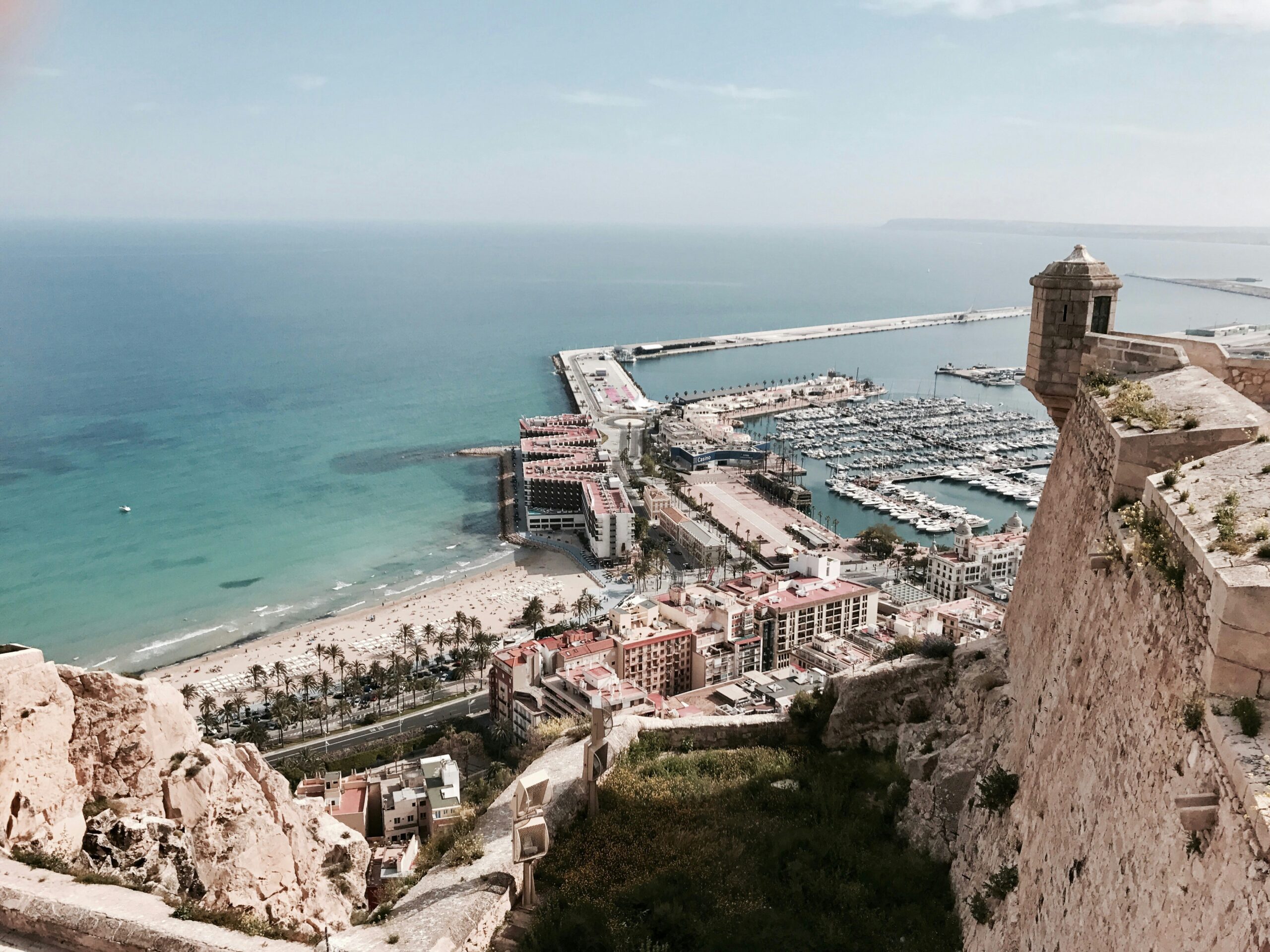
Spain is very regional. Costs, climate, services and lifestyle vary a lot.
Madrid & Barcelona
Best for city life, services, culture and transport, but usually among the most expensive options.
Costa del Sol
Popular with retirees and expats, strong international communities and warm climate, but popular areas can be costly.
Valencia & Alicante
Often seen as a strong balance between cost, lifestyle, climate and services.
Inland Spain
Lower cost and quieter living, but fewer international services and less expat infrastructure.
Balearic Islands
Attractive lifestyle and strong tourism economy, but property and rent can be high.
Canary Islands
Mild year-round climate and popular with international residents, but island logistics matter.
Step 3: Rent or buy a home
Housing is usually the biggest factor in your Spain retirement budget.
- Renting first helps you test an area before committing.
- Buying requires legal checks, taxes and notary steps.
- Community fees can be important in apartments and urbanisations.
- IBI property tax should be included if you own property.
- Check access, parking, heating, cooling and internet quality before signing.
Popular coastal zones, islands and major cities can be much more expensive than inland towns. If you plan to buy, consider using an independent lawyer who is not connected to the seller or estate agent.
Step 4: Open a Spanish bank account
A local bank account can make daily life much easier.
- Useful for rent, utilities, insurance and local payments.
- Often needed for property purchases or long-term contracts.
- Requirements vary between banks.
- Ask about account fees, card fees and international transfer costs.
Many banks ask for ID, NIE, proof of address and sometimes proof of income or tax status. Some banks offer non-resident accounts, while residents may later need to update their account status.
Step 5: Register locally and handle residency
This is where Spain can feel bureaucratic, especially in busy provinces.
- EU citizens staying longer than three months must register as residents.
- Non-EU citizens usually need the right visa before moving long-term.
- The padrón is local town-hall registration and is often needed for services.
- Non-EU residents may need a TIE residence card after arrival.
- Appointment availability varies by region, so plan early.
Common residency routes
EU citizens
EU citizens do not need a visa, but long-term stays require registration and proof that you meet the requirements.
Non-EU retirees
Non-EU retirees often need a visa route before moving, such as a non-lucrative residence route if they will not work in Spain.
Remote workers
Remote workers and self-employed people should check the correct visa, tax and social security position before relocating.
Family members
Family members may need different documentation depending on nationality and relationship to the main applicant.
Step 6: Healthcare setup
Healthcare planning should be done before moving permanently.
- EU pensioners may have specific healthcare routes depending on their home country.
- Private health insurance is often needed for non-EU visa applications.
- Dental care, medicine and private appointments should be included in your budget.
- Check access to clinics and hospitals before choosing a rural area.
Spain has a strong healthcare system, but your access route depends on your residency status, nationality, pension status and personal situation. Some people rely on public healthcare access, some use private insurance and some use a combination.
Step 7: Move your money and pension payments
Currency exchange and international transfers can make a noticeable difference when moving savings, pension income or property funds to Spain.
- Compare exchange rates before transferring large amounts.
- Check how your pension will be paid and taxed.
- Keep enough emergency savings accessible.
- Plan for exchange-rate changes if your income is not in euros.
- Review investment accounts before becoming Spanish tax resident.
Moving furniture and belongings to Spain

Many people moving permanently to Spain bring all or part of their household belongings. Others bring only personal items and buy furniture locally. The best choice depends on volume, value, sentimental importance, housing size, delivery access and total transport cost.
Bring your belongings
This can make sense for personal items, high-quality furniture, tools, art, family items and belongings that are expensive to replace.
Buy locally
This may be cheaper for bulky low-value furniture, especially if you are renting first or unsure how long you will stay.
How an international household move is usually planned
- Estimate the volume of belongings, usually in cubic metres.
- Decide what to sell, store, donate or ship.
- Prepare an inventory list.
- Plan packing, fragile items and insurance.
- Check access at both addresses, including stairs, lifts and parking.
- Choose shared transport or direct transport.
Important documents to prepare before moving to Spain
Exact requirements depend on your nationality and situation, but most people should prepare a clear document folder before moving.
- Valid passport or national ID card.
- NIE paperwork or appointment information.
- Birth or marriage certificates if relevant.
- Pension, income or savings documentation.
- Health insurance documents or healthcare entitlement documents.
- Rental contract, property deed or accommodation proof.
- Inventory list for belongings.
- Vehicle, pet or insurance documents if relevant.
Moving to Spain timeline checklist
A clear timeline reduces stress and makes it easier to avoid expensive last-minute decisions.
3–6 months before moving
- Decide whether the move is temporary or permanent.
- Research regions, climate, healthcare and housing costs.
- Estimate your monthly Spain budget.
- Check visa, residency and registration requirements.
- Decide what to bring, sell, store or donate.
- Compare transport options for belongings.
1–3 months before moving
- Apply for or plan your NIE process.
- Prepare documents for housing, banking, residency and healthcare.
- Book moving help if you are shipping belongings.
- Review insurance and healthcare cover.
- Inform relevant authorities, pension providers, banks and insurers.
- Start packing and create an inventory list.
1–2 weeks before moving
- Confirm pickup and delivery addresses.
- Confirm travel dates, accommodation and access to the property.
- Prepare essential documents in hand luggage.
- Check medication, prescriptions and travel insurance.
- Make sure you have emergency funds accessible.
After arrival in Spain
- Complete local registration if required.
- Set up utilities, mobile, internet and insurance.
- Open or update your Spanish bank account.
- Register for healthcare or confirm private cover.
- Understand when you become Spanish tax resident.
- Update your budget after your first months in Spain.
Before you move – quick checklist
- Research regions and housing costs.
- Check whether you need a visa or residency registration.
- Apply for or plan your NIE process.
- Prepare pension, income, savings and insurance documents.
- Plan healthcare access and private insurance if needed.
- Estimate your monthly budget realistically.
- Decide what belongings to bring and prepare an inventory list.
Common mistakes when moving to Spain
Leaving paperwork too late
NIE, residency and appointment availability can be frustrating. Start earlier than you think.
Underestimating coastal costs
Popular areas can be much more expensive than general Spain cost estimates.
Confusing NIE with residency
A NIE is useful, but it does not automatically make you resident in Spain.
Not planning healthcare properly
Your healthcare route depends on your residency status, nationality and insurance situation.
Taking too much or too little
Moving too much can increase costs, but replacing everything in Spain can also be expensive. Compare both options before deciding.
Ignoring tax residency
A long stay can affect where you are taxed. Review your position before becoming permanently based in Spain.
Estimate your cost before moving
Before making the move, check if your income and savings match your planned lifestyle in Spain. Housing, region, healthcare and inflation can all change the long-term picture.
FAQ – moving to Spain
Do I need a visa to move to Spain?
EU citizens generally do not need a visa to move to Spain, but they must register if they stay longer than three months. Non-EU citizens usually need the correct visa or residence route before moving long-term.
What is a NIE number?
A NIE is a Spanish identification number for foreigners. It is often needed for property, banking, taxes, utilities and official procedures. It is not the same as residency.
Is it better to rent or buy first in Spain?
Many people rent first to test the region before buying. This is especially useful because climate, healthcare access, transport, noise, tourism and local services can vary a lot by area.
How much does it cost to move belongings to Spain?
The cost depends on volume, distance, access, packing help, insurance, season and whether you choose shared transport or direct transport. A small move is very different from a full household move.
Can I bring furniture and personal belongings to Spain?
Yes. Many people bring part or all of their belongings. Within the EU, personal belongings normally do not create the same customs issue as moves from outside the EU, but you should still prepare a clear inventory list and transport documentation.
When do I become tax resident in Spain?
Spending more than 183 days in Spain during a calendar year is a key factor, but tax residency can also depend on your personal and economic centre of interest. Always get professional tax advice before making a permanent move.
Can retirees access healthcare in Spain?
It depends on nationality, pension status, residency route and insurance. Some retirees may have access routes through public healthcare systems, while others need private insurance.
What is the biggest mistake when moving to Spain?
One of the biggest mistakes is treating the move as only a housing decision. A successful move also requires planning paperwork, healthcare, tax residency, budget, belongings and long-term lifestyle fit.
Important note
RetirePlan provides educational planning information only. This guide is not financial advice, tax advice, legal advice, visa advice, healthcare advice or investment advice. Rules and costs can change, and requirements may vary by nationality, region and personal situation.